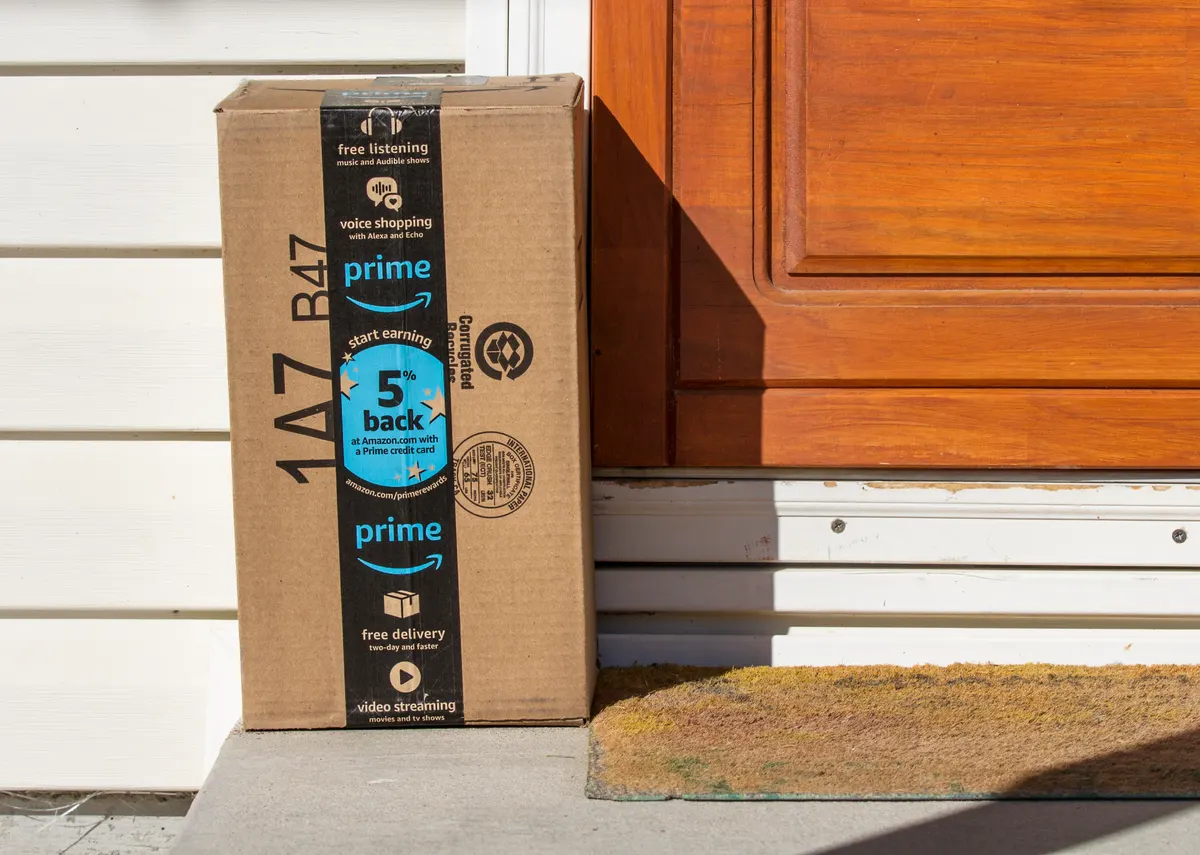
An Amazon brand usually has a strong first purchase and no second relationship. The channel converts strangers, handles the payment and ships the box, and in return it keeps the buyer. You get a settlement report and an ASIN. That is a fine trade for growth and a poor one for a brand, which is why almost every seller in this niche eventually builds a store of their own beside the listings.
We write growth plans for brands that already have sales on Amazon and want the rest of the business to catch up. The plan covers external traffic and how it is tagged so you can see what it produced, the brand content that decides whether a shopper who lands on your detail page buys or keeps scrolling, and the parts of the business that can only exist off channel: a product feed, a Merchant Center account, a checkout you control, an email list and a reorder flow with your customers' names on it.
It also deals with the arithmetic. Referral fees, fulfilment fees by size tier, storage in the fourth quarter and an ad cost all come out of one margin, and a product that funds advertising in March may not in November. We set the ceiling per product from your landed cost and your real fee schedule, not from a blended target that hides which lines are carrying the others.
The decision happens above the fold on a search results page. Main image, title, price, delivery date, review count and star rating settle most of it, and the shopper compares four or five near identical tiles without reading any of them properly. Brand almost never enters into it on a first purchase, because the trust being borrowed belongs to the channel, not to you.
If they click through, the detail page has a second job. The image stack has to answer the questions the title could not: scale, what is in the box, how it is used, what it fits. Bullet points get skimmed for a dealbreaker rather than read for persuasion. Brand content further down the page does its work on the shoppers who are still undecided, and on nobody else.
The questions section and the review photos are where a hesitant buyer goes last. Those are written by other customers and they are the closest thing to an honest product page you have, which is why the objections raised there belong on your own site's product pages too.
After the order, the channel takes over. It can sell that customer the same product again next month and never tell you who they are. Anything you legitimately build to reach them again, a registration page, a guide, a spare part or a refill, is the only part of the relationship you own.