Skip to content

Liquidation store marketing agency

Marketing for liquidation and outlet stores: grading standards, one-off stock in a feed, sell-through speed and buyers who come back for the next drop.

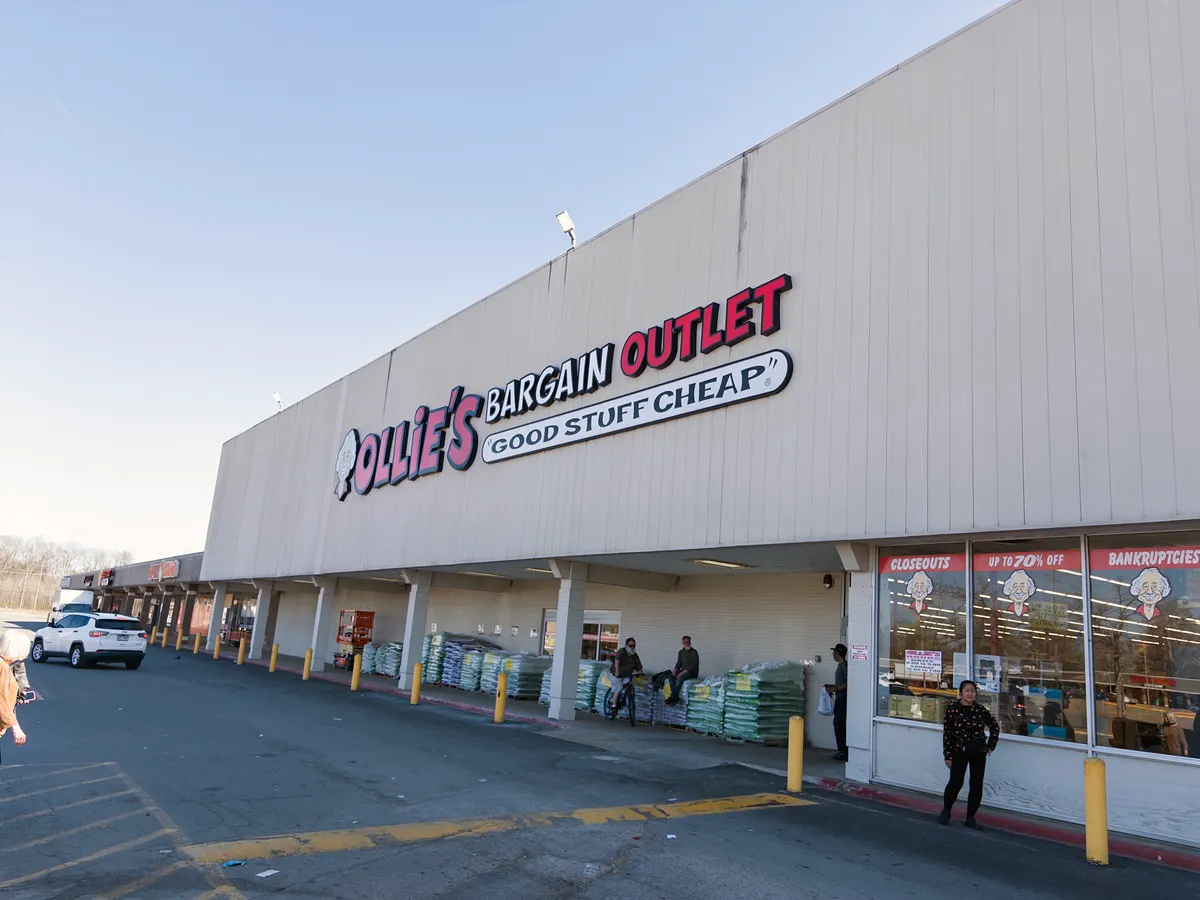
Liquidation store marketing agency: shoppers enter an Ollie’s Bargain Outlet store.

What a bargain hunter is actually weighing up

A liquidation or outlet store sells whatever it managed to buy, which is the opposite of how nearly all ecommerce marketing is designed to work. There is no hero product to build a campaign around, no restock when something sells, and a catalogue that turns over completely every few weeks. Advertising a specific item is often pointless because it will be gone before the campaign has finished learning.

We write growth plans for stores buying returns, shelf pulls, overstock, end of line and open box goods and selling them online. The plan is built around the two things this business actually runs on: how fast stock turns into cash, and how many buyers come back for the next drop rather than for a particular product. Everything else follows from those.

So the marketing looks different. Category and drop pages that survive a completely changed catalogue. A grading standard published plainly, because condition is the only thing a buyer is really uncertain about. Feeds that can cope with single quantity items appearing and disappearing all day. Email and messaging built around the arrival of new stock rather than around a product. And an honest view of which sourcing categories can carry advertising at all, since a pallet bought at a good price can still be a bad thing to advertise.

The shopper here is buying a discount and accepting a risk, and they know it. They are not comparing your product with the same product elsewhere in the usual way, because yours is used, opened, ex display or last season and theirs is not. What they want to know is exactly what they are getting and exactly what happens if it is wrong.

Condition is the whole conversation. Words like refurbished, open box, grade B and customer return mean nothing consistent across the industry, so a buyer who has been caught out before reads your description looking for what you are not saying. Stores that publish a grading standard and describe faults plainly outperform stores that photograph items from the good side, because trust is the scarce commodity in this category.

Urgency is real rather than manufactured. There genuinely is one of the item, and buyers who follow these stores know that hesitation means losing it. That makes drop timing and notification more powerful here than in almost any other niche.

The repeat behaviour is unusual too. Nobody comes back for the same product because it no longer exists. They come back for the hunt, which means your customer is loyal to the store rather than to anything in it. That changes what your email programme is for and what your homepage should do, since both are really answering the question of what arrived since I last looked.
Where liquidation & outlet stores
lose revenue

The four levers, in this niche.

Visitors

Visitors: advertise the category, not the item

A campaign built around a product that sells out on day two wastes most of its budget on learning. So traffic is pointed at pages that survive the churn: category pages, condition pages, brand pages and a new arrivals page that is always populated. Individual items are left to organic and to the feed where they can appear and disappear cheaply. Search demand for outlet, clearance, refurbished, open box and end of line terms is steady, which makes it far better ground than the product names themselves.

Conversion rate

Conversion: describe the fault before they find it

Every hesitation in this category comes from not knowing what condition really means. A published grading standard, photographs of the actual item including the damage, a plain statement of what is missing or untested, and a returns position that does not punish an honest mistake will convert better than a lower price. Counting down stock honestly helps too, because the scarcity is real. What kills conversion is a description that reads as though something is being hidden.

Average order

Order value: combine the parcel, sell the lot

Shipping is a large share of cost on low value goods, so anything that puts more items in one parcel is worth more than it looks. Combined postage, bin pricing, mixed lots and bundles by category all do that job. Selling by the lot to trade buyers and resellers is a separate and often overlooked line of business, since a buyer who takes twenty items at a lower unit price clears space faster than twenty individual orders and costs a fraction of the handling.

Repeat purchases

Repeat purchases: they come back for the hunt

Loyalty here attaches to the store, not the product, and it is stronger than in most categories once it exists. The programme that builds it is a drop rhythm people can rely on, notifications for categories or brands somebody follows, and early access for the buyers who spend most. Because nothing restocks, the ordinary reorder reminder makes no sense. What works instead is telling the right person that something they would want has just arrived, quickly enough that they can still get it.

What we do for
liquidation & outlet stores

Five channels, one plan.

Google Shopping and search

Google Shopping and search ads for clearance stock

Shopping works here provided the feed can keep up. Items with a quantity of one need frequent updates and an immediate move to out of stock when sold, otherwise you pay for clicks on things that no longer exist and disappoint the people who make them.

Campaigns are grouped by category and condition rather than by product, since individual items are too short lived to justify their own structure. That also keeps bidding sensible, because a graded used item and a sealed end of line product behave differently.

Search ads are pointed at the terms that stay constant: outlet, clearance, refurbished, open box, ex display, end of line, plus your categories and brands you regularly carry. Copy should state your grading approach and returns position, because that is the doubt behind the click. Where a manufacturer restricts advertising of their brand by resellers, that is checked before spending, and campaigns are built so a restriction on one brand does not affect the rest of the account.

Meta and TikTok

Meta and TikTok ads for a liquidation store

This is one of the few categories where the sourcing itself is the content. Opening a pallet, sorting a load, showing what was inside and revealing what it is being priced at is genuinely watchable, and it does the marketing job of explaining where your stock comes from at the same time.

Live selling suits the model closely, because single quantity items and an audience competing for them are exactly the conditions a live session is good at. It also clears odd stock that would take weeks to move as individual listings.

Paid social points at category pages, drop announcements and new arrivals rather than at individual items. Retargeting works well because people browse this kind of store repeatedly before buying. The most valuable audience to build is the one that wants to be told when new stock lands, so a large share of social spend is best judged on how many people it adds to that list rather than on the orders it produces on the day.

Merchant Center and the feed

Merchant Center and the feed for graded stock

Condition is the attribute that matters most and it has to be right on every row. New, refurbished and used are treated differently, and a mismatch between the feed and the page is a suppression risk. Refurbished items carry extra requirements about how they are described and by whom they were refurbished, so those are checked before they enter a campaign.

Single quantity stock means the feed must update often and remove sold items quickly. A daily fetch is not enough for a store where a third of the catalogue can turn over in a week.

Price presentation needs care. Comparison against a former price is only allowed where that price was genuinely charged, so a recommended retail figure invented to make a discount look larger is both a policy problem and a trust problem. Where items have no barcode, identifier_exists is set correctly. Images should be photographs of the actual unit rather than the manufacturer's studio shot, since a buyer of graded goods is judging wear and a stock image implies a condition you may not be shipping.

SEO and AI search

SEO and AI search for an outlet store

Product pages come and go, so the organic strategy has to sit on pages that persist. Category pages by product type, by brand and by condition. A page explaining exactly what each of your grades means and what testing is done. A page about where your stock comes from, which answers the suspicion behind most first orders.

Those pages rank for the steady demand in this category, which is people searching for clearance, refurbished or outlet versions of a product type rather than for a specific unit.

A returns and warranty page matters more here than almost anywhere, because the buyer's main worry is what happens if the item fails. State the position plainly, including what as seen means if you use it, and it becomes a conversion asset rather than a legal formality. These are also the pages an assistant will use when someone asks whether buying refurbished from an outlet is sensible. Individual product pages should still carry structured data with condition and availability, so that while they exist they can be found.

Email and SMS

Email and SMS for drops and new arrivals

The list is the business. Because nothing restocks, the entire programme is built on announcing what has arrived, and the value of a subscriber is how reliably they open a message that says new stock is live.

Interest based segmentation makes that work. Someone who follows a brand, a category or a size gets told when something matching arrives rather than receiving every drop. A general new arrivals send goes out on a predictable rhythm so people learn when to look, and tiered early access rewards the buyers who spend most without discounting anything.

Waiting lists are worth building even though stock is unpredictable, because they tell you what to buy next as well as who to tell when it lands. Post purchase, a message explaining the grading of what they bought and how to raise a problem reduces the disputes that eat this category's margin. SMS is unusually effective here for drop notifications, since the stock genuinely goes quickly and a message that arrives an hour later is a message that arrives too late.

First three fixes

What the plan usually starts with for liquidation & outlet stores.

  1. Condition described differently on every listing

    One item says lightly used, the next says grade B, and buyers cannot tell what either means. We write a grading standard with a defined statement per grade covering what was tested, what is missing and what the marks are, apply it across the catalogue and publish it as a page so a hesitant buyer can check what your words mean before ordering.

  2. Campaigns built around items that sell out immediately

    Budget is spent learning on products that no longer exist, and performance looks worse every time a campaign succeeds. We move the spend to category, brand and condition pages plus a permanent new arrivals destination, and let the feed handle individual items where they can appear and disappear without cost.

  3. A feed that updates once a day against stock that turns hourly

    Sold items keep attracting clicks and buyers arrive at empty pages, which wastes budget and damages trust. We increase update frequency, set rules that pull items immediately on sale, and check that condition and price data match the page so listings are not suppressed for a mismatch nobody noticed.

Questions from liquidation & outlet stores

Advertise the things that stay the same. Your categories, the brands you regularly get, the conditions you sell in and the fact that new stock lands on a schedule. Individual items belong in the feed and in organic search where they cost nothing to list and nothing to lose. The permanent destination that earns the most is a new arrivals page, because it is what your returning buyers are actually looking for.

Only where that price was genuinely charged for the item. Comparison pricing rules exist precisely because inflated reference prices were common, and an invented figure risks both your advertising accounts and your credibility with buyers who can check. A better approach is to describe the condition accurately and let the price speak, since the buyers in this category already know what things cost new.

It is worth having as a second line of business. Trade buyers and resellers clear stock quickly, cost far less to serve than the same value in individual orders, and take the awkward items that would otherwise sit for months. The trade off is a lower unit price, so it works best for categories that move slowly for you, for graded stock and for anything where your storage cost is eating the margin faster than the item is selling.

By making the store the thing people come back to rather than a product. A predictable drop rhythm, notifications based on the brands and categories somebody follows, early access for your best buyers, and a homepage that answers what arrived since last time. Loyalty in this category is to the hunt, and it is unusually strong once established because the buyer knows a good find is not available anywhere else.

Clear enough that a buyer can decide before ordering, and consistent with what you actually do. Your legal obligations depend on where you sell and what you are selling, so those are the floor. Above that, describing condition honestly is what keeps returns low, and a policy that accepts an item was misdescribed rather than arguing about it costs less than the reviews and disputes that follow the alternative.

Other marketplace & multi-channel sellers stores we work with

Send your liquidation & outlet store store.

The plan says which lever is leaking and what to fix first, for your store as it is today.

Store, name, email and phone. A person replies from a real inbox. Privacy

Get your free growth plan