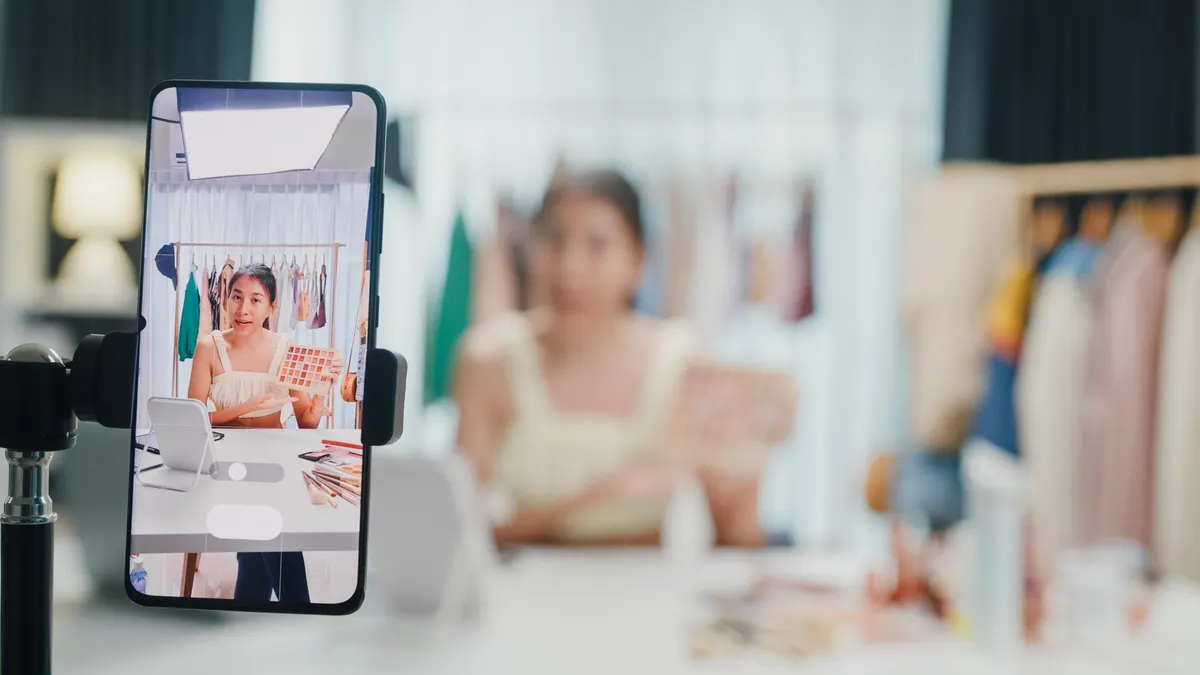
TikTok Shop is a demand channel rather than a search channel. Nobody goes looking for your product; a video finds them, the product card is right there, and the order happens in the same thirty seconds as the discovery. That makes the channel extraordinary at creating first purchases and poor at everything after, because the buyer came for the video and remembers the creator rather than the brand.
We write growth plans for sellers already trading on the channel who want the spike to turn into something durable. The plan covers the creator side properly, since affiliate commission, sample seeding and live selling are the real engine, and it treats commission as a cost of goods rather than a marketing line. It covers the operational metrics that quietly decide whether your products keep getting shown, which in this channel means dispatch times, cancellations and policy violations more than anything else.
Then it covers what has to exist off channel. A store with a feed and a checkout you own. Search rankings for the phrases people type after they have seen the video and want to know whether the product is any good. An email list of the buyers a viral week brought you. And a stock plan, because the most expensive thing that happens to a seller in this niche is going viral with three weeks of inventory and a twelve week lead time.
There is no research phase. Someone is scrolling, a video holds them for a few seconds, the product solves a problem they had not been actively thinking about, and the card at the bottom of the screen makes buying easier than remembering. The whole decision happens inside the content, which is why the video matters more than the product page ever will.
What persuades is demonstration and reaction. The mess before and after, the texture, the sound, the face of someone genuinely surprised. Claims do not travel; visible results do. Price sits in a band where an impulse is comfortable, and anything above that band needs far more proof inside the video itself.
A second kind of buyer follows. They saw the video, did not buy, and later typed the product into a search engine to find out whether it works and whether it is a scam. That shopper is looking for reviews, ingredients, specifications and a real brand behind the product, and they will land on whatever exists. If nothing of yours exists, they land on someone else's opinion.
After the order the relationship belongs to the channel and, emotionally, to the creator. Buyers often cannot name the brand they bought from. Anything that puts your name back in front of them, packaging that is worth filming, an insert that offers a genuine service, a refill they can only get from you, is the difference between a spike and a business.