Skip to content

Home gym equipment marketing agency

Marketing for home gym equipment brands selling racks, plates, dumbbells and cardio machines online. Freight, fit-in-the-room questions and instalments handled.

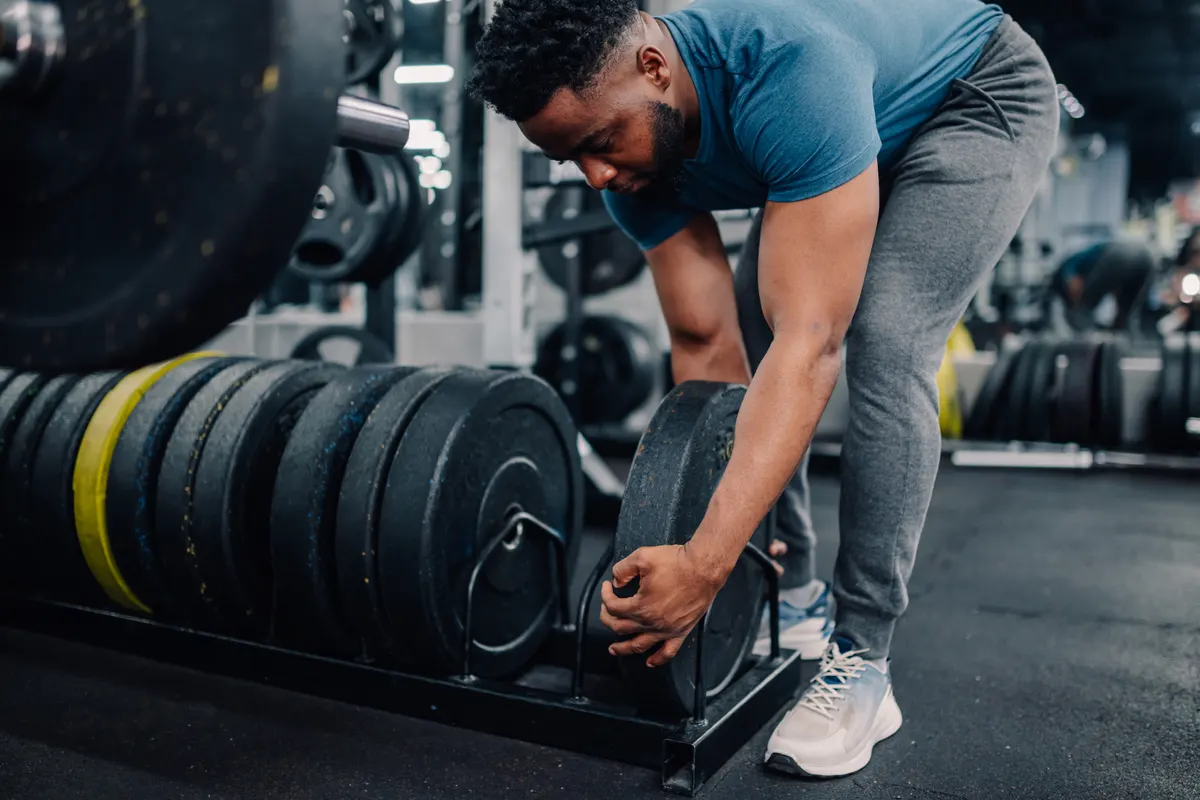
Home gym equipment marketing agency: young athlete preparing weights for his workout in the gym.

How people build a home gym one purchase at a time

Home gym equipment is heavy, expensive and bought for a specific room. The shopper needs to know whether a rack fits under their ceiling, whether the plates they own will fit the bar, how the pallet arrives and who carries it inside, and whether they can pay over time. Any of those unanswered is a lost sale, and in this niche a lost sale is a large one. The revenue leak is rarely traffic. It is a high-ticket product page that talks about steel gauge and says nothing about delivery.

We work with home gym equipment brands that already sell online: rack and rig makers, plate and dumbbell brands, cardio machine sellers, and stores that carry a full garage gym range. The plan starts with the three questions that decide the purchase. Will it fit, in ceiling height, footprint and compatibility with what the shopper already owns. How it ships, by parcel or freight, to the kerb or into the room. How it is paid for, including instalment options at checkout.

Then we fix the weakest lever. In home gym equipment that is usually conversion, because the traffic is expensive and the checkout hesitation on a heavy, costly item is severe.

Nobody buys a home gym in one order. They buy a rack, then a bar and plates, then a bench, then attachments, then more plates. The first purchase decides where all the later ones go, because attachments and plates need to match the rack tube size, hole spacing and sleeve diameter already in the garage. A brand that wins the rack sale and then stays useful wins the next several years of purchases.

Before the first order, the shopper measures the room and asks an AI assistant what rack fits under a low ceiling, whether they need Olympic or standard plates, and how much weight they should start with. They compare tube size, hole spacing, weight capacity and footprint across brands, and they look hard at the shipping line, because freight can add a great deal to the price and curbside delivery means a pallet on the driveway.

Payment matters. Instalment options at checkout change what the shopper is willing to put in the cart, and a store that shows the monthly figure on the product page removes a hesitation.

Timing peaks in January and again in autumn as people move training indoors. Returns are costly for everyone, so the store's job is to make the purchase right the first time, with fit and compatibility answered before checkout.
What we do for
home gym equipment brands

Five channels, one plan.

Google Shopping and search

Shopping and search campaigns with freight and fit built into the landing page

High-ticket equipment attracts expensive clicks, so the campaign structure has to send each click to a page that can close it. We group campaigns by product type and price band, with racks, plates, dumbbells, benches and cardio machines separated so bids reflect their margin and their freight cost.

Search terms that include a dimension, a ceiling height, a plate standard or a weight capacity signal a shopper who has measured the room, and those get priority and landing pages that confirm fit immediately. Generic terms get limited budget.

Delivery cost is shown on the landing page, not discovered at checkout, and instalment pricing is shown beside the full price. Seasonal budgets rise into January and autumn, and we hold spend back in summer when demand drops and clicks are wasted.

Meta and TikTok

Meta and TikTok ads built around the garage, the space and the build

Home gym buyers want to see the equipment in a real garage or spare room, ideally one the size of theirs, not in a showroom. We build creative around real customer spaces, build-out sequences from empty room to finished gym, and short clips that show a rack fitting under a normal ceiling or a delivery arriving on a pallet.

Cold prospecting focuses on people planning a space rather than a broad fitness interest, and instalment pricing appears in the ad where it is allowed. Retargeting follows a viewed rack with the compatible bar, plates and bench, and follows a viewed bench with the rack it pairs with.

January and autumn creative is refreshed early. Customer content, with permission, showing a finished garage gym is the most persuasive ad this niche has.

Merchant Center and the feed

A feed with accurate shipping weight, dimensions and freight settings

Merchant Center checks that the price and delivery cost shown in Shopping match what checkout charges, and heavy goods break that rule constantly. We set shipping weight and dimensions on every product, build shipping groups that separate parcel items from freight items, and make sure the freight cost in the feed matches the freight cost at checkout by region.

Compatibility attributes go into titles and custom labels: rack tube size, hole spacing, plate sleeve diameter, weight capacity, footprint. Colour and capacity variants sit under one item_group_id.

Stock and lead time are kept accurate because a rack that shows as available and then ships in six weeks generates cancellations and account warnings. Delivery time settings reflect freight reality rather than parcel promises.

SEO and AI search

Fit and compatibility answers for what buyers ask an AI assistant

Buyers ask assistants what rack fits under a certain ceiling height, whether their existing plates fit a new bar, how much floor space a rig needs, and how a pallet delivery works. We write pages that answer those directly with the numbers, and that recommend specific products from your range with the reasoning.

Collection pages are organised by the space and the goal: racks for low ceilings, compact home gyms, garage gym starter packages, equipment by training style. Product pages carry the specs buyers compare in a consistent table, with delivery and assembly explained in full sentences.

Support content covers delivery, assembly, floor protection and expansion. It gets cited by assistants, it ranks, and it links to the attachments and plates that expand the gym.

Email and SMS

Flows that follow the build from first rack to full gym

The first purchase in a home gym is the beginning of a multi-year relationship if the brand treats it that way. We build a post-purchase flow that helps with delivery day, assembly and first workouts, then suggests the next piece that fits what the customer owns: bar and plates after the rack, bench after the bar, attachments after the bench.

Compatibility is recorded and used. A customer who owns a particular rack gets attachment suggestions that fit it, not a generic sale.

Seasonal sends follow the training year: January restart, spring outdoor training accessories, autumn move indoors, December gifting for the person who wants to add to their setup. SMS carries delivery updates for freight orders, which customers value, and stock-back alerts on popular plate sets.

First three fixes

What the plan usually starts with for home gym equipment brands.

  1. Put fit, freight and instalments on every product page

    Ceiling height needed, footprint, compatibility with common standards, delivery method and cost by region, and the instalment figure beside the price. These three answers remove the hesitation that abandons high-value carts.

  2. Separate freight from parcel in Merchant Center

    Shipping groups that match checkout, with accurate weights and dimensions, keep the feed approved and stop the mismatch warnings heavy goods create.

  3. Build a compatibility-aware next-purchase flow

    Record what each customer owns and suggest additions that fit it. Bar and plates after a rack, attachments after a bench. This is where repeat revenue in a home gym brand lives.

Questions from home gym equipment brands

Show it honestly and early, and structure around it. Freight items get their own shipping groups so the feed matches checkout, delivery cost appears on the product page, and instalment pricing sits beside the full price. Bundling the starting set into one delivery saves the shopper a second freight charge and raises order value.

By making the purchase right the first time. Fit and compatibility are confirmed on the page, delivery method is explained so nobody is surprised by a pallet, and post-purchase emails cover assembly before frustration sets in. Fewer returns matter more here than in any other sports niche because each one costs freight twice.

In high-ticket categories, yes. Showing a monthly figure beside the full price changes the decision from whether to buy to which configuration to buy. Where checkout supports instalments, we show that figure on product pages and in ads where the platform permits.

Autumn is the second peak as training moves indoors. Between peaks, the profitable work is expansion: attachments, plates and benches sold to existing customers through email, plus content that captures the people measuring their garage months before they buy.

No. Bands, collars and floor tiles are parcel items with small margins and fast decisions. Racks and machines are freight items with long consideration. They need separate campaigns, separate shipping groups and separate landing pages, or the small items drain the budget and the large ones get no attention.

Other sports & outdoor stores we work with

Send your home gym equipment brand store.

The plan says which lever is leaking and what to fix first, for your store as it is today.

Store, name, email and phone. A person replies from a real inbox. Privacy

Get your free growth plan