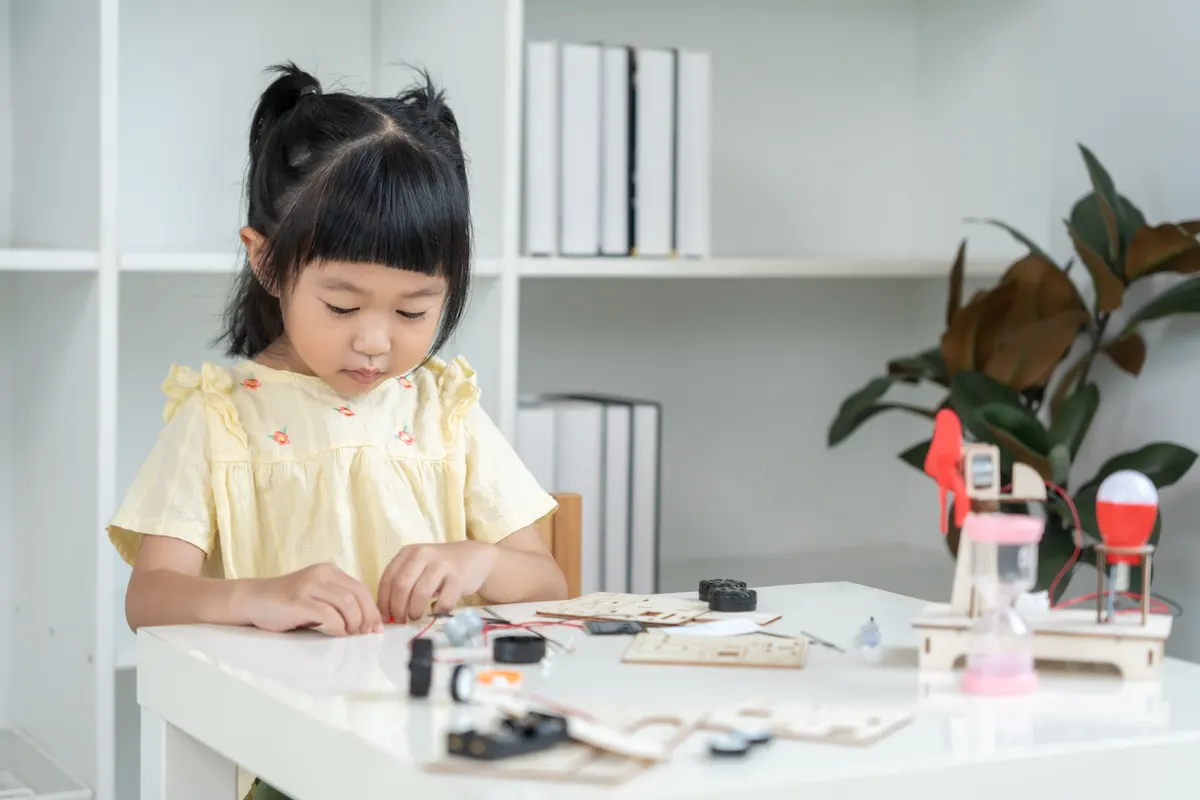
A STEM toy is bought on a promise about the child: that they will learn to code, wire a circuit, grow a crystal, or simply put the tablet down for an hour. The buyer is a parent who wants proof the promise is real, or a grandparent who has been told the child likes science and needs to know which kit fits a seven year old. Both ask the same two questions before anything else: what age is this really for, and does it need a phone.
We write growth plans for STEM toy brands that already sell online. The plan covers feeds that carry the skill and the age grade rather than the product code, product pages that show what the child actually does in the first ten minutes, teacher and school buying that most brands leave to chance, and the two peaks the category has, December and the return to school in late summer, with the birthday demand that runs between them.
It also covers what you can say about learning outcomes in ads without a study behind you, because that is the line STEM brands cross most often.
Parents buying for their own child know the child's stage and shop across the age grade. A kit marked 8+ gets bought for a confident six year old, and a kit marked 6+ gets bought for an eight year old who has never built anything, so the page has to describe the skill required, not just the age printed on the box. They want to know whether the kit needs an app, which devices the app runs on, and what the child is left with once the last project is finished. Reviews are read for one phrase above all: lost interest after a week.
Gift buyers arrive with an age, an interest word like science or robots, and a budget. They buy the kit that explains itself in one image and one sentence, and they need it to arrive before the party.
Teachers, tutors and home educators are the third buyer. They want class quantities, a lesson plan they can use as written, an invoice rather than a card payment, and delivery timed to the start of a term. They buy in late summer and again in January.
Demand peaks in December and in the weeks before school returns, with a smaller rise around science fair season in late winter. Birthdays keep a steady age-specific demand the rest of the year. The screen question splits the category in two: screen-free kits and app-connected kits are searched for differently and should never share a listing or a campaign.