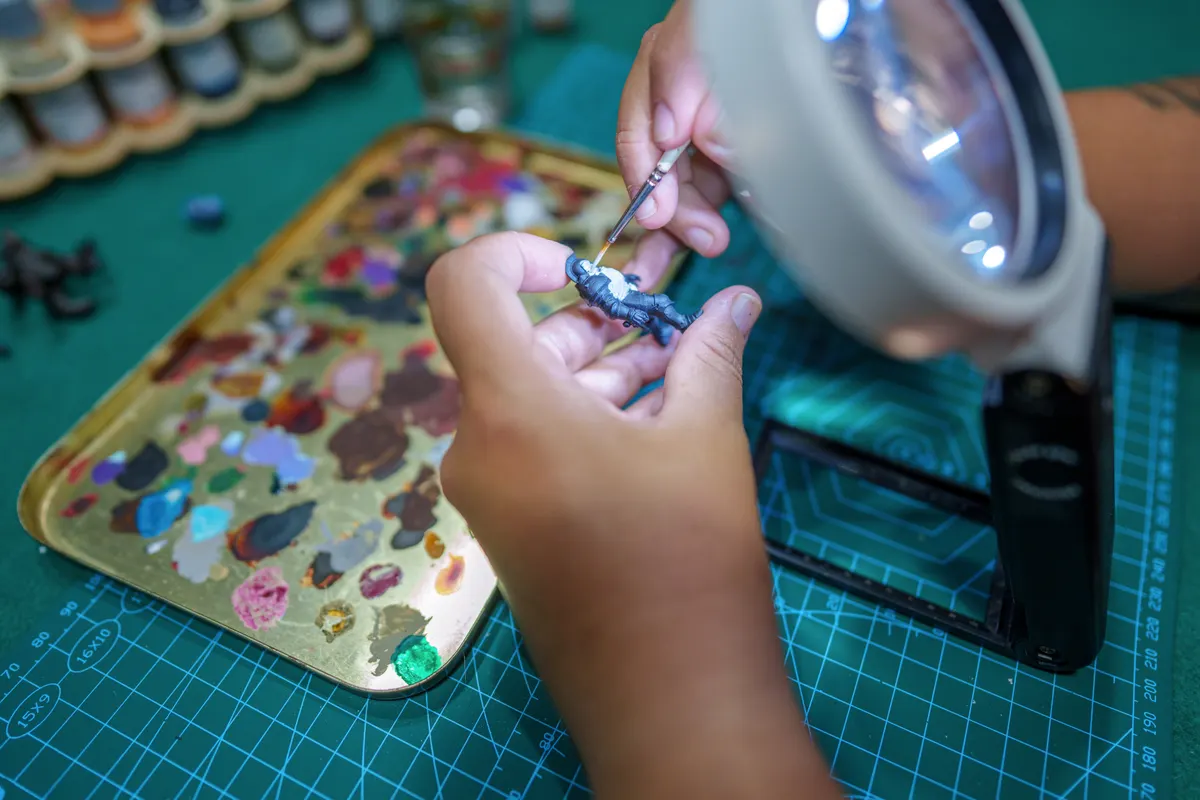
A miniature is sold twice. Once as a model somebody wants to own, and then again as everything needed to finish it: primer, paints, brushes, glue, a base, and the second attempt after the first one went badly. That second sale is where the margin lives, and stores that treat paint and hobby supplies as an afterthought leave most of the business on the table.
Buyers here are precise. They know the scale they collect, whether they want resin, plastic or metal, whether the model is supplied assembled or on a sprue, and whether it is primed. Getting any of those wrong on a listing produces a return and a forum post.
We write growth plans for miniature retailers and makers already selling online. The plan covers feeds carrying scale, material and assembly state, aerosol and shipping restrictions handled properly, paint range merchandising with colour shown honestly, preorder waves that do not oversell, and the reorder cycle that runs on consumables rather than models.
The first thing a buyer checks is scale, because a model that does not match what is already on the shelf is useless to them. Then the cast: plastic on a sprue, resin that needs cleaning and pinning, or metal that needs a heavier base. Then assembly state, and whether the model arrives primed. A listing that shows a beautifully painted studio model without saying supplied unassembled and unpainted is the single most reliable way to generate a disappointed return in this category.
After that comes the hobby side of the order. Painters know which paint range they use and will not mix systems casually, so a store that stocks a range in depth becomes their default for everything. Colour is difficult to sell on a screen, since a pot photographed under studio lighting is not the colour that comes out of it, so swatch photography painted on an actual model does more than any product shot.
Demand is steady rather than seasonal, and it leans indoors, so autumn and winter are stronger than midsummer. Preorder waves and new releases create their own spikes on dates you or a game publisher choose. Painting projects, army building and events set the reorder rhythm, and a customer part way through a project is the most valuable one you have.