Skip to content

Classic car part marketing agency

Marketing for classic car part stores: correctness and interchange spelled out, reproduction quality graded honestly, and restoration stages that repeat.

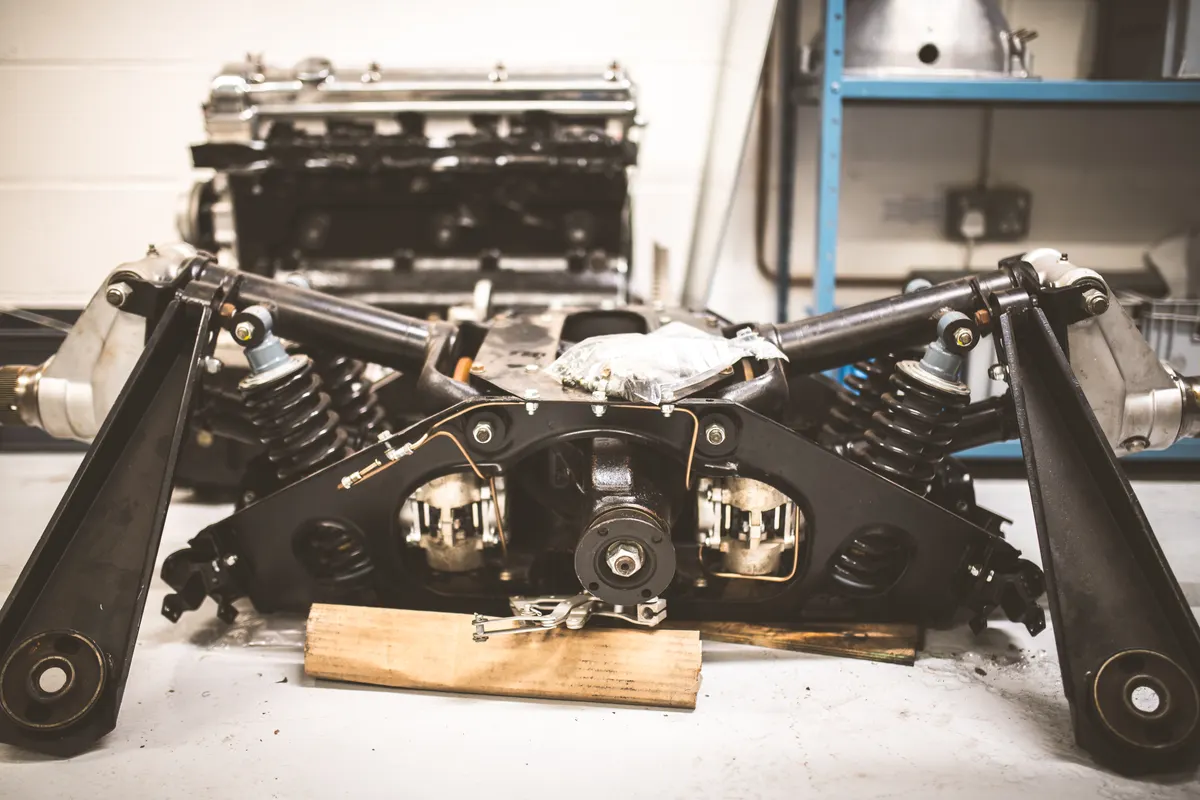
Classic car part marketing agency: vintage automotive suspension system and engine assembly in workshop setting.

How restorers buy classic parts

A classic car part store sells to a project, not to a car that needs fixing today. The buyer is somewhere inside a restoration that may run for years, and their question is not only does it fit, it is is it correct. Correct for the model year, correct for the trim, correct enough for a club judging sheet, or simply good enough for a car that gets driven on weekends.

We work with classic part stores that already sell online: reproduction panels and trim, new old stock, rebuilt and remanufactured components, gaskets and rubber, interior kits, electrical and glass, usually organised by marque and model year rather than by a modern fitment database. The plan starts by shopping your store the way someone stripping a car over the winter does, with a parts list on paper and a printed catalogue open beside the laptop.

Conversion and order value both depend on the same thing: whether the page says what the part actually is.

A restoration is bought in stages, and the stages are long. Teardown and assessment, bodywork and panels, mechanical rebuild, paint, then trim, glass and interior at the end, with months in between and a budget that gets reassessed constantly. A store that knows which stage a customer is in can be useful to them. One that sends the same catalogue to everybody cannot.

The defining question is correctness. There are usually three answers for any given part: new old stock, which is original and scarce, a reproduction, which varies enormously in accuracy, and a used or rebuilt original. A restorer working to a judging standard wants the first or an accurate reproduction and will pay for it. Someone building a driver wants the part that works and looks right from a few feet away. The listing has to say which one it is selling.

Identification runs on part numbers, casting numbers and date codes rather than on a modern lookup, and interchange matters because one part often serves several years or several models. Buyers arrive with a number from the old part or from a manual and search for it directly.

Many of these customers still order by phone from a printed catalogue and expect to speak to someone who knows the car.
Where classic car part stores
lose revenue

The four levers, in this niche.

Visitors

Part numbers are the search nobody bothers to win

Part numbers and casting numbers produce the highest intent searches you will ever receive, and hardly anyone optimises for them because they look untidy in a title. A page carrying the number, the interchange list and the years it covers wins that search outright. Model and year pages catch the browsing restorer, and technique content, how an assembly comes apart, what always rots on one model, reaches the owner before the parts list even exists.

Conversion rate

Grade the part and photograph the real thing

Say whether the item is new old stock, a reproduction with its quality named, a used original, or rebuilt with a core charge. Photograph the actual part rather than reusing a catalogue drawing, show the casting number where one exists, and state which years and models it covers. Every restorer has been caught out by a vague listing that arrived as a poor reproduction, so a specific page converts faster than a lower price, and it comes back far less often.

Average order

Sell the assembly, because one missing clip stops the job

A door needs its seals, clips, mouldings, handle gaskets and the correct fasteners, and the person fitting it has the car in pieces. Grouping parts by assembly and by restoration stage raises the order and saves a second shipment, which matters more here than in most niches because these parts often ship slowly and some of them are genuinely hard to find a second time.

Repeat purchases

One project is a relationship measured in years

The customer who bought suspension bushings in January is buying interior trim next winter, and many of them have a second project or a friend starting one. Record the car, the year and the stage reached, then send what the next stage needs instead of a general promotion. Show season creates its own orders too, because cars coming out for judging need the detail parts that got skipped when the budget was going on bodywork.

What we do for
classic car part stores

Five channels, one plan.

Google Shopping and search

Model level campaigns, and grade in the custom labels

Shopping campaigns for classic parts work at the model level. A store covering several marques should run them apart, because the buyers do not overlap at all and the seasonality can differ. Inside each, product groups follow the restoration stage and the price band, since window channel rubber and a rebuilt mechanical component need very different bids.

Titles carry the part name, the model and the year range, and where a part number is genuinely searched, the number itself. Custom labels mark the grade, new old stock, reproduction or rebuilt, because those convert differently and should not share a bid.

Much of this catalogue has thin search volume, and that is fine. We fund the parts people actually search for and let the rest earn organic traffic and free listings. Negatives remove cars for sale, restoration services, valuations, insurance quotes and the large volume of enthusiast browsing that will never order a part.

Meta and TikTok

Community first, and get the details right in your own content

Social in this niche is community rather than direct response. Restoration progress, a barn find coming apart, a hard-to-find part being tracked down, the first start after a rebuild: those get shared widely in marque groups and clubs where a recommendation carries real weight.

Creative should show the part in context, on a car people recognise, with the correctness detail visible. Restorers notice a wrong badge or an incorrect finish immediately, so getting those details right in your own content is itself a demonstration of what you sell.

Paid social suits retargeting and defined interest audiences rather than broad prospecting against low volume parts. Club pages, swap meets and show weekends are worth planning around, because those events set the calendar for the whole community and people come home with a list. This audience reads carefully, so longer copy is welcome rather than a liability.

Merchant Center and the feed

Stable part numbers, honest grades, and awkward freight

Classic parts stretch a feed because identifiers are inconsistent. Reproduction parts often have no GTIN, so brand and MPN carry the listing, and identifier_exists should be false only where an identifier genuinely does not exist. Where you use your own part numbers, keep them stable, because customers order by them for years and quote them on the phone.

Titles should carry the part, the model, the years and the grade where it affects the price. A reproduction and a new old stock item at very different prices look like an error unless the listing explains itself.

Shipping needs classes for the awkward things this category is full of. Sheet metal panels are oversized, glass is fragile and often restricted by carrier, chrome bumpers arrive damaged when they are underpacked, and rebuilt parts with core charges need the core process explained on the page and reflected in the advertised price so the feed and the checkout agree.

SEO and AI search

Numbers, interchange and know-how nobody else publishes

The organic opportunity is identification, interchange and know-how. Restorers search a part number, a casting number, what fits what, and how a specific assembly comes apart. Those queries have exact answers and almost no competition, which is unusual and worth using properly.

We build number pages where the catalogue supports them, model and year pages organised the way a restorer thinks, and interchange notes that say which other years and models a part serves. Assistants are asked these questions constantly and answer from whichever page states the facts clearly.

Restoration guides earn links from clubs and forums that no advertising budget could buy. Write them for the car, with the part numbers included, rather than for a search engine. Keep older pages alive instead of pruning them, because a page about a car few people own is often the only page on the internet answering that question properly.

Email and SMS

A calendar that runs opposite to most stores

Email works here because the project is long and the customer stays the same person for years. Capture the car, the year and the restoration stage at the first order, then send what the next stage needs, spaced to the pace people actually work at rather than weekly.

Winter is the working season for most restorers and summer is the driving season, so this calendar runs close to the reverse of most stores. Plan the heavy sends for the months when the car is apart in a garage, and keep the lighter ones, detail parts, care products, show preparation, for the season when it is on the road.

New old stock arrivals and hard-to-find restocks deserve their own notices, because scarcity here is real and customers want to hear about it. Keep a segment for people who order by phone and prefer a printed catalogue, and let them request one, since they are often the best customers in the file.

First three fixes

What the plan usually starts with for classic car part stores.

  1. Grade every listing and say it in the first line

    New old stock, reproduction with its quality named, used original or rebuilt with a core charge. Restorers will pay more for the right grade and will return the wrong one, so the grade belongs above the price rather than in a specification table.

  2. Build pages for the part numbers people search

    Number pages, with interchange and the years covered, win searches with one right answer and almost no competition. They also give an AI assistant something accurate to quote when someone asks what a number crosses to.

  3. Group parts by assembly, not just by category

    Sell the door as seals, clips, mouldings and fasteners together. It raises the order, saves a second shipment on slow moving stock, and prevents the customer stopping work because one small part was missed.

Questions from classic car part stores

The catalogue structure the community already uses: marque, model, year range and body style, with part numbers, casting numbers and interchange notes attached. That information usually exists in your own catalogue, in manuals and in the knowledge of your staff, and the job is getting it onto pages in text. It is more work than importing a data file, and it is also why these pages are so hard for anyone else to copy once they are built.

Yes, because the research now happens online even when the order does not. People look up a number, check what a part looks like, then ring to confirm. Make the phone number obvious, keep the pages readable and specific, let people request the printed catalogue online, and record which customers prefer to call. Online work then feeds the phone line rather than competing with it, and you can finally see where the calls come from.

By grading openly and letting the customer choose. Say what the part is, where it is made if that matters to the buyer, how close it is to original, and what a judge would notice. Some customers want the accurate expensive version and some want the affordable one that will be painted anyway. Both are legitimate purchases. What loses customers permanently is a vague listing that quietly delivers the cheaper option.

In places, yes, but it should not carry the store. Fund the parts with real search demand and the models you stock deeply, and let the long tail live on organic pages and free listings. Low volume searches are also low competition, so patient content work usually returns more here than bidding does. The plan says which parts are worth paying for rather than assuming the whole catalogue should be advertised.

With its own shipping group, honest rates and a page that explains packing and what to do if a panel arrives damaged. Glass often has carrier restrictions and needs the delivery inspection spelled out before the order. We keep those items in separate campaigns so their slower conversion and higher costs do not distort the small parts, and we build the damage claim process into the post-purchase emails rather than leaving customers to discover it.

Other automotive & marine stores we work with

Send your classic car part store store.

The plan says which lever is leaking and what to fix first, for your store as it is today.

Store, name, email and phone. A person replies from a real inbox. Privacy

Get your free growth plan