Skip to content

Aftermarket car part marketing agency

Marketing for aftermarket car part stores: year, make and model fitment on every page, MPN and OEM cross-reference in the feed, and reorders on wear parts.

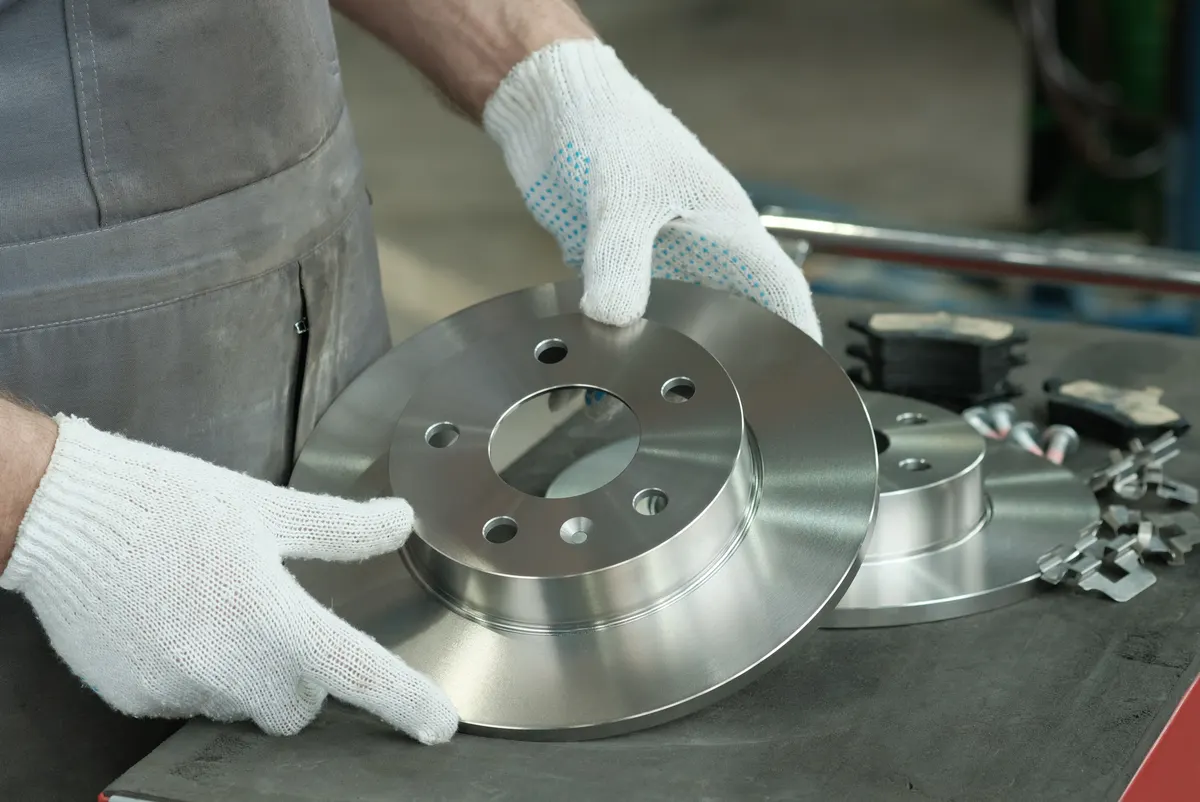
Aftermarket car part marketing agency: an auto mechanic checks the suspension elements of the car before installation.

How drivers buy aftermarket car parts online

An aftermarket car part store loses most of its revenue at the moment a shopper cannot tell whether the part fits. They arrived with a year, make and model, or with the OEM number from the old part, and the page shows a product name, a photo and a price. If nothing on that page says yes to their vehicle, they leave, and if they guess and the part is wrong, it comes back with a return label and a bad review.

We work with aftermarket part stores that already sell online: stores stocking brakes, suspension, filters, ignition, cooling, lighting and body parts across many makes, often with a catalogue fed by warehouse distributors and a fitment database behind it. The plan starts by using your store the way a shopper with a 2013 Accord and a grinding noise does. Does the vehicle selector remember the car? Does the pad page show the OEM cross-reference? Does the rotor page show the real shipping cost for two heavy discs before checkout?

From there we fix the weakest of the four levers first. In this niche it is usually conversion on fitment, or order value, because the buyer needed the rotors with the pads anyway and the page never said so.

The purchase starts with a symptom, a warning light or a scheduled job, and the driver works backwards to a part. They search 'brake pads 2016 Camry', or they type the OEM number stamped on the part they just removed, or they ask an AI assistant which pads are OE-equivalent for their car and then search for the answer it gave.

They arrive knowing the vehicle and roughly the part. What they do not know is whether your listing is the one that fits their trim and engine, whether the economy line is good enough or the premium line is worth it, and whether it ships today. Many are comparing against the dealer price and against a couple of other online stores at the same time, using the part number as the common key.

Returns shape everything. A wrong-fit part costs the store outbound shipping, return shipping, restocking and the margin on the sale that should have happened. Drivers know this too, so a page that shows fitment, cross-reference and a clear return rule converts where a vague page does not.

Finally, wear parts repeat by mileage. Pads, rotors, filters, wipers, plugs and batteries come back on a schedule the store can estimate from the purchase date and the vehicle, which makes the second order the cheapest one to win.
Where aftermarket car part stores
lose revenue

The four levers, in this niche.

Visitors

Part number searches are the cheapest traffic you are not catching

A driver typing an OEM or aftermarket part number has finished researching and wants a price and a ship date. Those searches are specific, low competition and high intent. Product pages that carry the part number, the cross-reference numbers and the fitment range in crawlable text pick up that traffic without an ad. Shopping ads then cover the vehicle-plus-part searches where the volume lives.

Conversion rate

The vehicle selector decides whether the cart survives

A shopper who selects year, make, model and engine once, and then sees every page filtered to that vehicle, stops worrying about fit. A shopper who has to reread a fitment list on every page keeps a second tab open. We put the selector before the search box, make it remember the vehicle across sessions, and show a plain yes or no on every product.

Average order

Pads with rotors, filter with oil, plugs with coils

A brake job needs pads and rotors and often a hardware kit and fluid. The shopper who buys only pads from you buys the rotors elsewhere. Job-based bundles on the product page and in the cart raise order value without a discount, because the driver was going to buy those parts anyway.

Repeat purchases

Wear parts come back by mileage, not by calendar

Every purchase tells you the vehicle and the part. From that you can estimate when the next filter, the next set of wipers or the next battery is due, and send the reminder before the driver searches again. The store that reminds first wins the reorder from a customer it already paid to acquire.

What we do for
aftermarket car part stores

Five channels, one plan.

Google Shopping and search

Shopping campaigns split by part category and by how specific the search is

Shopping campaigns for aftermarket parts are structured by part category and by how specific the search is. A query with a year, model and part name comes from a driver who knows what they need, and it gets a product group with fitment in the title and a landing page filtered to that vehicle. A query for a part name alone gets a lower bid and a collection page with the vehicle selector at the top.

We split by margin as well. Distributor-fed catalogues carry thousands of SKUs at thin margins beside a few hundred that make money, and custom labels keep budget on the second group. Remanufactured parts with core charges get their own campaign, because the page has to show the core charge clearly enough that the advertised price and the charged price match.

Negative keywords are reviewed weekly. Searches for used parts, salvage yards, repair shops, how-to videos and torque specs cost money and do not buy anything. Brand campaigns cover the part brands you are authorised to sell, within whatever rules those brands set.

Meta and TikTok

Retargeting the job, and reaching the model-specific repair communities

Cold social ads sell few aftermarket parts, because nobody buys a control arm from a feed scroll. Social works in this niche as retargeting and as reach into repair communities. Retargeting follows the driver from the fitment page they viewed to the rest of the job: the shopper who looked at front pads sees the rotors and the hardware kit, filtered to their vehicle.

Creative that earns attention shows the job, not the part. Short clips of a pad swap, a filter change or a headlight replacement on a common model perform because they answer the question the driver had before they searched. We build those around your best-selling parts on your best-selling vehicles and let the product appear as the thing the job needs.

Meta groups organised around a single model are where drivers ask which brand of part to buy. We do not spam them. The store earns a presence there through the owners who already bought and are happy to say so, and we time paid pushes to the seasons when wear parts get replaced: before winter, after winter, before a long summer drive.

Merchant Center and the feed

Brand, MPN and fitment in the title, and shipping tables that match the cart

Aftermarket parts test Merchant Center in two ways. Many parts have no GTIN, so the feed must carry brand and MPN and set identifier_exists to false only when a part truly has no identifier. A feed that sets it to false on parts that do have a GTIN, or that puts the store name in the brand field, gets disapproved or served poorly.

Merchant Center's standard attributes have no year, make and model fields, so fitment has to be carried in the title and description. We write titles as part name, brand, then fitment range, and we put the OEM cross-reference numbers in the description where the matching engine can read them. Custom labels carry margin tier, whether the part is a wear item, and whether it ships hazmat or heavy.

Shipping settings need their own tables. A brake rotor, a battery and a wiper blade cannot share one rate, and a feed that quotes a flat rate the checkout does not honour collects price mismatch warnings. Batteries and fluids get ground-only shipping in the feed and in the store so the promise matches.

SEO and AI search

Part number pages, fitment in plain sentences, and answers an assistant can quote

The questions drivers ask an AI assistant are the questions your product pages should answer in plain sentences: does this fit my 2015 Escape with the 2.0 litre engine, what is the OEM number for this part, is this line OE-equivalent, what else do I need for the job. Pages that state the fitment range, the cross-reference numbers and the job contents in crawlable text get cited and clicked. Pages that hide fitment behind a widget do not.

We build part-by-vehicle pages only where the catalogue supports them with real content: fitment notes, install notes, what the job needs. Thin pages generated for every combination get ignored. Part number pages are worth building, because a search for an exact number has one right answer and a store that ranks for it gets the order.

Structured data carries brand, mpn and the identifiers Google already checks in the feed, so the organic listing and the Shopping listing agree. Collection pages are organised by the way drivers filter: by vehicle first, then by system, then by brand tier.

Email and SMS

Reminders keyed to the saved vehicle and the maintenance calendar

Email in an aftermarket store runs on what the customer bought and what they drive. A pad purchase in March starts a sequence: install tips the same week, a check-in a month later, and a rotor and fluid reminder timed to the next likely service. A battery purchase starts a longer clock with a reminder before the winter that would test it.

The saved vehicle is the asset. A customer who set year, make and model once gets every send filtered to that car, so a wiper promotion shows the sizes that fit and a filter reminder shows the right part number. Abandoned carts in this niche are often fitment doubt, so the recovery email restates the fitment and the return rule rather than offering a discount.

SMS is used for back-in-stock on parts the driver is waiting for and for delivery updates on heavy items that need someone home. Seasonal sends follow the maintenance calendar: pre-winter battery and wiper checks, spring brake and suspension inspections after pothole season, cooling system parts ahead of summer.

First three fixes

What the plan usually starts with for aftermarket car part stores.

  1. Put the vehicle selector first and make it remember the car

    Year, make, model and engine selected once, stored in the session and the account, applied to search, collections and product pages. Every product then shows a plain fits or does not fit for that vehicle. It is the single largest conversion fix in the niche.

  2. Show the OEM cross-reference on every part page

    Drivers search by the number on the old part. A visible cross-reference list catches that search, confirms the match for the shopper who arrived by vehicle, and gives an AI assistant something to quote when asked which aftermarket part replaces a given OEM number.

  3. Price heavy and hazmat parts with their own shipping tables

    Rotors, batteries, fluids and body panels get real rates by weight and destination, shown on the product page. Wiper blades keep the parcel rate. The feed uses the same tables, so Merchant Center stops flagging mismatches and shoppers stop abandoning at the shipping step.

Questions from aftermarket car part stores

We do not create fitment data. Most stores in this niche license it in the ACES and PIES formats from their suppliers or a data provider, and we work with what you have. Our job is to get it onto the page in a form a shopper and an AI assistant can read, into the feed titles and descriptions, and into the vehicle selector. If your data has gaps on your best sellers, the plan says so and puts fixing those first.

Yes, but not evenly. Most of those SKUs will never be searched, and a campaign that treats them equally spends on the long tail while the money-makers starve. We segment with custom labels by margin, sales history and whether the part is a wear item, fund the segments that pay, and let the rest serve on organic and free listings. The distributor feed also changes prices and stock often, so the feed refresh schedule has to match or you collect disapprovals.

Three things, in order. A vehicle selector that persists and filters every page. A plain fitment statement on the product page with the engine and trim exceptions spelled out. And a cross-reference list so a shopper who has the old part number can confirm it. The same doubt drives returns and abandoned carts, so fixing it moves both.

The parts where you have margin, stock and fitment data all at once. Usually that is a short list of wear items on high-volume vehicles: pads, rotors, filters, ignition and lighting for the models that are common on the road. We start there, prove the numbers, then expand into hard parts and body parts where shipping cost makes conversion harder.

They ask whether a specific part fits a specific vehicle, what an OEM number cross-references to, whether a cheaper line is good enough, and what else the job needs. Assistants pull from pages that state those things in full sentences. We write product and support pages so the fitment range, cross-reference and job contents are plain text an assistant can quote, and we keep the same facts in the feed so the answers agree.

Other automotive & marine stores we work with

Send your aftermarket car part store store.

The plan says which lever is leaking and what to fix first, for your store as it is today.

Store, name, email and phone. A person replies from a real inbox. Privacy

Get your free growth plan