Skip to content

Educational toy marketing agency

Marketing for educational toy brands: age bands and skills in the feed, small parts stated in text, gift-season planning and expansion-set order value.

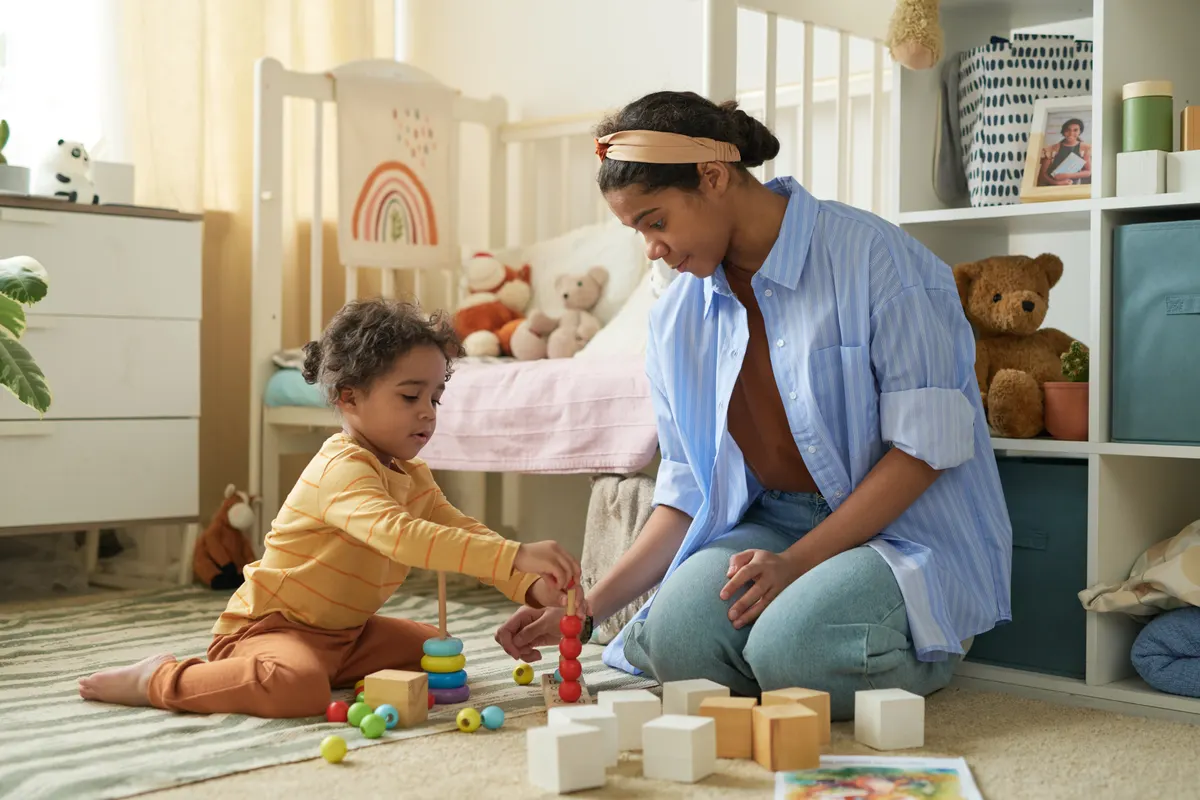
Educational toy marketing agency: mother and Child Engaging in Toy Block Playtime at Home.

How a toy that has to teach something gets chosen

An educational toy is bought by an adult for a child who did not ask for it, so the age grade and the skill are the two things a page has to get right. A parent shopping for an eighteen month old wants to know what the toy does, whether the pieces are too small for a household with a younger sibling, and whether it will still hold attention in six months. A grandparent buying in December wants the same answers in half the time.

We write growth plans for educational toy brands that already sell online. The plan covers Shopping feeds that carry the age band and the skill in the title, product pages that state the grading and the small parts note in plain text, skill-led collections that match how adults and AI assistants describe what they want, and gift merchandising that holds up through a fourth-quarter rush.

It also covers the ad-policy reality of selling products aimed at children, where personalised advertising is restricted and every line of copy is written for the adult paying.

The educational toy buyer starts with an age and a gap. A child is eighteen months and not stacking, or four and starting letters, or seven and asking how things work, and the adult goes looking for a toy that meets that. The search is a description rather than a brand: a fine motor toy for a two year old, a first coding toy, a magnetic tile set with wheels.

Then come the checks. The age grade on the box and whether it is a guide or a warning. Whether the set contains small parts, which decides everything in a house with a crawling sibling. What it is made of, how loud it is, whether it needs batteries, how much of it is a screen. Adults also want a sense of how long it lasts, because a toy solved in a week is a bad purchase however clever it is.

Gift buying is the other half of the category. Grandparents, aunts and party guests buy against a birthday or a holiday with less information than a parent has: they know the age and little else. They want a shortlist by age, a gift receipt and delivery before a date they cannot move.

The repeat is the child moving up an age band roughly once a year, plus expansion sets for a system the family already owns.
Where educational toy brands
lose revenue

The four levers, in this niche.

Visitors

Visitors: rank for the age band and the skill

Educational toy searches are written as descriptions, not product names: fine motor toys for two year olds, first coding toy for a five year old, magnetic tiles with wheels. Feed titles that carry the age band and the skill show up for those; titles built from an internal range name do not. On social the buyer is a parent between gifts and a grandparent with a date in mind, and the creative for each is different. We map your range to the age and skill words adults actually type, then rebuild feed titles and collections around them.

Conversion rate

Conversion: state the grading, the pieces and the first session

An educational toy page converts when it gives the age grading and the reason for it, notes small parts in text rather than in an icon, lists what is in the box with a piece count, and says what the child actually does in the first ten minutes. Video of a child of the stated age playing beats studio photography every time. Gift buyers need a gift receipt, gift wrap and the delivery cutoff date on the page itself, not hidden in the footer.

Average order

Order value: sell the system, not the set

A toy order grows when the store offers the expansion pack, the storage bag, the second deck of cards and the book that goes with the set. Age-banded gift bundles let a grandparent buy one thing and be finished, which is what that buyer wants. A free delivery threshold set just above your common single-toy price moves more baskets here than a discount, because the buyer has already decided to spend something and is choosing what.

Repeat purchases

Repeat purchases: follow the birthday and the next band

Toy customers come back at the child's birthday and when the child ages out of a band. Capture the child's age as a gift-for field at checkout or ask after the first order, then send the next band a few weeks before the birthday and the expansion set while the current toy is still in rotation. Households with two children buy across two bands at once, so ask how many children there are rather than assuming one and sending the wrong shortlist.

What we do for
educational toy brands

Five channels, one plan.

Google Shopping and search

Google Shopping and search ads for educational toys

Shopping titles for educational toys should read like the description an adult typed: Wooden Shape Sorter, Fine Motor Skills, 18 Months and Up, 12 Pieces. The age band, the skill and the piece count belong in the title, and the small parts note belongs in product_detail. We split campaigns by age band rather than by product type, because someone shopping for a two year old will not buy a set graded for six and up whatever the click costs.

Search ads take the questions a tile cannot answer: what to buy a three year old who likes building, which sets suit a child who is not talking much yet, what belongs in a first science kit. The copy answers and lands on a skill collection rather than the home page. Budgets in this category are shaped by the fourth quarter, so we build feed quality and audiences through the quiet months and spend into a rush that already knows the brand.

Meta and TikTok

Meta and TikTok ads for educational toys

Educational toy creative works when a real child of the stated age plays with the toy and gets something from it, including the part where the tower falls over. Unboxing by a parent, a slow pan across the pieces and a plain statement of what the child does with them outperform animation. On TikTok, early years educators explaining what a toy is for produce ads that convert gift buyers as well as parents.

Targeting is restricted for products aimed at children, and platforms limit audience building around a child's age. We work from your own signals instead: skill collection views, age filter use, past buyers and past gift purchasers. Copy addresses the adult, describes the toy and names the age it is graded for, and never speaks to the child. Retargeting moves from the play video to the age collection to a gift bundle before the delivery cutoff.

Merchant Center and the feed

Merchant Center and the feed for educational toys

Educational toys sit under Google's Toys & Games category, with separate subcategories for building sets, puzzles and learning toys that change how the title is read. GTINs are required where the manufacturer has assigned them. age_group takes toddler or kids depending on the grading, and the age band should also appear in the title because shoppers scan for it visually.

Colour and theme variants share an item_group_id. product_detail carries the piece count, the material, the battery requirement and the small parts note. product_highlight carries the skills the set works on. Bundles and multi-set packs use the is_bundle and multipack attributes so a pack of four is not read as one item. Images show the pieces laid out as the main image with a child at play as an additional image, with no text overlays. Personalised advertising restrictions for products aimed at children shape which remarketing lists you can build and apply.

SEO and AI search

SEO and AI search for educational toys

Adults ask assistants what to buy a child of a given age, which toys help with a named skill, whether a set has small parts and how many pieces come in the box. The brand that publishes an age band page and a skill page answering each of those in plain text is the one the assistant quotes. We build a page per age band with a shortlist and the reasoning behind it, and a page per skill that explains what the skill is and which sets work on it.

Collection pages are organised by age and skill rather than by internal range names, so Toys for 2 Year Olds and Fine Motor Toys are real pages with copy. Product pages carry the grading, the piece count, the materials and the warning as text. Product and FAQ structured data let assistants quote your contents instead of a marketplace listing.

Email and SMS

Email and SMS for educational toys

The toy programme runs on two clocks: the child's birthday and the gifting season. Ask for the child's age and birth month after the first order, then send the next age band a few weeks ahead of the birthday and the expansion set for the toy already owned in the months between.

A gift track opens in the fourth quarter with a shortlist by age and closes on the delivery cutoff, which is the message of the year for most toy brands. Post-purchase flows cover getting started with the set, what to try when the child has mastered it, and a review request that asks for the child's age at play, because that is the review other buyers read. SMS is kept for cutoff reminders and restocks of a set a customer asked to be told about, since toy stock sells out unevenly in December.

First three fixes

What the plan usually starts with for educational toy brands.

  1. One age_group value for the whole catalogue

    Everything in the feed is tagged kids, including toys graded from twelve months, so toddler searches never see the range. We map each product to the age_group its grading supports and put the age band in the title where shoppers scan for it.

  2. Small parts shown only as an icon

    The warning is a symbol on a packaging photo, which no search engine and no assistant can read, so parents with a younger sibling cannot filter. We state it as text on the page and in product_detail alongside the piece count.

  3. December budget spent on a cold audience

    Nothing runs until November, so the whole gift season is paid for at auction prices against strangers. We build feed quality, skill collections and audiences through the quiet months so the fourth quarter spends into people who already know the brand.

Questions from educational toy brands

State the age band the toy is graded for, say whether the grading is about small parts or about the skill required, and give the piece count. Parents with more than one child need that in text so they can judge it for the youngest in the room, and assistants can only quote what is written rather than what is printed on a box photo.

Describe what the child does with it instead. Say the set works on stacking, sorting or letter recognition and show a child of the graded age doing that. Claims about developmental outcomes are hard to support, invite ad disapprovals, and convert worse than a plain description of the play itself.

Personalised advertising is limited for products aimed at children, which restricts the audiences you can build and apply. Plan for first-party signals such as collection views, past buyers and gift purchasers, keep copy addressed to the adult, and lean harder on Shopping and search, where the intent is in the query rather than in a profile.

Two clocks run at once. Expansion sets for a system the family owns sell within months of the original, and the next age band sells roughly annually around the birthday. Neither is a replenishment cycle, so flows should be keyed to the child's age and birth month captured after the first order.

Both, in different places. The bundle belongs on the gift shortlist where a grandparent wants one decision, and the separate expansion belongs in the flow to existing owners who already have the base set and do not want to buy it twice. Feed both, and mark the bundle with is_bundle so Shopping does not read it as a single set.

Other baby & kids stores we work with

Send your educational toy brand store.

The plan says which lever is leaking and what to fix first, for your store as it is today.

Store, name, email and phone. A person replies from a real inbox. Privacy

Get your free growth plan