Skip to content

Montessori toy marketing agency

Marketing for Montessori toy brands: stages measured in months, materials and finishes named on the page, shelf sets and rotation plans that lift order value.

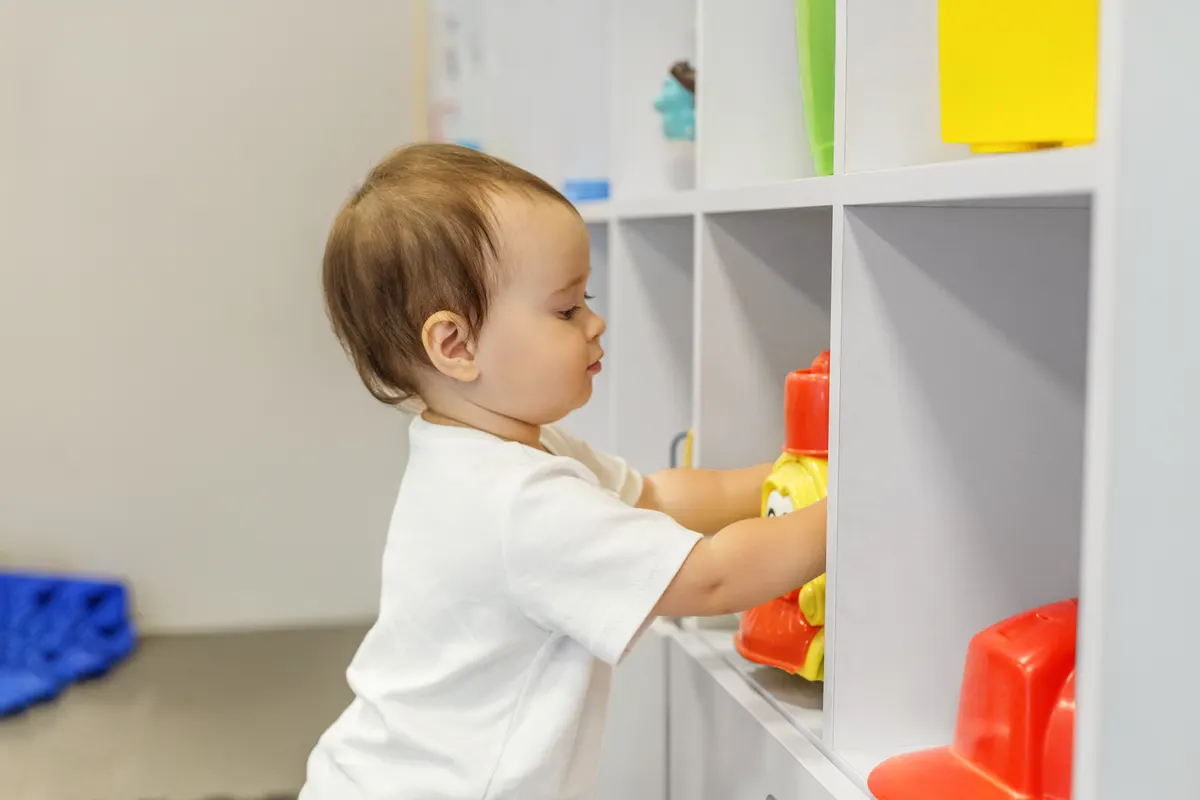
Montessori toy marketing agency: toddler Choosing Toy From Storage Shelf During Independent Play at Daycare.

Why the shelf is the unit, not the toy

Montessori toy buyers speak a particular language and shop in months rather than years. A parent putting together a twelve month shelf is looking for an object permanence box, a set of stacking discs and something for practical life, and they will judge your range on whether it is solid wood, what the finish is, and whether each piece isolates one thing for the child to work on. The word Montessori does a lot of the searching, and it is not a certification any shop can claim, so the trust has to come from how accurately you describe what you sell.

We write growth plans for Montessori toy brands that already sell online. The plan covers Shopping feeds that carry the stage in months and the material in the title, product pages that name the finish and the quality the object isolates, shelf sets and rotation plans that lift order value, and flows that follow a cycle measured in months rather than birthdays.

The buyer is usually a parent who has read enough to have firm opinions and is now assembling a shelf. The unit of thought is not a toy, it is the five or six things that will be out for the next couple of months while everything else is put away. A store that sells single items to this audience underperforms one that sells a stage.

The questions are about material and design. Solid wood or plywood. What the finish is and whether it is water based or an oil and wax. Whether the piece is open ended or has a single correct answer, which in this vocabulary separates a material from a puzzle. Whether the object isolates one quality, which is the principle the whole approach is built on and the fastest way for a parent to tell a real range from a wooden toy with a label.

Ages are given in months, because development in the first two years moves quickly and something that suits a nine month old is finished by fourteen months.

Grandparents buy here too, often badly, which is why a wishlist laid out as a shelf earns its place. The repeat is fast, roughly every couple of months through the first two years, and then it slows as the child moves into longer projects.
Where montessori toy brands
lose revenue

The four levers, in this niche.

Visitors

Visitors: rank for the object name and the month

The searches are specific: montessori toys 12 months, object permanence box, wooden stacking discs, practical life set for a toddler. Feed titles that carry the stage in months, the material and the object's real name rank for those; titles built from an invented collection name do not. There is heavy question traffic from parents planning a shelf, which lands on content rather than product pages. We rebuild titles around the object names parents use and build a page for every two or three month window.

Conversion rate

Conversion: name the wood, the finish and the quality isolated

The page converts when it names the timber, the finish and how it is applied, gives the stage in months with a reason, says what the object isolates and how the child works with it, and states the dimensions. Weight limits and the standard a climbing piece is tested to belong on the page as facts rather than as reassurance. A short clip of a child of the stated age using it correctly does more than the copy, and a photograph on a shelf shows how it fits the room being built.

Average order

Order value: sell the shelf and the rotation

The shelf is the order. Sell five or six pieces for one stage, priced against the same items bought separately, with a note on what to rotate out. A tray, a basket and a low shelf are natural additions because the method needs the furniture as much as the objects. A rotation plan, where the next stage set arrives every couple of months, turns one purchase into a term. A wishlist laid out as a shelf gives relatives something to buy that the parent will keep.

Repeat purchases

Repeat purchases: a cycle measured in months

The cycle here is faster than the rest of the toy world, roughly every two or three months through the first two years, because an object that isolates one skill is finished when the skill arrives. Capture the child's birth month and send the next stage before the current shelf goes stale. Offer the rotation plan to parents who would rather not choose each time, and a resale or swap route for finished pieces, which brings a customer back with something to trade rather than only something to buy.

What we do for
montessori toy brands

Five channels, one plan.

Google Shopping and search

Google Shopping and search ads for Montessori toys

Titles use the object name a parent searches with, not an invented product name: Object Permanence Box, Solid Beech, 8 to 12 Months. Stage in months and material both go in the title because both are filters. We build campaigns by stage rather than by product type, since a shopper buying for a nine month old will not be moved by a set for a two year old however cheap the click is.

Search ads take the shelf question, which is what most of this demand actually is: what to put out at a given age, what to buy first, what is worth paying for in wood. The ad answers and lands on the stage collection. The word Montessori is a search term rather than an endorsement, so copy uses it to describe the style and the principle the object follows and never implies an approval that no organisation grants.

Meta and TikTok

Meta and TikTok ads for Montessori toys

What works is a child using the material correctly with no narration laid over the top, and a shelf being set up piece by piece with each object named. Rotation videos, where a parent swaps a shelf for the next stage, perform particularly well because they show the method in one clip and sell six things at once.

This audience is already reading about the approach, so copy can use the vocabulary without explaining it, and should, because the wrong words mark a brand out immediately. Build audiences from stage page views, wishlist creations and past buyers rather than broad parenting interests, since the audience is narrow and the platform categories are not. Retargeting moves from the shelf video to the stage collection to the set, and claims stay on what the object is made of and what the child does with it.

Merchant Center and the feed

Merchant Center and the feed for Montessori toys

These sit in Google's Toys & Games branch, in the subcategories for wooden toys, stacking and sorting toys, or puzzles, depending on the object. GTINs are required where assigned. age_group is infant or toddler by stage, but Google's age values are far coarser than this category needs, so the month range has to carry in the title where the shopper can see it.

material carries the timber and any textile and is a genuine filter for this audience rather than a formality. product_detail carries the finish, the dimensions, the weight limit on climbing pieces and the quality the object isolates. Shelf sets use is_bundle so a set is not read as one small item at a high price. Images show the object plainly and then in use on a shelf, with no overlays, and the personalised advertising restrictions that apply across children's products apply here too.

SEO and AI search

SEO and AI search for Montessori toys

Parents ask assistants what belongs on a shelf at a given age, what an object permanence box is for, whether a toy is open ended, and what finish is used on the wood. The brand that publishes a stage page for every two or three month window and an explainer for every object is the one quoted, because those are questions with real answers rather than opinions.

Collections are built by stage in months and by area, so Practical Life and Sensorial are real pages with copy that uses the vocabulary correctly, since this audience notices when it is used loosely. Product pages carry material, finish, dimensions and principle as text. A shelf planner or rotation guide earns links and answers the question that starts most journeys. Product and FAQ structured data let assistants quote your stage advice.

Email and SMS

Email and SMS for Montessori toys

The clock is the child's age in months, so ask for the birth month at the first order and run everything from it. The next stage set goes out before the current shelf is exhausted, with a note on what to put away, which is as useful to the parent as the products themselves.

The rotation plan is offered after the second stage purchase, once the parent has watched the cycle happen for themselves rather than being told about it. Post-purchase content covers how to present the material and what the child is likely to do with it first, which this audience reads closely. A wishlist reminder before birthdays gives the parent something to send relatives, and that message quietly converts the grandparents who would otherwise buy something loud. SMS is kept for restocks, since small batches of wooden items sell out and the wait list is long.

First three fixes

What the plan usually starts with for montessori toy brands.

  1. Stages labelled in years

    Collections are built as one to two years and two to three years, while the buying cycle runs in months and the shelf changes every eight weeks. We rebuild collections and titles around month windows so the range matches how parents search and how quickly the child moves.

  2. The word doing all the work

    Products are labelled Montessori with nothing else said, so the range looks like wooden toys with a keyword attached and the description carries no principle. We rewrite pages to name the timber, the finish and the quality each object isolates, which is what this audience is reading for.

  3. Single items where the customer wants a shelf

    The store sells one object at a time to a buyer who is assembling five or six, so the order value stays low and the parent finishes the shelf elsewhere. We build stage sets with a rotation note and price them against the same pieces bought individually.

Questions from montessori toy brands

You can describe a product as Montessori-aligned or Montessori-inspired and explain the principle it follows, but no organisation certifies retail toys, so avoid wording that implies approval or accreditation. Describing what the object isolates and how a child works with it is both more accurate and more convincing to this audience.

In months for anything under three years old. Development in the first two years moves fast enough that a year-wide band is useless, and parents here search in months. Put the month range in the title, the collection and the feed, and use Google's coarser age_group values only because the specification requires them.

Name the timber, say whether it is solid or plywood, name the finish and how it is applied, and give the dimensions and the weight. State any standard the item is tested to as a fact. This audience is buying materials as much as objects, and vague wording about natural or non-toxic reads as evasion rather than reassurance.

Better than in most toy niches, because the method itself is built on rotating a small shelf every few weeks. Offer it after a customer has already bought two stage sets, let them skip a cycle, and include a note on what to put away with each delivery so the plan feels like guidance rather than a standing order.

Give the parent a wishlist laid out as a shelf with prices at several levels, so a relative can pick something suitable without having to understand the method. Send the reminder to the parent before birthdays rather than trying to reach the relative directly, since the parent is the one who shares it.

Other baby & kids stores we work with

Send your montessori toy brand store.

The plan says which lever is leaking and what to fix first, for your store as it is today.

Store, name, email and phone. A person replies from a real inbox. Privacy

Get your free growth plan