Skip to content

Self-tanning marketing agency

Marketing for self-tanning brands online: shade depth and format in the feed, prep content that cuts returns, aerosol shipping rules, and event-led campaigns.

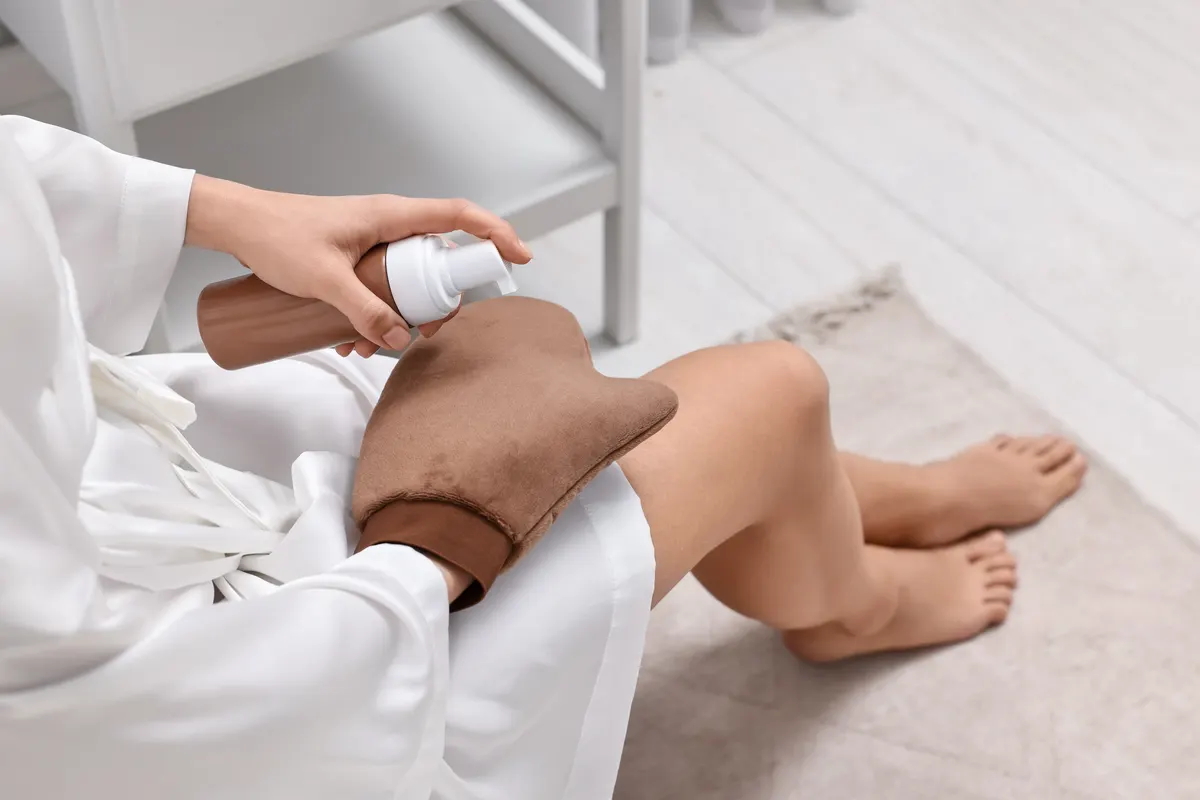
Self-tanning marketing agency: self-tanning. Woman applying cosmetic product onto tanning mitt indoors, above view.

Preparation decides the review

Self-tan is an application product pretending to be a beauty product, and that is the whole marketing problem. The formula rarely fails. The application does, and when it does the customer blames the brand, posts a photograph of streaked ankles and never buys again. Which means the content that teaches preparation is not a nice extra sitting in a blog. It is the single biggest lever on returns, reviews and repeat orders in this niche.

The second thing to understand is the calendar. This category does not follow the sun. Demand rises in the dark months when people want colour they are not getting outdoors, spikes before holidays and events, and is driven by weddings, parties and anything with photographs. A brand budgeting like a summer product misses most of its own year.

And shade depth here is not a skin match. It is how dark the result develops, which is a different thing to explain.

We work with self-tanning brands that already sell online.

Almost every complaint in this category traces back to something that happened before the product was opened. Skin was not exfoliated. Moisturiser was applied first. Dry patches at the elbows, knees and ankles grabbed the colour. No mitt was used, so the palms went orange. It was showered off too early or too late.

That means the product page carries an unusual load. It has to state the preparation steps in order, say how long the development takes for that specific formula, explain what the guide colour is and that it is not the final result, and be honest about transfer to sheets and clothes overnight. A brand that does this properly reduces refunds and gets better photographs back from customers, which is the marketing asset that matters most here.

Format is the next decision and shoppers know the vocabulary. Mousse, water, drops, lotion, gradual and mist all behave differently, and someone who wants a gradual build is not going to be happy with a one-hour dark formula. The page should say who each format is for.

And the mitt is not an accessory. It is part of the product working at all. Including one, or putting it in front of every first-time buyer, prevents the most common bad outcome there is.

Where self-tanning brands
lose revenue

The four levers, in this niche.

Visitors

Format, depth and occasion drive the search

The queries split by format and by outcome. Tanning mousse, tanning water, gradual tan lotion, face tanning drops, tanning mist. Then depth language such as ultra dark tan or light natural looking tan. Then occasions, which is where a lot of the volume sits: tan for a wedding, holiday tan, tan that does not transfer. We build campaigns around format and depth, run occasion campaigns against the event calendar, and put budget behind the dark months rather than only the summer.

Conversion rate

Prep steps, development time and the mitt

The page converts when it removes the fear of getting it wrong. Preparation in order, with the exfoliating step and the timing before application. Development time for that formula. What the guide colour is and what the result will look like once it is rinsed. Whether it transfers overnight. Whether a mitt is included. Show the result on more than one starting skin tone so the depth means something. Every one of those points is a reason a first-time buyer hesitates and a reason a refund gets requested.

Average order

The tan needs a kit around it

Nobody gets a good result from the bottle alone, which makes the accessories genuine rather than padding. An application mitt, an exfoliating mitt for preparation, a back applicator, a face formula alongside the body one, and a tan remover for when it fades unevenly. Sold as a first-timer kit, that raises the order and dramatically improves the outcome. The face product is the most natural addition, because face and body are used at different frequencies and rarely from the same bottle.

Repeat purchases

A weekly habit inside a two month bottle

This is a fast-cycling category once someone is in the habit. A standard bottle gives a handful of full-body applications, and a regular user applies weekly, so a bottle is finished in a couple of months and often sooner in the party season. Set the reminder to that. The second thread is the depth ladder: customers who start light almost always want darker later, so the follow-up offers the next depth up rather than a repeat of the same bottle, along with the mitt that has worn out.

What we do for
self-tanning brands

Five channels, one plan.

Google Shopping and search

Format and depth in the title, no sun protection implied

Titles carry brand, format, depth and size, because all four are compared. Tanning mousse ultra dark 200ml is matchable. A brand name with an invented shade word is not. Depth wording matters and it needs to be consistent across your range, since light, medium, dark and ultra dark are the terms shoppers search and a private scale nobody recognises will not be typed by anyone.

Campaign structure follows format and occasion. Format groups take the direct intent. Occasion groups run against weddings, holidays and party season with copy about development time and how long the tan lasts. Budget should be heaviest in the darker months and around event seasons rather than in local summer, which is the opposite of what most media plans assume.

One claim rule sits over everything. A self-tan offers no sun protection, so nothing in your titles, copy or descriptions may imply that it does. Wording that suggests a tan without the sun is fine as a description of the product. Wording that suggests protection from the sun is not, and it is a serious problem rather than a small one.

Meta and TikTok

Full application, results on different skin tones, no assumptions about the viewer

The creative that sells is the whole process, not the after shot. Exfoliation the day before, the mitt going on, the application in sections, the guide colour, the wait, the rinse and the result in daylight. That is a longer video than most beauty creative and it performs because it is the exact thing the viewer is nervous about.

Show the result on several starting skin tones. Depth is relative to where someone begins, and a single model tells most of your audience nothing useful.

Creators carry more weight than brand footage here because a tan photographed by a brand is assumed to be edited. Brief them to show the imperfect parts as well: the ankles, the hands, the fix if something streaks.

On policy, Meta rejects copy that implies something about the person viewing, so lines about being pale or washed out are refused. Keep the language on the product and the result. And never imply the product replaces sun protection or offers any, in creative or in caption.

Merchant Center and the feed

Aerosols restricted, depth as an attribute, kits as bundles

The shipping problem comes first. Aerosol tanning mists are pressurised and often flammable, which restricts the carriers and services that will take them, usually excludes air freight and adds packaging and labelling requirements. Your feed and checkout shipping settings must offer only the services that will genuinely carry them, because selling an express delivery a carrier refuses creates cancellations you cannot recover from.

Depth belongs in a product detail attribute and in the title, and it should be described as how dark the result develops rather than as a skin shade. Shoppers reading a shade name expect a match to their skin, which is not what these numbers mean, and setting that expectation wrongly produces returns.

Format is the other attribute worth filling properly, since mousse, water, drops, lotion and mist behave differently and are searched separately. Sizes split into their own offers with unit pricing filled. First-timer kits containing a tan, a mitt and an exfoliating glove are bundles, so is_bundle goes on and they get their own identifier rather than the barcode of the bottle inside.

SEO and AI search

How to apply it, how to fix it, and what assistants get asked

This niche has more genuine search demand for instructions than for products. How to apply fake tan without streaks. How long to leave tanning mousse on. How to fix a patchy tan. How to make a tan last longer. Does self tan come off in the shower. What to do before applying. Those are typed into search engines and asked of AI assistants in the same words, and the pages that answer in the first line, in plain visible text, are the ones that get quoted back to the person asking.

So build a preparation guide, a development time guide covering each of your formulas, a fixing guide for patches and streaks, and a page explaining what depth actually means. Link them from every product. They rank all year, which matters in a category with sharp seasonal peaks, and they reduce the support load and the returns at the same time.

Product pages state the format, the depth, the development time, the size, the number of full-body applications and whether a mitt is included, in text rather than in a graphic.

Email and SMS

First-timer guidance, then the depth ladder and the event calendar

The first flow starts the moment a first order ships, before the product arrives. Preparation the day before, how to apply, how long to leave it, what the guide colour looks like, and what to do if something goes wrong. Sending it after delivery is too late, because people apply the night they receive it. This one sequence does more for reviews and repeat orders than any discount.

Replenishment then runs on a real count. Work out how many full-body applications a bottle gives and how often that customer is likely to apply, and place the reminder before the bottle is empty. Weekly users in party season move quickly and appreciate the timing.

The third flow is progression and occasions. Someone who started on a light formula is a candidate for the next depth up rather than a repeat of the same bottle, and mitts wear out and need replacing. Then run the event calendar: the weeks before holidays, party season and wedding season, with development timing advice attached so the tan lands on the right day.

First three fixes

What the plan usually starts with for self-tanning brands.

  1. Put preparation and development time on every product page

    The exfoliation timing, the application steps, the development window for that formula, the guide colour explanation and the transfer warning move out of the blog and onto the page, which is where returns are actually prevented.

  2. Fix aerosol shipping and depth labelling in the feed

    Pressurised mists get shipping settings that match the services that will carry them, and depth is described as how dark the result develops rather than as a skin shade, so expectations are set correctly before purchase.

  3. Build the first-timer flow and the depth ladder

    A pre-delivery sequence teaches application before the parcel arrives, then replenishment runs on applications per bottle and the follow-up offers the next depth up and a replacement mitt rather than the same order again.

Questions from self-tanning brands

Be careful with that framing, and never imply any sun protection. A self-tan contains no sun protection factor and nothing in your titles, ad copy, feed descriptions or social captions may suggest otherwise, directly or by implication. Describing the product as colour without sun exposure is a description of what it does. Describing it as protection, or as a substitute for sun care, is a claim you cannot make and one that platforms treat seriously.

Because aerosols are pressurised and frequently flammable, which puts them in a restricted goods category. Most air services will not carry them, ground carriers apply their own limits, and packaging and labelling requirements apply. Set the feed and checkout to offer only the services that will actually take them, and say so on the product page. Non-aerosol formats have none of these restrictions, which is worth knowing when you decide what to promote in a rush period.

As how dark the result develops, not as a match to skin tone. Shoppers who see a shade name assume it works like a foundation shade, and that misunderstanding produces returns. Use consistent depth wording across the range, put it in the title and in a product detail attribute, and show the result photographed on several starting skin tones so someone can judge where they will land rather than guessing from a name.

Not when most media plans assume. Demand rises in the darker months, when people want colour they are not getting outdoors, and peaks around holidays, weddings, parties and anything involving photographs. There is also a pre-holiday spike from people wanting a base before they travel. A brand that concentrates its budget in local summer spends against its weakest months and goes quiet through its strongest ones.

Move the instructions upstream. Put the preparation steps and timing on the product page rather than in a leaflet, include or strongly push an application mitt, and send the how-to sequence when the order ships instead of after delivery, because people apply on the evening it arrives. Then publish a fixing guide for patches so a bad result becomes a solved problem rather than a refund and a photograph on social media.

Other beauty & skincare stores we work with

Send your self-tanning brand store.

The plan says which lever is leaking and what to fix first, for your store as it is today.

Store, name, email and phone. A person replies from a real inbox. Privacy

Get your free growth plan