Skip to content

Makeup marketing agency

Marketing for makeup brands that sell online: shade variants built right in the feed, undertone matching, look-led creative, and refill flows for the staples.

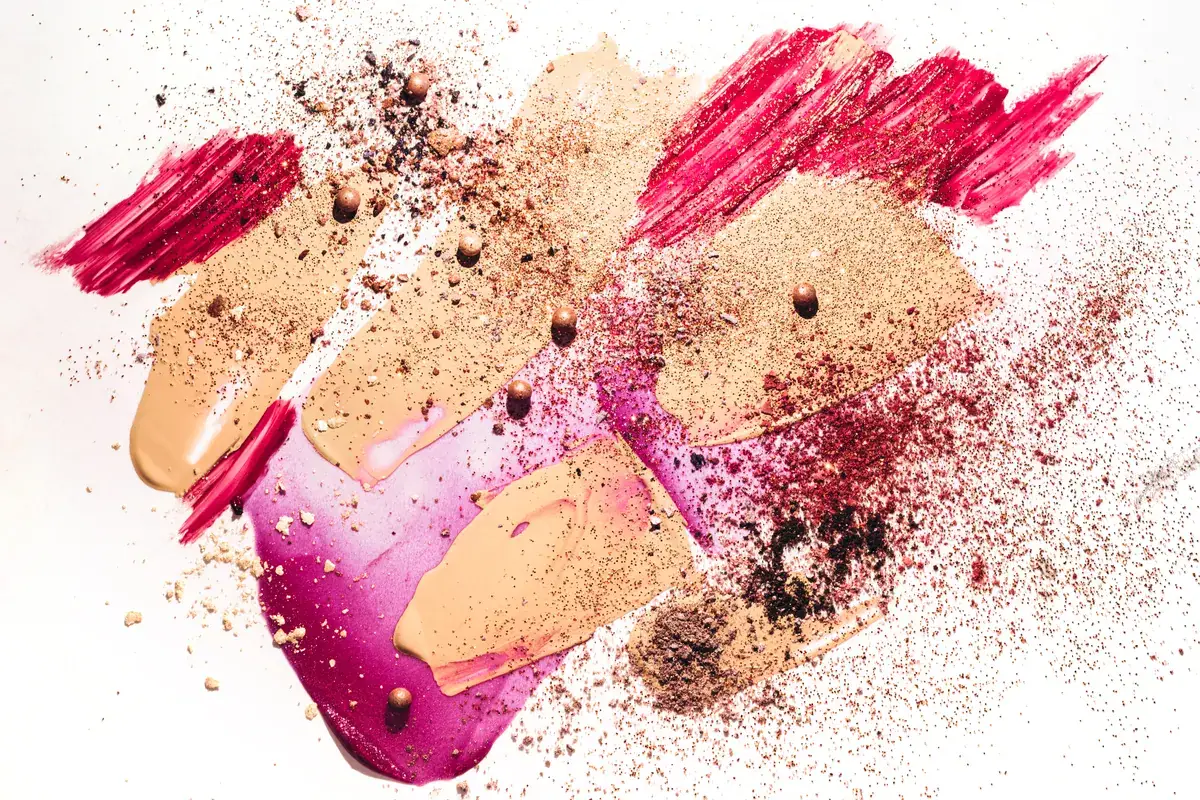
Makeup marketing agency: beauty concept with Smudged makeup foundation, broken shadows, lip gloss and sparkles on white background.

Matching, not choosing

Makeup has a problem no other beauty category has to solve. A shade is matched to a body, not chosen from a mood board, and getting it wrong means a return, a bad review and a customer who does not try again. A foundation range with forty shades is forty stock decisions, forty images, forty rows in the feed, and one confused shopper trying to work out whether she is a neutral or a warm.

Everything else follows from that. The product page has to do the work a counter used to do. The feed has to describe shades in a way Google can match. Availability has to be honest at variant level, because a listing that says in stock while the only shade someone can wear is sold out is worse than an empty page.

We work with makeup brands that already sell online, on complexion products and colour alike.

Complexion products and colour cosmetics are bought in completely different frames of mind, and a store that treats them the same underperforms on both.

Foundation, concealer, tinted moisturiser and setting powder are a matching exercise. The shopper is trying to identify her depth and her undertone, and she is nervous, because the last time she guessed it went orange. The page has to give her the vocabulary and the evidence: swatches on real skin rather than on paper, a shade shown on more than one face, a description that says where each shade sits, and a way to compare against something she already owns. A shade finder that asks a few honest questions beats a chart that asks her to self-diagnose.

Lipstick, eyeshadow, blush and liner are the opposite. They are collected. Nobody needs a fourth nude lip, and that has never stopped anyone. These sell on the look, on the finish described accurately, and on seeing the product worn rather than swatched.

Both are hygiene products, so returns are limited once opened. That makes pre-purchase certainty the whole game. Every pound spent on shade confidence saves several on refunds and on the goodwill exchanges you will otherwise offer anyway.

Where makeup brands
lose revenue

The four levers, in this niche.

Visitors

Finish and format queries, then the look

Makeup search is specific about format and finish before it is about brand. Matte liquid lipstick, cream blush stick, full coverage foundation for oily skin, waterproof liner. Those queries carry the buying decision inside them, so they need pages that match the wording rather than a generic category page. Look-led searches are the second stream, and they belong to tutorial content rather than product pages. We build campaigns around the format and finish language customers already type, and use content to catch the look queries earlier in the decision.

Conversion rate

Shade confidence is the conversion rate

For complexion products, almost every abandoned cart is a shade doubt. We put swatches on real skin at several depths, show each shade on a face rather than an arm, describe where the shade sits in plain words, and add a shade finder that asks a few practical questions instead of a chart nobody trusts. Then we make the safety net visible: what happens if the match is wrong, and how the exchange works. Certainty before purchase costs less than processing the return afterwards.

Average order

Sell the look, not the single product

A single lipstick is a small order, and the customer was watching a whole face being made. Complete-the-look modules that pair the foundation with the concealer a shade lighter, the blush with the lip, and the palette with the brush that applies it raise the basket without pushing. Sets built around one finished look, priced so the maths is obvious, do better than a random discovery box. Tools and brushes are the natural attachment at the cart, because they are remembered only when someone is about to check out.

Repeat purchases

Staples run out, collections tempt

Split the catalogue in two and treat each half properly. Complexion staples are consumed. A foundation bottle, a concealer, a setting spray and especially a mascara are replaced on a real cycle, and mascara has a period after opening that most customers know about and still forget. Those get replenishment reminders with a one-tap reorder in the exact shade already bought. Colour cosmetics are not replaced, they are added to, so that half of the list is driven by launches, seasonal palettes and looks rather than by timing.

What we do for
makeup brands

Five channels, one plan.

Google Shopping and search

Every shade an offer, every offer its own swatch

A complexion range only works in Shopping if each shade is submitted as a separate offer, grouped under one item_group_id, with the colour attribute filled and, critically, its own image showing that shade. Feeds that send the same group photograph for forty shades produce a listing that looks identical to every competitor and tells Google nothing. The shade name goes in the title alongside the product type and the coverage or finish, because that is the language of the query.

Availability has to be honest per variant. When one shade sells out and the feed still reports the group as available, you buy clicks that land on a page where the visitor cannot buy anything she can wear. That is a wasted click and a lost customer.

Campaigns split by intent. Format and finish queries such as matte liquid lipstick or full coverage foundation go to the pages that use those words. Shade-specific queries go to the exact variant. Brand queries stay separate so you can see what your content and creator work is actually driving.

Meta and TikTok

Application in one take, undertone talk, no assumptions about the viewer

Makeup creative lives or dies on application. One take, one face, real lighting, the product going on and the result held up to camera. Swatch-only content tells a viewer the colour but not the finish, the wear or how it moves, which are the three things she is actually deciding on.

Creators matter more here than in most categories because a shade shown on a face like the viewer's own is proof that no brand photograph can supply. Brief a range of creators across depths and undertones and let them say which shade they used, in the words your feed and pages use.

Meta's rules on implying things about the viewer bite hard in this category. Copy about covering dark circles, hiding blemishes or fixing an uneven complexion gets rejected because it asserts something about the person watching. Rewrite around the product and the finish. Any claim that a lash product makes lashes grow is a health claim rather than a cosmetic one, whatever the formula does, so keep the language to length, volume and definition of the look.

Merchant Center and the feed

Shade structure, hygiene policy, and claim wording in the description

Merchant Center problems in makeup cluster around variants. Each shade needs its own GTIN, its own image and the colour attribute filled in words a shopper would use, with item_group_id tying the family together. Missing variant images and duplicate identifiers across shades are the two disapprovals we see most, and both are silent revenue leaks rather than obvious failures.

The returns policy has to be set up for a hygiene category. Cosmetics that cannot be returned once opened must say so clearly in the policy Google reads, otherwise you fail the returns requirements and generate complaints. Say what you do accept: unopened items, a wrong-shade exchange, a damaged delivery.

Descriptions are read for matching, so they should carry the finish, the coverage level, the undertone family, the shade name and the size. Keep drug-style wording out of them. Anything about repairing skin, treating a condition or promoting lash or brow growth turns a cosmetic offer into a healthcare review, and images with promotional text overlaid are a separate disapproval on their own.

SEO and AI search

Shade matching guides and the questions asked before a name is known

The searches that bring new makeup customers happen before your brand is in the sentence. How to find your foundation undertone. What full coverage actually means. Which blush suits a warm complexion. How to stop foundation looking patchy over dry skin. These are the questions people also put to AI assistants in whole sentences, and the pages that get quoted are the ones that answer directly and keep the specifics in visible text.

Build shade matching content as reference material rather than a blog post. A shade guide that maps your range by depth and undertone, with links to each variant, will be linked to and cited long after a seasonal article is forgotten.

Collection pages should follow the way people shop: by finish, by coverage, by format, by skin type. Product pages carry the shade description, the finish, the wear time, the size and the period after opening in text, with structured data listing each shade as its own offer and reviews shown at the variant level so a shopper reads about the shade she is considering rather than the whole range.

Email and SMS

Reorder the exact shade, then invite the collection

The single most useful message a makeup brand sends is a reorder prompt for the exact shade someone already bought, timed to when that product is likely running low. Foundation, concealer and setting spray each have their own rate, and mascara has the shortest life of all because of its period after opening. One tap should put the same shade back in the basket, with no shade decision to make twice.

The collection half of the list works differently. Those customers respond to launches, seasonal palettes and looks, so they get a new-product sequence with the product worn rather than swatched, and an early access window that makes being on the list worth something.

Two smaller flows earn their keep. A shade-match follow-up a week after a first complexion order asks whether the match was right and offers an exchange before a review is written. And a lapsed-staple flow reaches the customer who bought a foundation and never came back, because that is usually a match problem rather than a preference change.

First three fixes

What the plan usually starts with for makeup brands.

  1. Rebuild the shade variants in the feed

    Every shade gets its own offer, identifier, swatch image and colour attribute under a shared item_group_id, with availability reported per variant so sold-out shades stop drawing paid clicks.

  2. Put shade matching on the product page

    Swatches on real skin across depths, each shade shown on a face, plain-language undertone descriptions, and a short shade finder, backed by a visible exchange policy for a wrong match.

  3. Split the list into staples and collectors

    Complexion buyers get shade-specific reorder reminders on the real replacement cycle. Colour buyers get launches, looks and early access, because nobody replenishes an eyeshadow palette.

Questions from makeup brands

As forty offers sharing one item_group_id. Each needs its own GTIN, its own image showing that specific shade, the colour attribute filled with words a shopper would use, and the shade name in the title. Availability must be reported per shade rather than for the group. Sending one group photograph across the whole range is the most common setup we find, and it makes every shade look identical in the results and unmatched against any shade query.

Not as a cosmetic. Growth language is read as a claim about the body and moves the product into a healthcare review it will not pass as a beauty listing. Describe the appearance instead: how the lashes look, the length and definition the product creates, how it wears through the day. If a product is registered as a medicine in a market, that is a different category with its own approvals, and the ad account has to be set up for it.

Write the policy for what you can actually accept, publish it where Google reads it, and be specific. Unopened items returnable, damaged deliveries replaced, wrong shade exchanged rather than refunded. Then spend the effort upstream, because a hygiene category cannot absorb high return rates. Better swatches, a shade finder and a follow-up message a week after a first complexion order will prevent more returns than any policy wording.

For complexion products, usually yes, if it asks practical questions rather than asking someone to self-diagnose an undertone. Questions about how skin reacts to sun, how jewellery looks against it, and which shade of a product she already owns produce a usable answer. Keep it short, show the result with a swatch on skin, and let her see the shades either side of the recommendation so she can adjust rather than guess again.

Stop expecting the whole catalogue to behave the same way. Complexion staples are consumed and belong on a reorder reminder in the shade already bought, with mascara on the shortest cycle because of its period after opening. Colour cosmetics are collected, so that audience is brought back by launches, seasonal shades and complete looks. Two lists, two rhythms, and the mistake is sending the collection audience a replenishment email.

Almost always because the copy implies something about the person seeing it. Lines about covering dark circles, hiding blemishes or fixing dull skin assert a personal attribute, which the policy does not allow. Rewrite them around the product and the result on camera: a concealer that sits smoothly under the eye, a finish that lasts through a long day. The claim moves from the viewer to the formula and the ad runs.

Other beauty & skincare stores we work with

Send your makeup brand store.

The plan says which lever is leaking and what to fix first, for your store as it is today.

Store, name, email and phone. A person replies from a real inbox. Privacy

Get your free growth plan