Skip to content

Drone marketing agency

Growth for drone retailers: the 250 gram class, registration and Remote ID in your copy, lithium battery shipping, and props and batteries as the reorder.

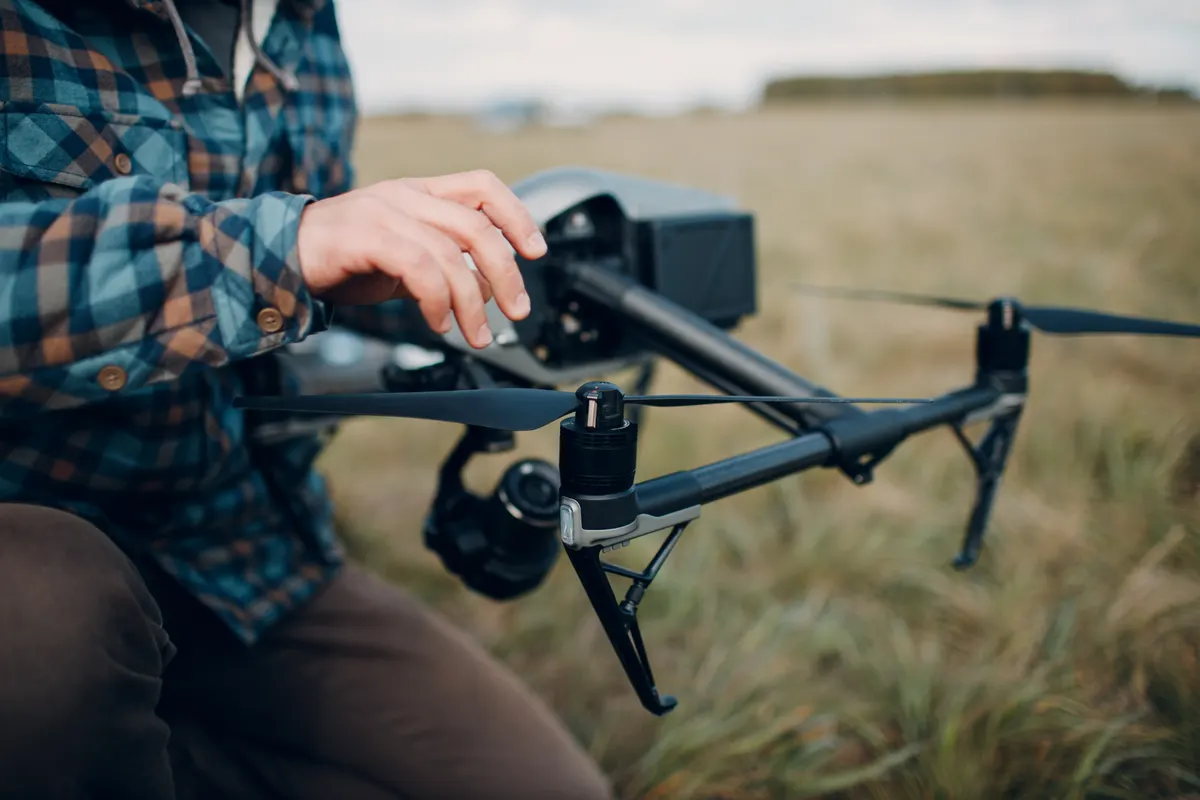
Drone marketing agency: man pilot checking quadcopter drone before aerial flight and filming.

How people buy a drone

A drone store sells a product that comes with rules attached, and the shopper knows it. Before they buy they want to know whether the aircraft needs registering, whether it falls under the 250 gram class that many countries treat more lightly, whether it broadcasts Remote ID, and where they are allowed to fly it. A store that answers those questions plainly wins the sale from one that just lists the camera specs.

We work with retailers selling camera drones, FPV kits, enterprise and agricultural aircraft, and the batteries, propellers, filters and cases that go with them. The specifics are distinct: regulation shapes the copy, lithium batteries shape the shipping, the crash shapes the aftercare, and the reorder is strong because propellers break and batteries age. The seasons are outdoor ones, and the biggest buying moment is a gift first flown on a cold morning in January.

We start with a free written growth plan and charge a base fee plus growth share only if you want us to do the work.

A first-time buyer starts with a budget and a purpose, usually travel video or photos, and quickly runs into the regulation question. They search the model name plus 'registration', or ask an assistant whether they need a licence for it. The 250 gram threshold becomes the deciding factor for many of them, because staying under it simplifies the rules in several countries, and the store that explains this clearly earns their trust before the spec comparison begins.

An experienced pilot buys differently. They know the models, they compare sensor sizes, transmission range, obstacle sensing and flight time, and they care about the bundle: how many batteries, a charging hub, ND filters, a case. They also know the price is the same everywhere, so they choose the store on stock, delivery date and what the bundle adds.

FPV pilots are a third group with their own vocabulary, frames, motors, flight controllers, goggles, and they buy parts as much as complete aircraft, often several times a month.

After the purchase, everyone needs propellers, and everyone's batteries degrade. The store that sells the drone and then the consumables, with a reminder timed to flying season, has a customer for years.
Where drone stores
lose revenue

The four levers, in this niche.

Visitors

Visitors: win the model search and the regulation question

Traffic comes from model-name searches and the regulatory questions attached to them. We run Shopping and search on the models and bundles you can compete on, and build the pages that answer registration, Remote ID and weight-class questions per aircraft, because those are what search engines and AI assistants return to a first-time buyer. FPV parts get their own campaigns because the queries are entirely different.

Conversion rate

Conversion: make the rules and the bundle contents plain

A drone buyer hesitates over the rules, the batteries included and what happens after a crash. We put weight class, registration and Remote ID status on every product page, list the exact bundle contents, state the care or replacement options you offer, and show delivery dates honestly, because batteries often ship by ground and the shopper needs to know when it will arrive.

Average order

Order value: batteries, filters and a case with every aircraft

A drone flown with one battery is a drone flown for a short time. We build the battery-and-charger bundle into the product page, add ND filters and a case in the cart, and offer memory cards and spare propellers as low-friction add-ons. Accessory margin beats airframe margin, so the bundle is where the business is made.

Repeat purchases

Repeat purchases: propellers break and batteries age

This is one of the few electronics niches with a real consumable cycle. We send propeller and battery reminders timed from the purchase and the flying season, keep a reorder page per aircraft with the right parts preselected, and run a spring campaign to every past buyer when the weather changes. FPV customers get parts news and stock alerts because they buy monthly.

What we do for
drone stores

Five channels, one plan.

Google Shopping and search

Google Shopping and search ads for aircraft and the parts that follow

Shopping for drones is a model-name market with price parity across sellers, so the campaigns focus on the bundles you can differentiate and on the accessories where the margin lives. Complete aircraft go in one campaign with tight bidding because the click is expensive and the price is fixed; batteries, propellers, filters and cases go in another, where the return is better and the searcher already owns the aircraft.

Search ads cover the model name plus 'bundle' or 'with extra batteries', the regulatory phrases such as the weight class and registration, and the FPV part terms that no general retailer bids on. Ad copy states weight class and what is in the box rather than camera adjectives. We keep campaigns per shipping region separate where battery shipping rules differ, so the delivery promise in the ad is true for the country it shows in. Gift-quarter campaigns emphasise the delivery date and the beginner bundle.

Meta and TikTok

Meta and TikTok ads with the footage the drone actually shot

Drone creative writes itself if you use real footage from the aircraft, shot by your team or customers with permission, with the drone in frame at some point so the shopper connects the video with the product. The strongest openings are the take-off from a hand, the follow shot, and the folded drone next to a phone for scale. We caption weight class and flight time from the manufacturer's own figures and never imply the drone can be flown somewhere it cannot.

On TikTok, first-flight and crash-and-repair content performs, and it is honest about the product. Creators are briefed to mention registration and where they flew, because comments will ask. Meta catalogue ads retarget aircraft viewers with the bundle they looked at, and battery and filter ads reach past buyers of the matching model. Both platforms allow drone advertising; the limits we watch are on claims about legality and on footage that shows flying over crowds or near airports.

Merchant Center and the feed

Merchant Center for aircraft, bundles and lithium batteries

Complete aircraft have manufacturer GTINs and Google's catalogue is strict about them, so the identifiers must match the exact package variant, because the base kit and the multi-battery bundle are different GTINs. Retailer-assembled bundles use the is bundle attribute with your own SKU and a title that lists what is inside. The brand field is the manufacturer's name; a store-brand bundle still carries the aircraft maker as brand.

Batteries and battery bundles need shipping attributes that reflect reality: ground-only services, longer transit times and any countries you cannot ship to. A feed that promises two-day delivery on a product that ships by road for a week is a mismatch waiting to happen. Product highlights carry weight, flight time, transmission range and sensor size from the manufacturer's spec, and a note on Remote ID where the model supports it. Propellers and small parts without GTINs use identifier exists set to false, with a custom label so campaigns treat them as consumables.

SEO and AI search

SEO and AI search for 'do I need to register this drone'

The questions shoppers ask an assistant before buying a drone are about rules more than specs: whether a model needs registration in their country, what the 250 gram class means for them, whether it has Remote ID, whether they can fly it at a beach or in a park, how long the battery lasts. A store that answers those per model, in plain text and with a date on the page, gets cited and gets the visit. We write a regulation page per aircraft that states what you know and links to the official source for the rest.

Buying guides by purpose, travel, real estate, FPV, mapping, and comparison pages across models carry the research phase. Product pages hold the full spec table, bundle contents and parts list, so one page serves the buyer and, later, the owner looking for a propeller. Repair and crash guides bring back customers and are where the replacement part sells.

Email and SMS

Email and SMS timed to the first flight and the flying season

The first email after delivery matters because the first few flights are the riskiest. A pre-flight checklist, the registration reminder for the country of delivery, and a link to the app setup reduce both accidents and support tickets. The next email introduces the spare propellers and the second battery for the pilot who has now discovered how short a single flight is.

After that, the flow follows the calendar: a spring campaign to every past buyer as the weather improves, a battery health reminder after a year, and a firmware note when the manufacturer ships something that changes range or safety. FPV customers get a separate rhythm with parts restocks and new frames, because they buy far more often. Gift buyers get a post-purchase email for the person who will fly it, with the rules and the first-flight guide. SMS covers battery shipments, where transit is longer and the shopper wants to know it is on its way.

First three fixes

What the plan usually starts with for drone stores.

  1. Shoppers abandon after asking whether the drone needs registering

    We add a weight-class and registration block to every product page and a per-model regulation page, so the question is answered before checkout instead of sending the shopper off to search elsewhere.

  2. Battery orders show a delivery promise the carrier cannot keep

    We set shipping attributes in the feed and shipping rules in the store to reflect ground-only battery transit per region, and the checkout shows the real date so the review afterwards is about the flight, not the wait.

  3. The aircraft sells at market price and the accessories never get attached

    We build a bundle per aircraft with batteries, a charging hub, filters and a case, put propellers and cards as cart add-ons, and set a reorder flow so the margin comes from the parts rather than the airframe.

Questions from drone stores

The major ad platforms allow drone advertising, but the rules on claims still apply. Do not state that a drone can be flown without registration where that is untrue, avoid footage of flying over people or near restricted areas, and keep battery shipping promises accurate. Some countries restrict certain drone categories, so we check the markets you ship to before launching campaigns.

Because several countries apply lighter rules to aircraft under that weight, and first-time buyers have learned to look for it. Stating the take-off weight clearly on the product page, and saying what that means in the countries you ship to, answers the question that decides many beginner purchases. It is also a term that AI assistants use when recommending a drone.

By being honest about transit at the point of sale. Battery shipments often travel by ground, so the product page and checkout should show the real delivery window for the buyer's region. Many stores separate the aircraft-only and battery-bundle shipping rules so the drone arrives fast and the batteries follow, with an email that explains the split.

Yes. FPV pilots buy parts often, use a specialised vocabulary, and research in forums and on video rather than review sites. They need a parts catalogue with precise specs, fast restocks, stock alerts, and email that reads like a parts newsletter. Camera drone buyers need regulation clarity and bundles. We plan the two as separate tracks within one store.

Demand rises with good weather and travel and peaks in the gift quarter, with a second wave of accessory and replacement purchases early in the year when gifted drones are flown and crashed. We plan aircraft campaigns around those windows and keep consumable campaigns running all year to past buyers.

Other electronics & gadgets stores we work with

Send your drone store store.

The plan says which lever is leaking and what to fix first, for your store as it is today.

Store, name, email and phone. A person replies from a real inbox. Privacy

Get your free growth plan