Skip to content

Meal kit & prepared meal marketing agency

Growth plans for meal kit and prepared meal brands: delivery-zone targeting, the week-four churn cliff, menu-window emails and honest cold chain answers.

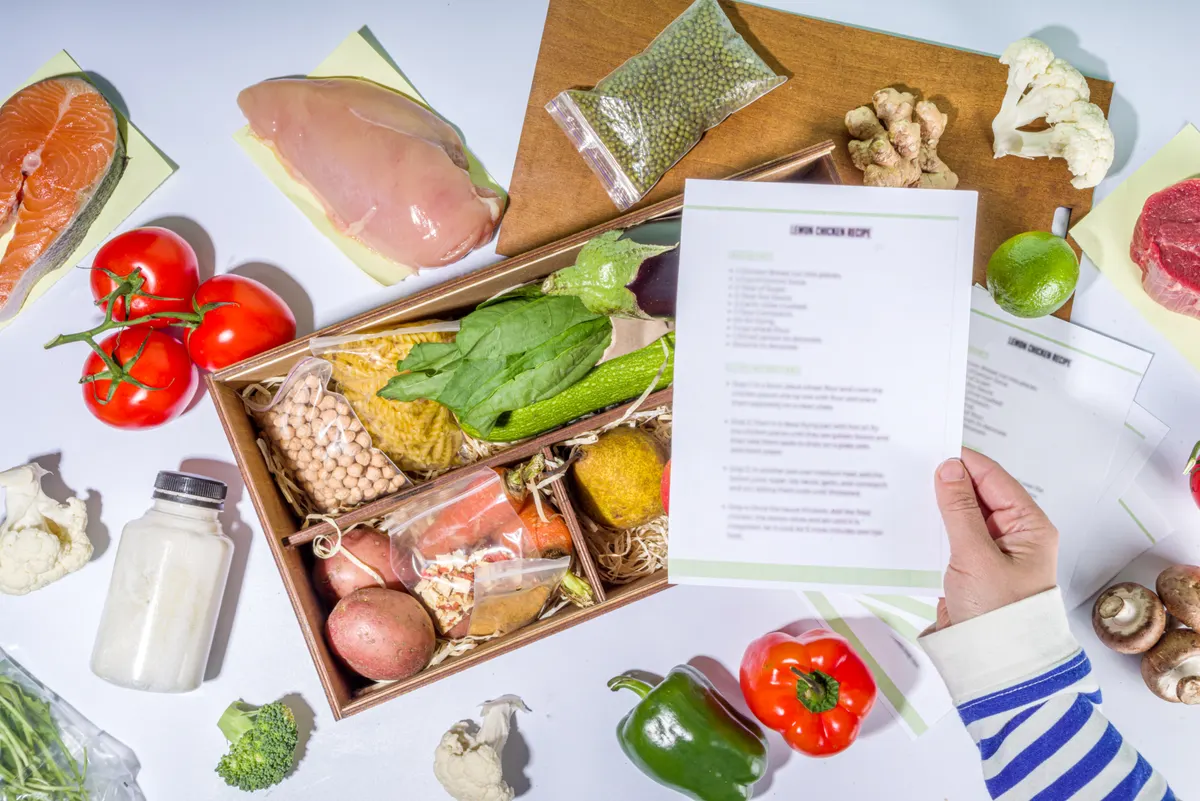
Meal kit & prepared meal marketing agency: meal Kit Delivery Concept.

Shoppers are buying a week of their life back, not groceries

A meal kit business is won or lost in the four weeks after the discounted first box. Acquisition is the easy half. Anyone can buy first orders with an introductory offer, and plenty of brands do, then watch the same customers cancel once the second box arrives at full price and the novelty of choosing meals has worn off. The number that decides whether the business works is how many of those households are still eating your food in month three.

We work with brands that already ship food to homes, whether that is a chilled recipe kit, fully cooked meals in trays, frozen portions or a weekly prepared menu. The plan covers visitors, conversion, order value and repeat purchases, and it starts by measuring where your customers actually leave: before the first box, at the second charge, or somewhere in the quiet weeks when they keep skipping.

Nobody compares your kit to a supermarket basket on price alone and comes away impressed. The purchase is made against the cost of thinking about dinner every evening, driving to a shop, and throwing away half a bunch of coriander. That is why the pages that convert lead with what the week looks like rather than with a price per serving, then answer the practical questions immediately underneath: which days you deliver to their postcode, how long the food keeps, how much of it needs cooking, and what happens if nobody is home.

The second thing a shopper is deciding is whether they are trapped. Meal plans carry a reputation for being easy to start and hard to stop, so a visible skip button, a plain statement of the cut-off day, and a cancellation path described in one sentence remove more hesitation than another introductory offer would. Where you sell on a rolling plan, the renewal terms belong on the page in plain words, not only in the terms document.

After the first delivery, everything depends on the menu. Households stay when there is something new they want to eat this week and leave when the choices start to feel repetitive, so the menu drop is the real product launch and it happens every week.

Where meal kit & prepared meal brands
lose revenue

The four levers, in this niche.

Visitors

Traffic filtered to the postcodes you can actually serve

Cold chain limits where you can deliver, and every click from outside that map is money burned. We build the delivery footprint into geographic targeting, exclude the areas your carrier cannot reach within the transit window, and match search terms to the way people look for this: prepared meals delivered, meal kits for two, high protein meal delivery. A postcode checker on the landing page turns the remaining out-of-area traffic into an email address for when you expand.

Conversion rate

Delivery day, shelf life and cancellation answered before the plan builder

Most meal kit sites ask for a plan choice before they answer the three questions stopping the shopper: when will it arrive, how long will it last in the fridge, and how do I stop it. Put the delivery days for the shopper's area, the days the food keeps, the weekly cut-off and the skip and cancel path on the page before the sign-up flow. Fewer people start the flow, and far more of them finish it.

Average order

Servings per week, not discounts per box

Order value in this niche is set by the plan size, so the work is moving a household from three meals for two to four or five, and adding the items that ride along without extra picking cost: breakfasts, sides, sauces, a dessert, a bag of coffee. Offer those as a one-click add on the menu screen each week rather than only at sign-up, because a household that has tasted the food will add more to a box than a stranger will to a first order.

Repeat purchases

Surviving the second charge and the skip habit

Two moments decide the lifetime value of a meal kit customer: the jump from the introductory price to the full price, and the first skipped week that quietly turns into four. We build the messaging around both, so the second box is framed by what is on the menu rather than by the price change, and a skip triggers a menu email rather than silence. Pausing customers should be offered a smaller plan or a different frequency before anyone offers them a discount.

What we do for
meal kit & prepared meal brands

Five channels, one plan.

Google Shopping and search

Shopping and search inside the delivery footprint

Search intent for meal delivery is unusually local for a product that ships. People type the city or the region into the query because they want to know it reaches them, so campaigns are built by delivery zone and the ad copy names the area and the delivery days. That single change removes the clicks from places your carrier cannot reach overnight.

Shopping is awkward for plan-based businesses because the feed expects a purchasable item at a fixed price, and a weekly plan with a variable basket is not that. Brands that want Shopping presence give it something concrete to show: a one-time box, a fixed bundle of prepared meals, or a starter set with a real price, then let the plan sign-up happen on the landing page.

Search campaigns carry the dietary and household terms that plan buyers use, such as gluten free meal delivery, meal kits for one and low carb prepared meals, each landing on a page that shows this week's actual menu for that diet rather than a generic sign-up.

Meta and TikTok

Meta and TikTok creative shot in the customer's kitchen

The creative that works is not a food photograph. It is the unboxing and the clock: the box opened on the doorstep, the ingredients laid out, the pan going on, and the meal on the table in the time it takes to watch the video. Prepared meal brands run the same idea shorter, from freezer to plate, because the promise being sold is the number of minutes.

Copy has to stay away from health outcomes and body claims, which ad platforms restrict, so weight and diet framing is replaced with cooking time, ingredient quality and what a week of dinners looks like when nobody has to plan them.

The audiences that matter are people who started the plan builder and stopped, past customers who cancelled more than a season ago, and lookalikes seeded from households that reached their fourth box rather than from all sign-ups. Seeding from first-box buyers teaches the platform to find people who like discounts, which is exactly the customer that churns.

Merchant Center and the feed

Feed data that matches perishable, zoned delivery

Merchant Center will show a food item nationally unless you tell it otherwise, so shipping settings have to carry the truth: the regions you serve, the transit service you use, and the real cost of an insulated box. A tile that implies delivery to an address you cannot reach produces a click, a checkout attempt and a complaint.

Items in the feed should be the things a shopper can buy outright. Give each one an accurate net weight, a serving count in the title, and storage words that set expectations, such as chilled, frozen or ready to heat. Where you sell a fixed multi-meal box of different dishes, that is a bundle rather than a multipack of identical units.

Availability needs to follow your production and cut-off calendar. If orders placed after Thursday ship the following week, the listing should not read as though it dispatches today, and menu items that sell out for a week are paused rather than left running until the shopper reaches checkout.

SEO and AI search

Pages that answer cold chain and commitment questions

The questions shoppers put to search engines and AI assistants before they sign up are practical and repetitive: does it deliver to my area, how does the food stay cold in transit, how long does it keep in the fridge, can I skip a week, is there a contract, what happens if I am out when it arrives. A brand that answers each of those in plain text on its own page is the brand that gets quoted when someone asks an assistant to compare options.

The menu itself is a content asset most brands waste. Publishing this week's dishes as indexable pages, each with the ingredients, the cook time and the allergens written out, gives search engines something specific and gives returning customers a reason to visit.

Delivery area pages are worth building where you genuinely serve a region, with the actual delivery days and carrier cut-offs on the page. Thin pages for every town you do not really reach do the opposite and produce refunds.

Email and SMS

The weekly menu is the campaign

Email in this niche is not a monthly newsletter, it is an operating rhythm. The menu drop goes out on the same day every week, the cut-off reminder follows a day before the deadline, and a short confirmation lands when the box is packed. Households learn that rhythm and start choosing meals because the message arrives, not because they remembered.

The important flows sit around the moments customers leave. A skipped week triggers a message showing next week's dishes rather than nothing at all. A second skip offers a smaller plan or a longer interval. A cancellation is answered with a pause option first, and a win-back arrives when the menu has changed enough to be worth returning for, which is a season later rather than a fortnight.

SMS carries only the time-sensitive pieces: the cut-off hour, a delivery day change caused by weather or a public holiday, and the note that the courier is on the way, since chilled food arriving to an empty house is the fastest way to lose a customer.

First three fixes

What the plan usually starts with for meal kit & prepared meal brands.

  1. Put a postcode checker before the plan builder

    Let shoppers confirm you deliver to them and see their delivery days before they choose meals, and capture an email from the ones you cannot serve yet instead of losing them at checkout.

  2. Rebuild the second-box message around the menu

    The jump from introductory to full price is where most cancellations happen. Send the next menu, the cut-off and the skip option before the charge, so the decision is about the food rather than the price change.

  3. Seed ad audiences from long-term customers

    Build lookalikes and value rules from households that reached their fourth or fifth box rather than from all first orders, so the platform stops finding people who only wanted the introductory offer.

Questions from meal kit & prepared meal brands

Change what happens between box one and box three rather than the offer. Show the next menu before the second charge, make skipping obvious so a hesitant week does not become a cancellation, and check whether the meals people rated badly are the ones being sent again. Deep introductory discounts also select for customers who churn, so test a smaller offer alongside.

Shopping needs a concrete item with a fixed price, which a variable weekly plan is not. Brands that want to be there list something a shopper can actually buy once, such as a fixed prepared meal box or a starter set, and use the landing page to introduce the plan. Search campaigns then carry the plan itself.

Exclude them from targeting so you are not paying for those clicks, and put a postcode checker on the landing page that collects an email address from anyone outside the zone. When the footprint grows, that list is the cheapest launch audience you will have.

Show both, with the per-serving figure next to the total the customer will actually be charged, including delivery. Hiding the box total makes the first charge feel like a surprise, and surprised customers cancel in the first month rather than complaining.

Say exactly what is in the box: the insulation, the coolant, the transit time and the temperature the food is packed at, plus what to do if it arrives warmer than expected. Shoppers and AI assistants both ask this before a first order, and a vague answer reads as a risk.

Other food & beverage stores we work with

Send your meal kit & prepared meal brand store.

The plan says which lever is leaking and what to fix first, for your store as it is today.

Store, name, email and phone. A person replies from a real inbox. Privacy

Get your free growth plan