Skip to content

Healthy snack marketing agency

Growth plans for better-for-you snack brands: variety packs that carry postage, claim-safe ad copy, allergen answers in text and monthly reorder flows.

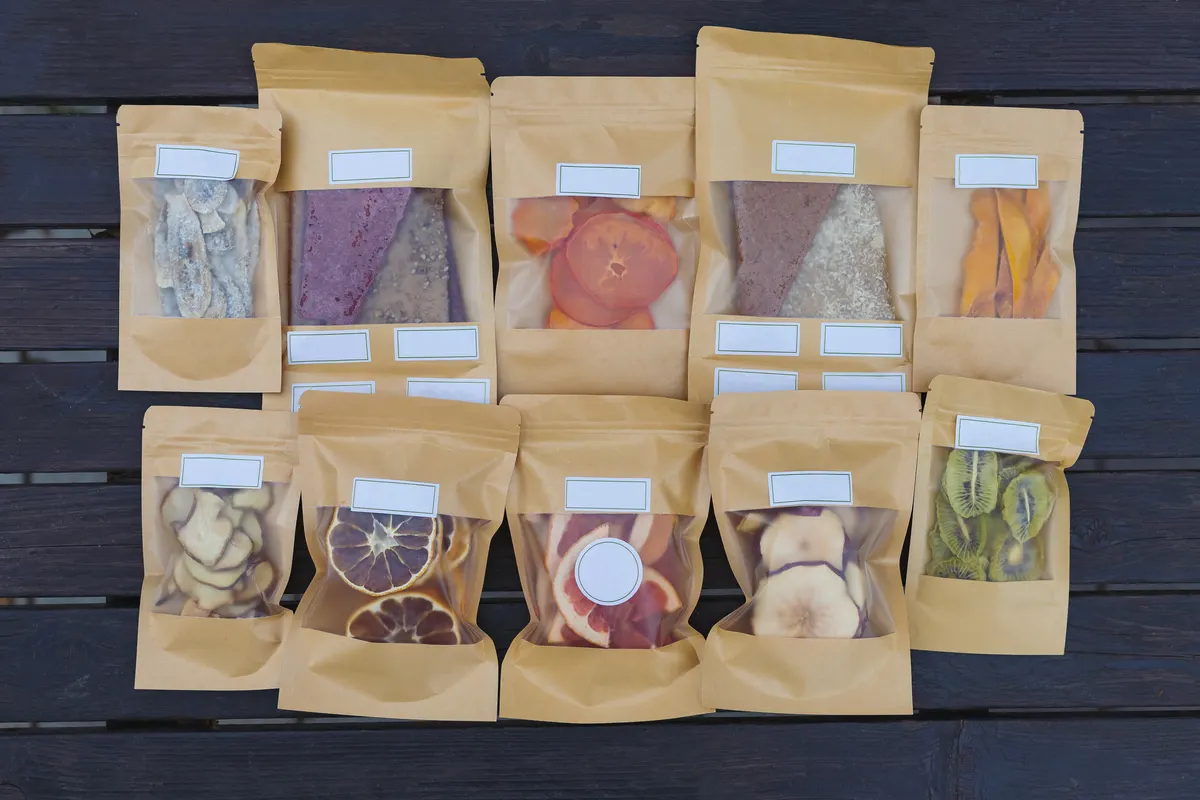
Healthy snack marketing agency: dried fruits packaged in eco-friendly paper bags. Healthy desserts concept.

Snack shoppers choose on the ingredient list, then on habit

Snack brands lose money on the first order, not the tenth. One bag of crackers or fruit strips cannot carry postage, so the store either absorbs the shipping cost or watches carts die at the shipping line. The brands that make the arithmetic work sell a variety pack first, learn which flavour the household keeps finishing, then move that customer onto a box that arrives on a set day without being asked for again.

We work with snack brands that already sell online, whether the range is baked chickpeas, seaweed, popcorn, fruit strips or grain-free crackers. The plan looks at the four numbers behind your revenue and names the one costing you most right now: how many people find the brand, how many of them finish checkout, how large the order is, and how many households are still buying six months later.

The first read on a snack page is not the flavour, it is the panel. Shoppers scan for the sweetener, the oil, the protein and fibre per serving, and the allergen line, and they do it in seconds. If your product page hides those in an image of the nutrition label, the shopper who cares most about them cannot find them and leaves. The brands that convert put the ingredient list and the per-serving numbers in readable text, high on the page, in the same words shoppers use: no added sugar, no seed oils, nut free facility, certified gluten free.

The second read is quantity. A snack is eaten, not owned, so a shopper who likes the look of it still has to decide how much to risk. A single bag feels safe but costs too much in postage. A twenty-four count box of one flavour feels like a commitment to a taste they have never tried. The pack that solves both is a mixed box that covers postage and lets the household find its favourite.

After that box empties, buying becomes routine. A household with children goes through snacks on a weekly rhythm, and the store that shows up a few days before the cupboard is bare is the store that gets the reorder rather than the supermarket shelf.

Where healthy snack brands
lose revenue

The four levers, in this niche.

Visitors

Dietary searches bring the traffic, not brand names

Almost nobody searches your brand until after they have eaten your product. They search for gluten free crackers, low sugar snacks for kids, high fibre snacks and nut free lunchbox snacks. We build Shopping and search coverage around those dietary and occasion phrases, then split the terms that bring parents buying for lunchboxes from the terms that bring adults buying desk snacks, because the two groups land on different pages and buy different pack sizes.

Conversion rate

Ingredients, allergens and count above the fold

Snack shoppers abandon over unanswered questions rather than price. Put the full ingredient list, the per-serving protein, fibre and sugar, the allergen and shared-facility statement, the bag count and the net weight in plain text where a shopper sees them without scrolling. Add the free-shipping threshold to the product page so the postage cost is never a surprise at the cart. Those two changes usually move more orders than a new discount does.

Average order

The mixed box instead of the single bag

A variety box is the natural first purchase for a snack brand and the fastest way to lift order value. It covers postage, it removes the risk of buying a case of a flavour the household dislikes, and it tells you which flavour to offer next. Price it so the per-bag cost sits below the single bag, make it the hero on the homepage and in ads, and keep single bags available for people who already know what they want.

Repeat purchases

A cadence that matches how fast the cupboard empties

Snacks are consumed on a predictable weekly rhythm, and that rhythm depends on household size. Ask how many people are eating them, then set the subscription interval to match rather than defaulting everyone to a month. Let subscribers swap flavours between shipments, because flavour fatigue is the main reason snack subscriptions get cancelled. A skip button and an easy swap keep more customers than a cancellation discount.

What we do for
healthy snack brands

Five channels, one plan.

Google Shopping and search

Shopping campaigns built around dietary terms and pack size

Search demand for snacks is organised by what the shopper is avoiding. Gluten free, dairy free, nut free, low sugar, keto, high protein and vegan are the phrases that carry intent, and a Shopping tile wins that click when the title carries the claim, the flavour, the bag count and the net weight rather than only your brand and a product name.

We split campaigns by pack format because the economics differ. Single bags rarely pay for their own click, so they get a small budget and are used to feed remarketing. Variety boxes and multi-count cases carry the spend, and the landing page for those terms is the box, never a single bag that then asks the shopper to build their own order.

Occasion terms move on a school calendar. Lunchbox and back-to-school searches climb in late summer, office and desk-snack terms follow the return to work, and both fade over the winter holidays when the same shoppers are buying gifts instead. Budget follows that curve rather than sitting flat all year.

Meta and TikTok

Meta and TikTok creative that stays inside the claims rules

Snack creative works when it shows the food being eaten in a real moment: a lunchbox being packed, a bag opened at a desk, a child grabbing one without being asked. What it must not do is speak to the viewer's body. Meta's rules on personal attributes mean copy cannot imply you know something about the reader's health or weight, and before-and-after style framing gets ads rejected or restricted, so we write about the ingredient list and the eating occasion instead.

The strongest hook for this niche is usually the label read aloud. Turning the bag over and reading the four ingredients is more persuasive than any lifestyle shot, and it survives the scroll because it answers the question the viewer already had.

Audiences that convert are people who viewed a variety box without buying, past single-bag buyers who have never tried a second flavour, and lookalikes built from active subscribers rather than all customers, since subscribers share a habit and one-time buyers only share a curiosity.

Merchant Center and the feed

Feed attributes for multipacks, weights and flavours

Merchant Center treats snacks as ordinary food, so approval is rarely the problem. Accuracy is. Every listing needs a correct net weight, and multi-count products need the multipack attribute set to the number of identical units inside, while a mixed variety box is a bundle of different items and should be described as one. Getting that wrong makes a case of twelve look like a single bag with an alarming price.

Flavours belong in one item group so Google understands they are the same product in different varieties, each with its own image and its own barcode. Unit pricing helps shoppers compare a six pack against a twenty-four pack and is expected in several markets for packaged food.

One attribute is regularly misread. The expiration date field in the feed controls when the offer stops running, not the best-before date on the bag, so short-dated stock is managed through availability and quantity rather than by putting the pack date in that field.

SEO and AI search

Pages that answer ingredient and allergen questions in text

Shoppers ask assistants the questions your packaging answers: is this snack gluten free, does it contain seed oils, how much sugar is in one bag, is it made in a facility that handles peanuts, is it suitable for a two year old. An assistant cannot read the nutrition panel if it only exists as a photograph, so the single most useful SEO change most snack brands can make is to write those numbers and statements out as text on every product page.

Collection pages should follow the way people shop rather than your internal ranges. A page for nut free snacks, a page for low sugar snacks and a page for lunchbox snacks each open with a direct answer and then list the products that qualify.

Comparison and use content earns citations when it is honest about what the product is not. A page explaining what is in the bag and who it does not suit gets quoted more often than one that claims the snack is right for everyone.

Email and SMS

Flows keyed to the box running out

The first message after delivery is not a sales message. It asks which flavour got eaten first and offers two ways to serve the rest, because a household that has used the product is a household that will finish the box. That reply also gives you the flavour preference that makes every later email specific.

The reorder flow estimates the empty date from the count in the box and the household size the customer told you about at checkout or in that first reply. For a family box that is often two to three weeks, for a single desk snacker considerably longer. Sending on the same fixed schedule to both groups wastes the message on one of them.

Subscribers get a pre-charge note with a swap link, a flavour launch announcement, and a pause option that offers a longer interval before it offers a cancellation. Back-in-stock alerts matter more here than in most food niches, because snack buyers attach to one flavour and will wait for it rather than accept a substitute.

First three fixes

What the plan usually starts with for healthy snack brands.

  1. Write the nutrition and allergen facts as text

    Move the ingredient list, the per-serving numbers, the allergen line and the shared-facility statement out of the label image and into the page copy so both shoppers and AI assistants can find them.

  2. Make a mixed box the hero product

    Lead the homepage, the ads and the landing pages with a variety box priced below the per-bag cost of singles, and set the free-shipping threshold just under it so postage stops killing carts.

  3. Set subscription intervals by household size

    Ask how many people eat the snacks, then offer an interval that matches, plus a flavour swap between shipments. Flavour fatigue cancels more snack subscriptions than price does.

Questions from healthy snack brands

The click cost and the postage together are usually larger than the margin on one bag. The answer is not a higher bag price but a different hero product. Advertise the variety box, let the bag exist for people who already know the brand, and set your shipping threshold just below the box price.

You can describe what is in it and what is not: the ingredients, the sugar per serving, the certifications you actually hold. What causes trouble is claiming a health outcome or writing copy that implies something about the reader's body, which ad platforms restrict. Stick to the label and the eating occasion.

By selling what a grocery aisle cannot: the full ingredient list before purchase, flavours that never get shelf space, a box sized for a household, and delivery timed to the week the cupboard empties. Your pages and flows should keep those differences in front of the customer.

Yes, with a different range. Use the store for variety boxes, larger counts, new flavours and limited runs that retail buyers have not taken, so a shopper who found you on a shelf has a reason to buy direct rather than repeating the same purchase.

Handle it with availability, quantity and a dedicated clearance page rather than by editing feed dates, since the expiration field in the feed governs the offer rather than the food. A short-dated bundle emailed to past buyers usually clears faster than a public discount.

Enough to find a favourite and few enough to decide. A box with four to six flavours works better than a full-range sampler, because a very large mixed box raises the price past the point where a first-time buyer will risk it.

Other food & beverage stores we work with

Send your healthy snack brand store.

The plan says which lever is leaking and what to fix first, for your store as it is today.

Store, name, email and phone. A person replies from a real inbox. Privacy

Get your free growth plan