Skip to content

Bird feeder & wildlife marketing agency

Marketing for bird feeder and wildlife stores: heavy seed shipping, species specific feeding, migration timing and a weekly winter reorder habit.

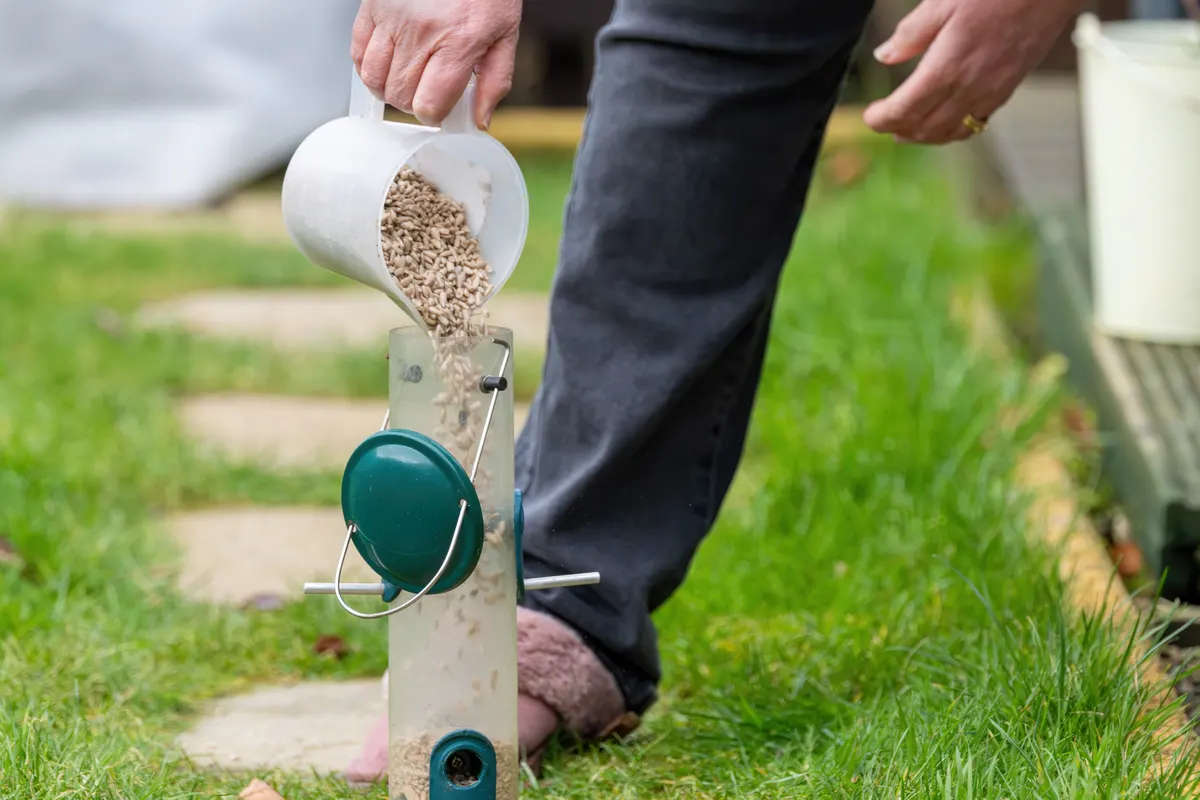
Bird feeder & wildlife marketing agency: person filling garden bird feeder with sunflower seeds outdoors.

How wildlife customers buy

Feeding birds is a habit, and habits are the best thing a store can sell. A customer with a full garden feeding station goes through seed every week or two through the cold months, and once they have decided which birds they want to attract they buy the specific food those birds eat rather than whatever is cheapest. The problem is that seed is heavy, low margin per kilogram and expensive to post, so the whole business rests on order size and reorder frequency rather than on any single sale.

We write growth plans for bird feeder and wildlife stores that already sell online. The plan covers species led merchandising, the seasonal and migration timing that drives demand, the shipping arithmetic behind heavy seed, and the accessory and habitat range that makes an order worth dispatching.

It also covers the hard truth that customers who buy cheap mixes rarely stay, while customers who learn what a goldfinch or a woodpecker actually eats become long term buyers of higher value food.

The starting point is almost always a bird. Someone wants goldfinches, or hummingbirds, or wants to stop the pigeons taking everything. That is a species question, and the answer is a food and a feeder together: nyjer in a fine mesh feeder, sunflower hearts in a tube, suet in a cage, nectar in a feeder that can be cleaned properly.

The second question is defensive. Squirrels, rats, larger birds and in some regions bears all interfere with feeding, and squirrel resistant designs, baffles, guardian cages and pole systems are bought as solutions to a specific frustration rather than as products in their own right.

Seasonality is strong and it runs opposite to most of the garden category. Feeding peaks through autumn and winter when natural food is scarce, then shifts in spring to nesting material, nest boxes and, in the right regions, hummingbird nectar timed to migration arriving at different weeks by latitude.

Quality shows up in the reorder. Cheap mixes padded with filler get thrown out of the feeder and the customer decides feeding is messy and wasteful. A store that explains why a mix works, and sells food that birds actually eat, keeps the customer through several winters. Freshness matters too, since stored seed can carry moth infestations that arrive with the parcel.
Where bird feeder & wildlife stores
lose revenue

The four levers, in this niche.

Visitors

Visitors: rank for the bird, not the bag

People search for species and problems: how to attract goldfinches, what do robins eat, squirrel proof bird feeder, when to put out hummingbird feeders. Collections and content organised by species and by nuisance solve those searches far better than a page called bird food. Paid budgets follow the feeding season, rising strongly through autumn and winter, with a distinct spring campaign for nest boxes, nesting material and regionally timed nectar feeding.

Conversion rate

Conversion: say which birds this actually attracts

Every food and feeder page should name the species it suits, the feeder type it needs, the seed size and whether it is husked, and whether it is likely to attract unwanted visitors. Nest boxes need hole diameter matched to species and mounting height and aspect. Say how the feeder is cleaned, because hygiene matters to conscientious customers and to the birds. Publish weight, coverage and roughly how long a bag lasts on a typical feeding station.

Average order

Order value: the shipping maths demands a bigger basket

Heavy goods punish small orders, so the merchandising job is to raise the basket every time. Larger sacks with clear price per kilogram, multi buy pricing, a food and feeder pairing for each species, plus poles, baffles, water dishes, cleaning brushes and storage bins. Set free delivery just above a sensible seed and accessory order, and be explicit that ordering more at once costs less to deliver, which customers understand and accept.

Repeat purchases

Repeat purchases: weekly through the winter

This is the fastest natural reorder cycle in outdoor living. A busy feeding station empties quickly, and consumption can be estimated from the number and type of feeders a customer runs. Subscription suits it well, with delivery frequency increasing through the cold months and easing in summer. Seasonal prompts fill the rest of the year: nesting material in early spring, nectar when hummingbirds are due locally, and a clean and refill reminder before the first frost.

What we do for
bird feeder & wildlife stores

Five channels, one plan.

Google Shopping and search

Google Shopping and search ads for bird food and feeders

Titles need the species and the food type, because that is exactly how shoppers search. Nyjer Seed 2kg for Goldfinches and Squirrel Resistant Seed Feeder with Guardian Cage both answer the query at the tile. Campaigns split into food, feeders, nest boxes and wildlife habitat, since their seasons and margins differ.

Seed campaigns should be judged on customer value rather than on the first order, because a first bag at thin margin turns into a winter of reorders. Weight based shipping rates must be exact, as heavy sacks sent at a flat rate lose money on every order. Search ads take the species and problem queries where copy can name the solution, and negative keywords remove chicken feed, pet bird and wild game feed traffic if those are not lines you carry.

Meta and TikTok

Meta and TikTok ads for wildlife products

This is one of the most naturally shareable niches in the garden category, because the content is birds. Close footage of a woodpecker on a suet feeder, a nest box camera, a squirrel failing to defeat a baffle, a garden filling with finches after a feeder change. That material performs organically as well as paid, which lowers acquisition cost over time.

Educational creative works because most people feed birds slightly wrong. Which foods attract which species, why feeders need cleaning, when to stop or start feeding in a given region, how to site a feeder safely away from cats and windows. Prospecting targets nature, gardening and photography interests and skews to an audience that stays loyal for years. Retargeting is best served with a species pairing or a starter station rather than a discount on a single bag.

Merchant Center and the feed

Merchant Center and the feed for wildlife products

The critical fields here are weight and unit pricing. Seed sold in several sack sizes should be variants under one item_group_id with sizes stated in the unit customers compare, so a shopper can see price per kilogram rather than guessing. Shipping weights must be exact, because the difference between a small bag and a large sack decides whether an order is profitable.

Category placement should be animal and pet supplies rather than food, since a wild bird seed listing categorised as human food can be reviewed against the wrong policies. Live foods such as mealworms need clear description and appropriate handling information. Feeders and nest boxes benefit from product highlights naming the species suited and hole sizes. Images should be clean product shots without text overlays, with birds using the product in the additional image slots.

SEO and AI search

SEO and AI search for wildlife products

Questions in this category are constant, specific and seasonal, which suits both search and assistants. What do goldfinches eat, when should I take down my hummingbird feeder, what hole size for a blue tit box, how do I stop squirrels emptying my feeder, is it bad to feed birds in summer.

We build a species hub with a page per common garden bird covering food, feeder type, siting and season, a nuisance and deterrent section for squirrels, rats and larger birds, and a nest box guide organised by hole diameter and mounting. Regional and seasonal timing pages cover migration arrivals and departures where relevant, updated each year rather than rewritten. Feeder hygiene and disease guidance is worth publishing carefully and responsibly. Product pages name the species and food type as structured text so assistants can match them to a question accurately.

Email and SMS

Email and SMS for wildlife products

Email should run on the customer's feeding station rather than a generic timer. Capture which feeders they have and roughly how busy the garden is, then estimate consumption and time the reorder message to arrive shortly before they run out, with the same food one click away.

The seasonal calendar carries the rest. Autumn brings the pre winter setup message about cleaning, siting and stocking up. Deep winter is the peak reorder period and deserves the most attention, including cold snap messages when feeding demand rises sharply. Spring shifts to nesting material and boxes, then to nectar timed to when hummingbirds actually arrive in the customer's region. Summer is quieter and suits content about water, hygiene and garden habitat. SMS works for cold snap alerts and for delivery of heavy sacks.

First three fixes

What the plan usually starts with for bird feeder & wildlife stores.

  1. A catalogue organised by product instead of by bird

    The store lists seed types and feeder shapes, but customers arrive wanting a particular species in their garden. We build species led collections and content that pair the right food with the right feeder, so the shopper buys a working combination rather than a bag that gets emptied onto the ground.

  2. Flat shipping on heavy sacks

    One delivery rate is applied to a small bag and a large sack, so big orders lose money and small ones deter customers. We rebuild rates by weight, publish price per kilogram, and set thresholds and multi buys that make a larger, more profitable order the obvious choice.

  3. No reorder rhythm through the busiest season

    Winter customers run out and buy locally, then never return to the website. We estimate consumption from the feeders they own, time reminders to land before the store cupboard empties, and offer a subscription that increases frequency in the cold months and eases off in summer.

Questions from bird feeder & wildlife stores

Because that is how customers think and search. Someone wants goldfinches or wants to stop pigeons taking everything, not a category called seed. Pairing the correct food with the correct feeder for each species produces a setup that works, which is what turns a first order into a habit, and it captures search demand that a generic bird food page never will.

By pricing delivery on weight and by making larger orders attractive. Publish price per kilogram, offer multi buy pricing on sacks, sell storage bins that make bulk buying practical, and set the free delivery threshold just above a realistic seed and accessory order. Customers accept that heavy goods cost more to send when the pricing is explained rather than hidden.

In autumn and winter when natural food is scarce, which is the opposite of most garden categories. Cold snaps produce sharp short spikes on top of that. Spring shifts demand towards nest boxes and nesting material, and in regions with hummingbirds the nectar season begins on different weeks depending on latitude, so timing that message by region matters.

Yes, and visibly. Mixes padded with filler grains get thrown out of the feeder by birds, which makes the garden messy and convinces the customer that feeding is wasteful. Explaining what is in a mix and which birds eat which components leads people towards food that gets consumed, and those customers reorder for years.

Be straightforward about it. Feeders need regular cleaning because dirty feeding stations can spread disease among garden birds, and this is a genuine concern for the people most likely to become long term customers. Publish cleaning guidance, sell brushes and suitable cleaners, and design the seasonal email calendar so a cleaning reminder arrives before the heaviest feeding period.

Other garden & outdoor living stores we work with

Send your bird feeder & wildlife store store.

The plan says which lever is leaking and what to fix first, for your store as it is today.

Store, name, email and phone. A person replies from a real inbox. Privacy

Get your free growth plan