Skip to content

Gardening tool marketing agency

Marketing for gardening tool brands: steel and handle specs, spare parts and blades, gift season demand, and buyers with grip or arthritis needs.

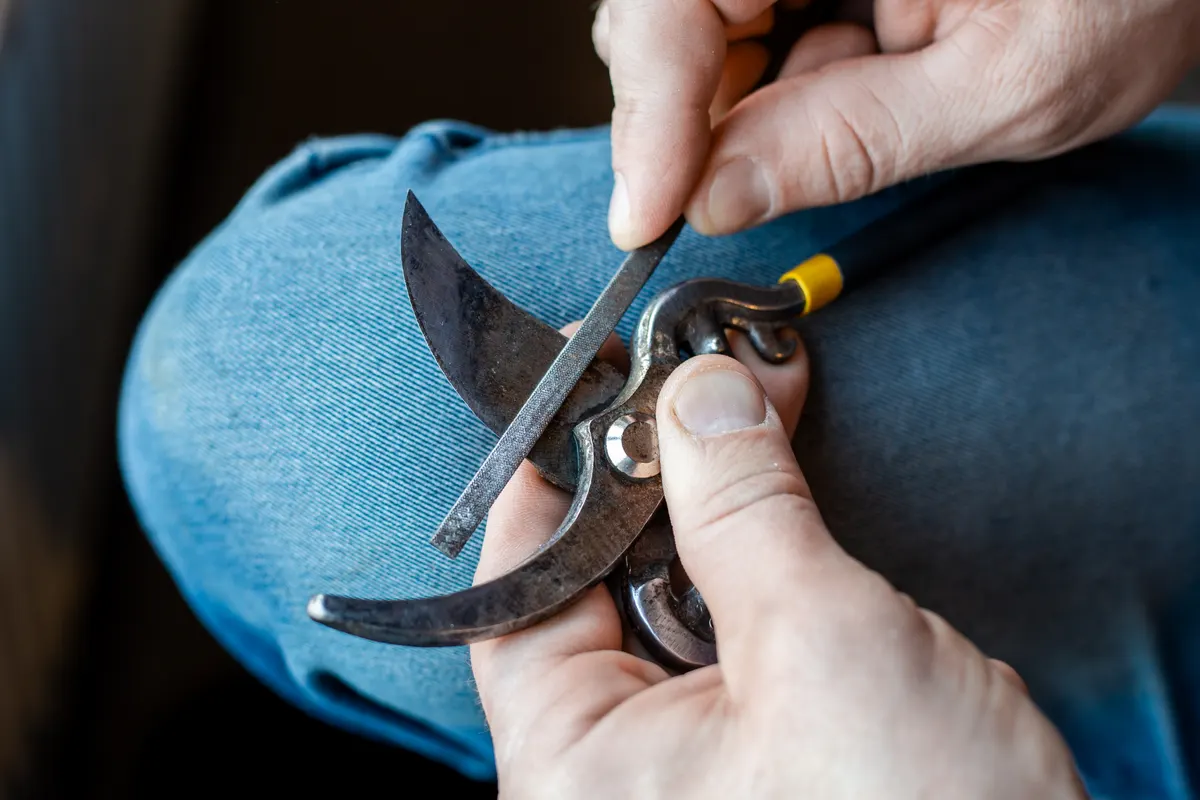
Gardening tool marketing agency: a man sharpens the blade of a garden pruner with a file. Garden tools.

How a gardener chooses a tool

A gardening tool is bought twice: once as a purchase and once as a decision to keep buying from you. Someone who spends real money on a pair of bypass secateurs is choosing a tool they expect to own for twenty years, which means they read the steel, the handle material, the blade replacement policy and whether spare springs exist before they read the price. Get that right and you own their trowel, their loppers and every gift they buy for another gardener.

We write growth plans for gardening tool brands that already sell online. The plan covers the specification detail these buyers actually compare, the spare parts catalogue most brands hide or never list, the two gift peaks that carry a large share of the year, and the accessibility questions that a surprising number of your customers arrive with.

It also handles the practical feed problem in this niche, where one tool exists in left handed, small hand and standard versions and the differences never make it into the listing.

There are two buyers and they behave differently. The first is replacing something that broke or disappointed them. They arrive angry, they know exactly what failed, and they search for the thing that will not fail again: forged rather than pressed, stainless rather than carbon, a spade with a strapped socket rather than a welded one. Specification wins that sale.

The second is buying a gift. They know the recipient likes gardening and nothing else, so they need the store to do the choosing. Curated sets, a price bracket, a gift box and a clear delivery date decide it. That buyer arrives in the weeks before Christmas and again around the spring gifting occasions, and they will pay more for presentation than the first buyer ever would.

Underneath both sits a group of customers with hand pain, arthritis or reduced grip strength, and they search in that language. Ratchet loppers, lightweight long handled tools, cushioned grips, tools that can be used seated. Very few brands write pages for them, and the ones that do get the whole order.

After the sale, tools create their own follow up. Blades dull, springs get lost, handles break, and a brand that sells the replacement instead of the whole tool keeps the customer for a decade.
Where gardening tool brands
lose revenue

The four levers, in this niche.

Visitors

Visitors: capture the replacement search and the gift search

Tool demand splits into specification queries and gift queries, and they need different pages and different budgets. Replacement buyers search for materials and mechanisms, so collections built around forged stainless spades or ratchet loppers meet them properly. Gift buyers search by recipient and price, so gifts for gardeners under a set amount needs to be a real page rather than a filter. We run both, with gift budgets scaled up for the December and spring occasions and specification budgets steady all year.

Conversion rate

Conversion: publish the specification a serious buyer wants

A tool page converts on detail. Blade steel and hardness, handle material and length, total weight, cutting capacity in millimetres, whether the head is forged or pressed, whether blades and springs are available separately, and the terms of any repair or replacement scheme. Add a hand size or grip note and a left handed option where you make one. Photographs held in a hand give scale that a white background shot never does, and a short video of the mechanism working settles the choice.

Average order

Order value: sets, sharpening and storage

Tool baskets grow through complements rather than upsells. A sharpener and blade oil belong with every cutting tool, a holster or tool roll with the hand tools, a gift box with anything bought in December. Sets that solve a job, such as a pruning kit or a new allotment starter, sell better than an arbitrary three piece bundle. Because tools are durable and rarely discounted, presentation and completeness raise the basket more reliably than any promotion would.

Repeat purchases

Repeat purchases: sell the parts, keep the customer

A brand that lists every spare blade, spring, nut and handle turns a one off tool sale into a twenty year relationship. Publish the parts, make them findable from the tool page, and send a sharpening and maintenance prompt at the end of the pruning season. Gift buyers repeat annually and should be reminded before the same occasion comes round again. A customer who has kept your secateurs working for five years buys your loppers without comparison shopping.

What we do for
gardening tool brands

Five channels, one plan.

Google Shopping and search

Google Shopping and search ads for garden tools

Garden tools have real barcodes and clear competitors on the tile, so Shopping is a price and image contest unless the title does more work. Titles should carry the tool type, the mechanism and the material that justifies your price, so Bypass Secateurs Forged Stainless Steel Replaceable Blade tells the story before the click.

Campaigns are split by tool family, since pruning, digging, watering and power assisted tools all behave differently, and again by gift sets which need their own budget and their own seasonal ramp from late October. Search ads take the queries a tile cannot answer, such as loppers for arthritic hands or the best spade for clay soil, where the ad copy can name the feature that matters. Spare parts deserve their own low budget campaign because those searches are highly specific, cheap to serve and lead to loyal customers who bought the tool years ago.

Meta and TikTok

Meta and TikTok ads for garden tools

Tools demonstrate well, which makes video the strongest creative in this niche. A clean cut through a thick branch, a spade going into heavy clay, a ratchet mechanism doing the work for a weak grip, a blade being replaced in thirty seconds. Each of those answers an objection more convincingly than a paragraph.

Gift creative is a separate campaign with separate imagery, built around presentation, price bracket and delivery cut off, and it should run from late October rather than December. Accessibility content performs quietly and consistently: a short clip showing how a ratchet lopper or a lightweight long handled tool reduces effort will reach an audience nobody else is speaking to. Prospecting targets gardening, allotment and home improvement interests, and retargeting is best served by the maintenance and parts message rather than a discount, since these buyers are choosing on durability.

Merchant Center and the feed

Merchant Center and the feed for garden tools

Tools are a straightforward feed category as long as variants and parts are handled properly. Most products carry a manufacturer barcode, so GTIN, brand and MPN should all be populated, which improves how Google matches your listing to searches and to competing offers.

The common mistake is variants. A tool made in left handed, small grip and standard versions, or a spade with a T handle and a D handle, needs an item_group_id and a differentiating attribute so each version can be advertised to the shopper who needs it rather than collapsed into one listing. Spare blades and parts should be in the feed too, with the compatible model in the title, since that is how customers search for them. Product highlights are useful for cutting capacity and weight. Images must be clean product shots without added text, and lifestyle images showing the tool in a hand belong in the additional image slots.

SEO and AI search

SEO and AI search for garden tools

Shoppers ask assistants comparison and durability questions: what is the difference between bypass and anvil secateurs, which spade for stony ground, how to sharpen loppers, are stainless tools worth the extra. A tool brand that publishes honest, mechanically accurate answers becomes the source those responses draw from, including the recommendation.

We build a tool guide library covering each mechanism and material, a sharpening and maintenance section that keeps existing customers on site, and choosing guides organised by job and by soil type. Accessibility deserves its own hub covering grip strength, arthritis, seated gardening and lightweight options, written properly rather than as a marketing gesture. Collection pages are written by tool family and by use, and every product page links to its own spare parts, which both helps customers and gives search engines a reason to index the parts catalogue.

Email and SMS

Email and SMS for garden tools

Tools do not reorder, so the email programme has to create reasons to return. The strongest is maintenance. A seasonal sequence covering sharpening before pruning season, cleaning and oiling before storage, and blade replacement when a tool is a few years old keeps the brand present and sells parts at the same time.

The second is the gift calendar. Customers who bought a gift set last December are the warmest audience for the next one, and a reminder sent in early November with the delivery cut off does most of the work. Registration or warranty sign up at the point of purchase gives you the model owned, which makes every later message specific: the right blade, the right spring, the right handle. Post purchase emails should teach correct use, since misuse is the most common cause of a broken tool and a returned order. SMS is best kept for delivery cut offs in gifting season.

First three fixes

What the plan usually starts with for gardening tool brands.

  1. Spare parts that exist but cannot be found

    Replacement blades and springs are stocked in the warehouse but never listed online, so a customer with a five year old tool buys a new one from someone else or nothing at all. We build the parts catalogue as real products, link every tool to its own parts, and put the compatible model in the title so the search finds it.

  2. Left handed and small grip versions collapsed into one listing

    The store makes three versions of a tool but sells them as one, so the customer who needs the small grip cannot tell whether it exists. We split them into proper variants with an item_group_id, describe the difference in plain terms, and give each version its own place in collections and in the feed.

  3. Gift buyers arriving to a specification page

    In December the traffic is people who do not garden, landing on pages written for people who do. We build gift collections by price and recipient, add presentation, boxing and delivery date information, and run those as a separate campaign from late October rather than repurposing the everyday pages.

Questions from gardening tool brands

Blade or head material and whether it is forged or pressed, cutting capacity in millimetres, handle material and length, total weight, and whether blades and springs can be replaced. Serious buyers compare those directly. Adding hand size, left handed availability and a short video of the mechanism working covers almost every question the rest will ask before buying.

Yes, and it is one of the most underused opportunities in this niche. Parts searches are specific, cheap to serve and come from people who already own and like your tool. Listing them also signals that the tool is built to last, which helps the original sale. Put the compatible model in the part title so it can be found years later.

Enough to plan around. The weeks before Christmas and the spring gifting occasions bring a distinct audience who are not gardeners and cannot judge specifications. They need curated sets, clear price brackets, presentation and a stated delivery cut off. Building those pages and campaigns in late October rather than December is what captures that demand.

Yes, because a real group of customers searches exactly that way and very few brands answer them. Ratchet mechanisms, lightweight materials, longer handles, cushioned grips and tools that can be used seated all deserve a page written honestly about who they help. Those pages also perform well in assistant answers, where the question is asked in plain language.

By selling maintenance and range rather than replacement. A sharpening prompt before pruning season, a cleaning and oiling reminder before storage, and a blade replacement message a few years in all bring customers back. Beyond that, a gardener who trusts your secateurs will buy your loppers, your spade and your gifts without shopping around.

Other garden & outdoor living stores we work with

Send your gardening tool brand store.

The plan says which lever is leaking and what to fix first, for your store as it is today.

Store, name, email and phone. A person replies from a real inbox. Privacy

Get your free growth plan