Vegan supplement shoppers disqualify products faster than any other health audience. One line about a gelatin capsule, lanolin sourced vitamin D or fish oil ends the visit, and it usually ends it before the shopper has read anything else on the page. That makes sourcing detail the whole conversion story in this niche, and it is the thing most stores bury three clicks down.
We work with vegan supplement brands already selling online, from a single B12 to a range covering plant proteins, algal omega, lichen derived D3, iron and multivitamins. The free written growth plan says which of the four numbers, visitors, conversion rate, average order or repeat purchases, is limiting the store and what we would change first. It is a base fee plus growth share, month to month.
The advertising rules that apply to any supplement apply here too. Google's unapproved substances policy, Meta's personal health rules and Merchant Center's review of the landing page all bite the same way, so pages are written from sourcing facts rather than from statements about the body.
Before anything else, this shopper checks what the product is made of and what it is made in. Not the active ingredients, the everything else.
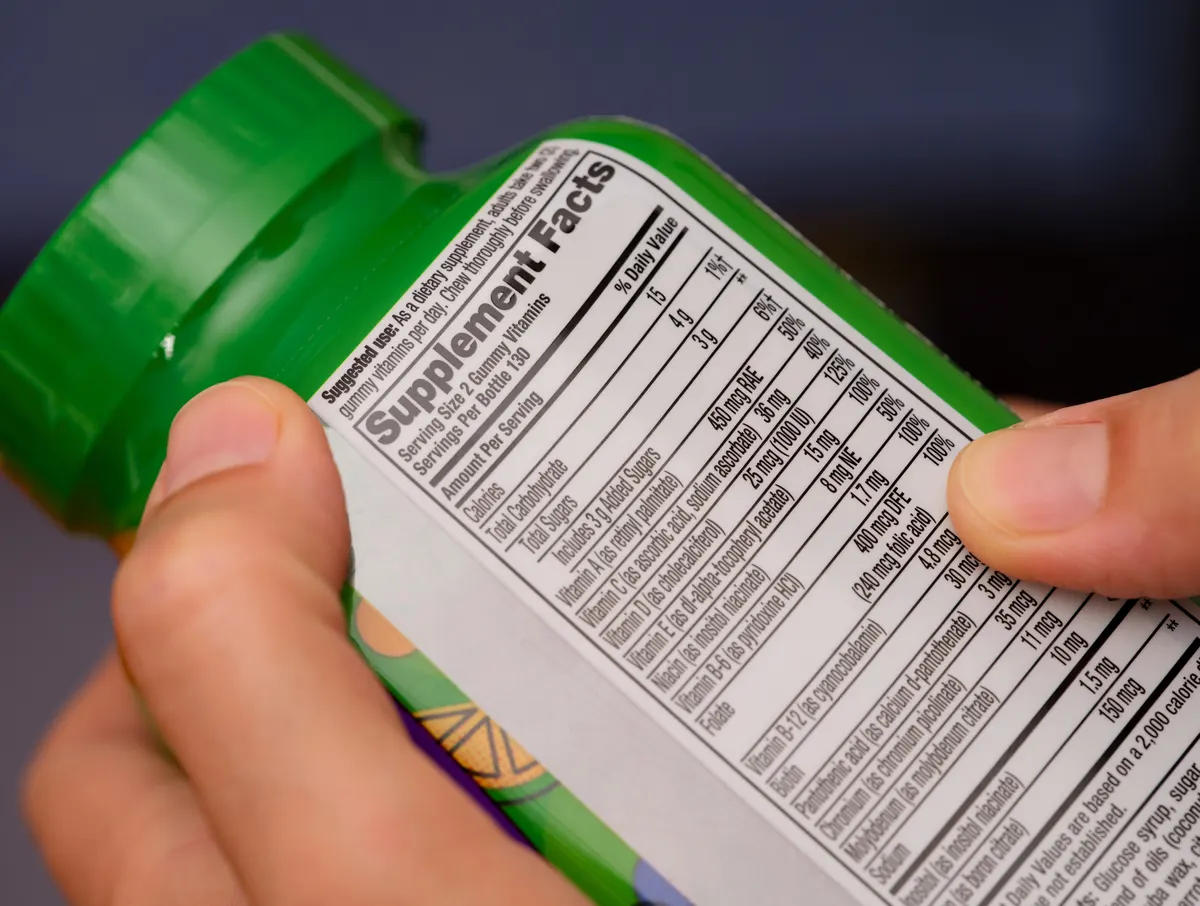
The capsule shell comes first. Plant based cellulose or gelatin decides the sale on its own, and a page that says vegetarian capsule without saying which is read as evasive. Gummies get the same treatment: pectin or gelatin, and whether the coating uses beeswax or carnauba.
Then the source of each nutrient. Vitamin D3 from lichen rather than sheep lanolin, omega fatty acids from algae rather than fish, B12 form named, iron form named, calcium source stated. Vegan buyers know which nutrients commonly come from animals and they look for each one specifically.
Certification is the shortcut that saves them the work. A recognised vegan certification mark on the pack and on the page answers the whole list at once, and it is worth showing prominently if you have it.
After that come the questions any supplement shopper asks: dose per serving, servings per pack, third party testing, allergens and price per day. Many will also ask about the manufacturing line and whether products are made alongside animal derived ones, which is a fair question and better answered plainly than avoided.