Skip to content

Model kit marketing agency

Growth for online model kit stores: scale and kit number search, what is in the box, aftermarket fitment, paint systems and ground-only cements.

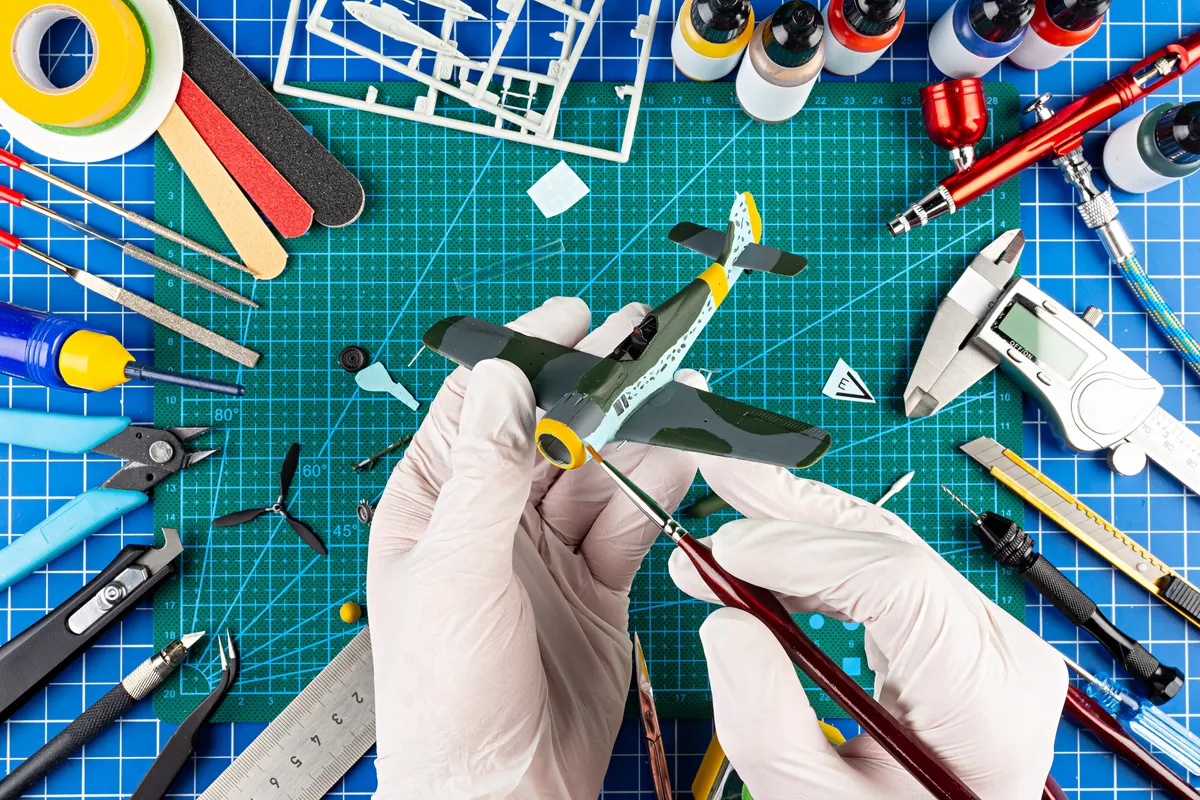
Model kit marketing agency: desktop view from above of assembly and painting of retro scale model fighter plane concept background. modeling tools airbrush gun paint kit parts blue green cutting mat knife and brush work desk.

How builders choose a kit and everything the build needs

A model kit store sells to a builder who already knows the scale. They want a 1/48 aircraft, a 1/35 armour subject or a particular Gunpla grade, and they often know the kit number before they search. The box is one purchase. The build is many: primer, thinner, cement, filler, sanding sticks, masking tape and blades run out on every project, while the airbrush and the cutters are bought once.

That split runs through the store. Kits sell on subject, scale and what is in the box, down to the photo-etch fret and the marking options on the decal sheet. Aftermarket sells on fit, because a detail set is cut for one kit from one maker. Paint sells on system, since acrylics, enamels and lacquers thin and cure differently and builders stay with what they know.

We work with model kit stores that already sell online and want visitors, conversion rate, order value and repeat purchases to move together. The growth plan is free and written for your store. If you take it further, the fee is flat and monthly.

A builder starts with a subject and a scale, and the scale is not negotiable. Someone who builds 1/35 armour will not take the same subject in 1/48, because the shelf and the collection are in one scale. So the first filter on the store is scale, then subject, then manufacturer, then kit number.

Once the kit is chosen, the questions are about the box. Is it a new tooling or a reissue of an old mould. Does it include photo-etch, masks or resin parts. How many marking options are on the decal sheet, and are the decals thin enough to settle. Is it snap-fit or does it need cement. Part count and skill level tell a returning builder how long the weekend will be.

Then comes the shopping list the kit implies. Every colour in the painting instructions, the primer, the right thinner for that paint system, the cement, and the masking. A store that publishes the paint list for a kit turns one box into a full basket.

Aftermarket buyers search the other way round. They search the kit they already own plus the thing they want to add, so a detail set page has to name the exact kit and maker it fits.

Stock matters more than price. Reissues and limited runs disappear and come back, so builders check availability first and buy when they see it.
Where model kit stores
lose revenue

The four levers, in this niche.

Visitors

Scale, subject and the kit number

Builders search in a fixed order: scale, then subject, then maker, then the kit number printed on the box. We build collections and campaigns in that same order, put the kit number in titles and page text so the exact-number searches land, and run new toolings and reissues as short campaigns from announcement to arrival. Aftermarket gets its own pages keyed to the kits they fit, which catches searches the kit pages never will.

Conversion rate

What is actually in the box

A kit sells when the builder can see the sprues before buying. We put sprue shots, the decal sheet, the marking options, the part count and the skill level on the page, state whether the kit is snap-fit or needs cement, and give the finished length in the scale. Aftermarket pages name the exact kit they fit. Paint pages state the system, so nobody buys lacquer thinner for an acrylic set.

Average order

The paint list beside the kit

A kit on its own is a small order. The same builder needs the colours in the instructions, primer, the matching thinner, cement and masking tape. We publish the paint list for the kits you sell most, add it to the basket in one action, and put the detail set, the decal sheet and the masks for that kit under it. A free shipping line set at the kit-plus-paints total makes the full build the obvious basket.

Repeat purchases

Consumables run out on every build

Paint, thinner, glue, blades, sanding sticks and masking tape are used up project by project, so the reorder is predictable once you know the builder's pace. We time refill prompts to the length of the build they bought for, remember which paint system and which colours they use, and send restock notices for the reissues they missed. New toolings in a subject someone has bought before are the second reliable trigger.

What we do for
model kit stores

Five channels, one plan.

Google Shopping and search

Kit numbers in titles, paints grouped by line

Shopping for a kit store works because the searches are exact. A builder types a maker and a kit number, or a subject and a scale, so titles lead with maker, kit number, subject and scale in that order and the manufacturer part number goes in the feed as the kit number. Campaigns are split by scale and subject family, aircraft, armour, cars, ships and figures, because the price bands and the buying pace are different in each. Paints are too cheap to advertise one bottle at a time, so they run as one grouped campaign under the line rather than the colour, with the store's own paint list pages doing the selling. New toolings and preorders get a short campaign from announcement to arrival with the expected date in the feed. Reissues get restock campaigns that run only while stock is on the shelf. Search ads catch kit number queries and land on the exact product, not a collection.

Meta and TikTok

Builds in progress, weathering and the finished shelf

Modelling content works on video because the change is visible. A primer coat, a panel line wash, a chipping pass or a decal settling down are all short clips that hold attention and end on a product. We build ad sets by subject family, since an armour builder and a Gunpla builder respond to completely different creative, and separate beginners from experienced builders because one needs the skill level and the other needs the aftermarket. Full build series work as organic content and as retargeting: someone who watched the paint stage sees the paint set for that kit. Contest and show season is used as a reason to post, with entry deadlines as the hook rather than a promise about results. Comments are the best sales channel in this niche, because a straight answer about which thinner suits which paint earns the order. Creative shows the model at the stage the buyer is at, not only the finished piece.

Merchant Center and the feed

Kit numbers, paint variants and ground-only items

The feed has three different jobs in this store. Kits carry the maker as brand, the kit number as MPN, and a barcode where the box has one, with older or reboxed kits set to identifier exists false rather than given an invented number. Paints are variants of a line, so each colour sits under one item group id with the colour attribute set to the paint name and code, unit pricing set per millilitre so bottle sizes compare. Cements, lacquer thinners, primers and aerosols are dangerous goods, so they are flagged in the feed and in the shipping rules as ground only, excluded from any express or air service, and given delivery estimates that match reality, because a cancelled hazardous order costs more than the sale. Custom labels tag scale, subject family and whether an item is a current line, a reissue or aftermarket, so bids follow what actually restocks.

SEO and AI search

Scale, fitment and paint system questions

Builders ask assistants what 1/72 means next to 1/48, whether a kit needs glue, what photo-etch is for, which primer goes under a lacquer, whether a detail set fits the kit they own, and how to strip a bad paint job. Those answers get quoted from pages that state the fact and the reason, so we write a scale comparison page with real dimensions worked through, a paint system page covering thinners and cure times, a fitment index that lists every aftermarket item against the kits it is cut for, and a skill level guide that says which kits a first-timer can finish. Product pages carry the kit number, scale, part count and decal options as text. Build logs on the store's own site answer the searches that come from a kit number plus the word review, and they land on stock rather than an empty page.

Email and SMS

Build-length refills, restocks and new toolings

Email in a model store is timed to the build, not the month. A big multimedia kit takes weeks, a snap-fit kit takes an evening, so the follow-up after a kit purchase is spaced to match the box that was bought and opens with the paint list for it. The refill flow tracks the paint system and the colours a customer has bought and offers the bottles most likely to be empty, along with blades, sanding sticks and masking tape. Restock alerts are the strongest trigger in the niche, because reissues and short runs sell out: a customer registers interest on an out of stock kit and hears the day it lands. New tooling announcements go to buyers of the same subject family. Post-purchase mail carries the instructions link and the decal setting advice, which reduces the support questions and gets the second order. SMS is kept for restock and preorder open notices only.

First three fixes

What the plan usually starts with for model kit stores.

  1. Fix the missing sprue shots

    A kit page with only box art hides what the builder is paying for. Photograph the sprues, the decal sheet and any photo-etch, and state part count, skill level and whether cement is needed.

  2. Fix the aftermarket that does not say what it fits

    A detail set listed without its target kit will not be found or trusted. Name the maker and kit number it is cut for on the page, in the title and in the feed, and link it from that kit.

  3. Fix the cement order that gets cancelled

    Thinners, cements and aerosols cannot fly. Flag them as ground only in the feed and at checkout, exclude them from express services, and show the real delivery window before the customer pays.

Questions from model kit stores

Older boxings and limited reboxes often have no usable barcode. Set identifier exists to false, supply the maker as brand and the kit number as the manufacturer part number, and write the title so the number, subject and scale are all in it. Never invent a barcode to fill the field.

Rarely on their own, because the price of a bottle cannot carry a click. Paints earn their place as the second half of a kit order, so we group them by line in Shopping, publish paint lists for popular kits, and put the whole list into the basket from the kit page.

It starts at the announcement with a page carrying the kit number, scale and expected date, runs preorder ads with that date in the feed, mails builders who bought the same subject before, and switches to in stock messaging on arrival. Quantities stay at what the distributor has confirmed.

By indexing them against kits. Every photo-etch fret, resin set, mask and decal sheet gets its fitment listed on the page and appears on the product page of every kit it fits, so a builder who owns the kit finds the upgrade without knowing the aftermarket brand.

Yes, because grade decides the price, the part count and whether paint is needed. A short page mapping the grades to build time, size and finish, linked from every kit, answers the question shoppers and assistants both ask and stops beginners buying a kit they will not finish.

Other hobby & specialty stores we work with

Send your model kit store store.

The plan says which lever is leaking and what to fix first, for your store as it is today.

Store, name, email and phone. A person replies from a real inbox. Privacy

Get your free growth plan