Skip to content

Yarn & knitting marketing agency

Growth for online yarn stores: pattern-led quantities, dye lots and metres per skein, weight categories, hand-dyed shop updates and the autumn knitting season.

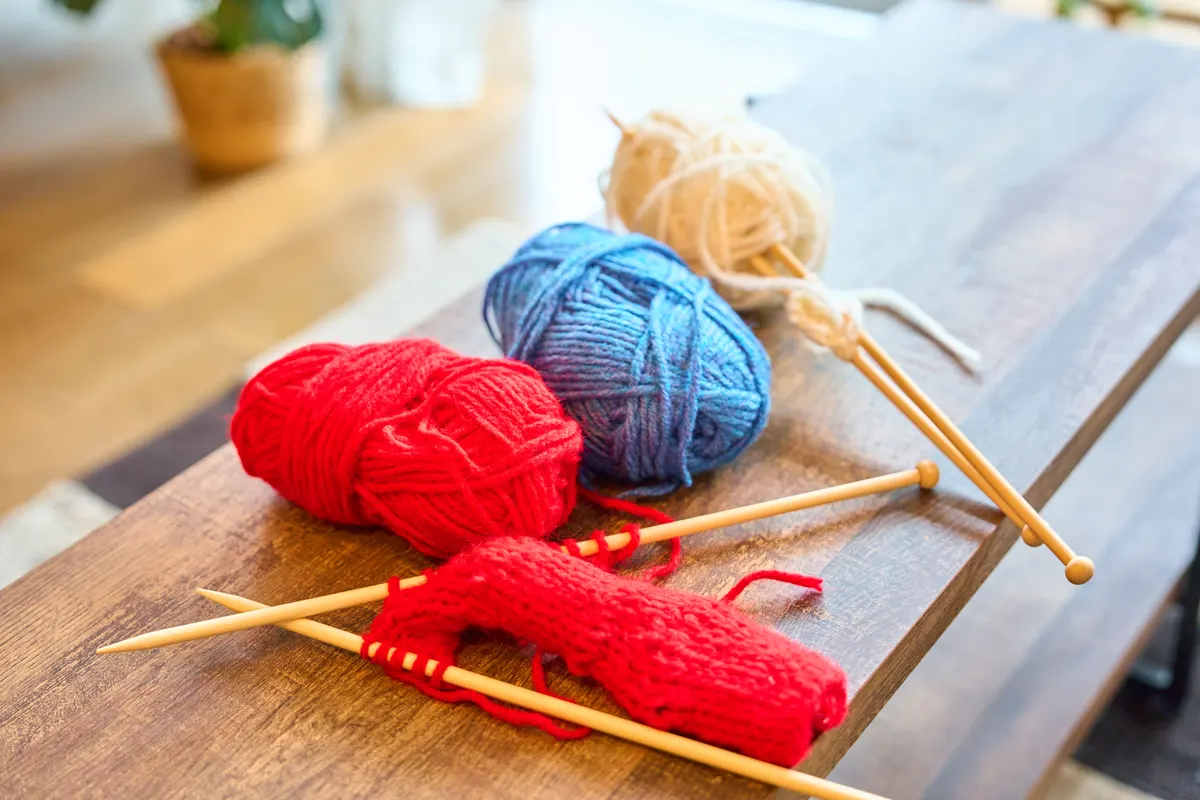
Yarn & knitting marketing agency: colorful yarn balls and knitting needles on wooden table.

How knitters buy yarn for a pattern they have chosen

A yarn store sells by the pattern. The knitter or crocheter has chosen a jumper, a shawl or a pair of socks, and the pattern tells them the yarn weight, the metres needed for their size and the needle or hook. They arrive at your store with that arithmetic done and want to know three things fast: does this yarn match the weight, how many skeins reach the metres, and are those skeins from the same dye lot.

Everything else in the niche follows from that. Yarn is graded by weight category from lace through fingering, DK and aran to bulky, sold by the skein or ball with a stated length and fibre content, and coloured in lots that never quite match each other. Hand-dyed yarn adds its own rhythm of shop updates, where a dyer lists a batch on a set day and it sells to people who were waiting. Needles, hooks, stitch markers and blocking mats are durable; the yarn is used up one project at a time.

We work with yarn and knitting stores that already sell online and want visitors, conversion rate, order value and repeat purchases to move together. The growth plan is free and written for your store. If you take it further, the fee is flat and monthly.

The knitter opens the store with a number of metres and a weight in mind. A pattern for an adult jumper in DK might call for a certain total length across the size they are making, and the shopper divides that by the metres in a skein to get the skein count. If the product page states the length per skein and the weight category clearly, that sum takes seconds. If it lists only grams, the shopper has to convert, and many leave to check a pattern database instead.

Dye lot is the next question. Hand-dyed and small-batch yarns vary between lots, so a knitter buying five skeins for a jumper wants all five from one lot, or wants to know they should alternate skeins. Stores that show the lot, or promise same-lot picking on a single order, earn the larger basket.

Colour is judged from photos taken in daylight, ideally on a knitted swatch rather than only in the skein, because a variegated yarn looks completely different once worked. Fibre content matters for allergies, warmth and washability, and superwash or not is a real decision for anyone knitting for a child.

Substitution is a constant task. Patterns name a yarn that may be discontinued or unavailable locally, and the knitter searches for something with the same weight, similar fibre and similar metres per hundred grams.

Knitting picks up in autumn, gift knitting runs to December, and hand-dyed updates sell on the day they are listed.
Where yarn & knitting stores
lose revenue

The four levers, in this niche.

Visitors

Be the store the pattern leads to

Knitters search by weight, fibre and pattern name, and they browse from pattern pages and designer accounts. We build campaigns and collection pages around weight categories and popular pattern needs, publish substitution guides for yarns that patterns name but stores cannot get, and run hand-dyed update announcements as their own small campaigns. Generic yarn traffic is left to the big retailers.

Conversion rate

Metres, weight and lot on every skein

A product page that states the length per skein, the weight category, the fibre content, the recommended needle size and the gauge lets the knitter finish their sum on the spot. We add a skein calculator that takes the pattern's metres and returns the number to buy, state the dye lot policy plainly, and show every colourway both in the skein and knitted up in daylight.

Average order

The sweater quantity, not the single skein

Order value in yarn is the project quantity. We make the calculator's result the default quantity in the basket, offer a same-lot promise on project quantities, and pair the yarn with the needles, stitch markers and blocking wires the pattern needs. Pattern and yarn kits bundle the whole project at a price that clears shipping, and a project bag or a second colourway for contrast is offered at the end.

Repeat purchases

The next project and the next update

A knitter finishes a project and starts another, so repeat is a matter of being there at cast-on. We time follow-ups to the likely finish of the project they bought for, send the next pattern in the same weight, and put hand-dyed update dates in front of customers who bought that dyer before. Autumn and gift-knitting flows go to last year's buyers in September, and sock yarn buyers get a sock flow of their own.

What we do for
yarn & knitting stores

Five channels, one plan.

Google Shopping and search

Shopping ads by weight category and fibre

Shopping campaigns for a yarn store are split by weight category, so fingering, DK, aran and bulky each have a budget and their own search terms, and then by fibre where the store has depth, merino, cotton, alpaca, blends. Titles lead with brand and line, then weight, fibre and length per skein, because that is what the knitter scans for. Search ads pick up substitution queries, a yarn name followed by substitute or alternative, and land on the substitution guide with the matching yarns beneath it. Hand-dyed updates are not advertised on Shopping, since they sell out to the waiting list; the budget goes on the core lines that are always in stock. Needles, hooks and notions carry their own small campaign because they are searched by size and type. Budgets rise from September through the gift-knitting season and drop after the holidays.

Meta and TikTok

Swatches, colourways and cast-on day

Knitting content on Instagram, TikTok and Pinterest is watched by people mid-project, so the ad that works shows the yarn knitted up, in daylight, with the pattern named and the weight and metres on screen. We build ad sets for knitters and crocheters separately, because the projects and the hooks differ, and by weight category, because a sock knitter and a chunky blanket maker respond to different yarns. Hand-dyed stores get update creative: the batch on the drying rack, the date, the time it goes live. Retargeting shows the colourway the viewer looked at with the calculator's skein count already suggested, then the needles the pattern needs. Pattern and kit launches get a short campaign around the release. Comments are answered with substitution and gauge help, since a knitter who gets a straight answer usually buys from the store that gave it.

Merchant Center and the feed

Feed attributes for skeins, lots and colourways

A yarn feed lives or dies on variants. Each colourway of a line is a variant under one item group id, with the colour attribute set to the colourway name and a swatch image, so the campaign treats the line as one product with many colours rather than dozens of near-duplicate items. Titles state the line, weight category, fibre and length per skein. Unit pricing per hundred grams is set so the price is comparable across skein sizes. Product highlights carry gauge and needle size; product details carry fibre percentages and care. Hand-dyed lines that change every update are kept out of the feed or marked out of stock between updates, so the store is not disapproved for availability mismatches. Kits are marked as bundles. Custom labels tag weight category, fibre family and whether the line is always stocked, so bids can favour the core range.

SEO and AI search

Yardage, substitution and gauge questions

Knitters ask assistants how much yarn an adult jumper needs in DK, what to substitute for a named yarn, what weight a pattern means by 4-ply, whether superwash merino is right for a baby blanket, and what gauge a given needle gives. Assistants quote pages that give a number and its reasoning, so we write a yardage guide per garment type and size range, a substitution page per commonly named yarn, and a weight category explainer that maps the names used in different countries to each other. Collection pages are organised by weight category first, then fibre, then brand, because that is the order a pattern gives. Every product page states length, weight, gauge and needle size in text, not in an image. The calculator's outputs are written on the page so an assistant can read them.

Email and SMS

Cast-on, finish and update flows

The yarn email programme follows the project. A purchase of a project quantity triggers a flow that sends the pattern's care and blocking notes, then a check-in timed to the likely finish, then the next pattern in the same weight with the calculator's skein count already filled. Hand-dyed customers get update announcements with the date and time, a preview of the batch, and a reminder an hour before it goes live, because that is what sells an update. The welcome flow asks whether the customer knits or crochets and which weights they use, and routes content accordingly. Sock yarn buyers get sock patterns and needle offers; blanket makers get bulky lines. Seasonal flows start the autumn season in September and the gift-knitting season in October, with a cut-off note for finishing by the holidays. SMS is reserved for update go-live notices.

First three fixes

What the plan usually starts with for yarn & knitting stores.

  1. Fix the missing metres per skein

    If a product page lists grams but not length, the knitter cannot work out how many skeins to buy. State length per skein, weight category, gauge and needle size on every product, in text, and add the calculator beneath.

  2. Fix the dye lot question

    A project quantity from mixed lots leads to a return. State your dye lot policy on the product page, pick project quantities from one lot where you can, and say when the customer should alternate skeins.

  3. Fix the update that nobody heard about

    A hand-dyed update sells to people who knew the date. Put the schedule on the site, collect subscribers for it, and send the announcement, the preview and the go-live reminder as a fixed flow.

Questions from yarn & knitting stores

Usually not on Shopping, because the batch sells to the waiting list and the feed would show out of stock within hours. Updates are best sold through email, SMS and social announcements to people who already follow the dyer, with the core stocked lines carrying the paid budget.

We write a substitution page for each yarn that patterns commonly name, listing the weight, fibre and metres per hundred grams and the yarns in your range that match. Those pages catch the searches, answer the question an assistant would otherwise answer, and land the knitter on stock you have.

Photograph each colourway in the skein and knitted into a swatch, in daylight, on a neutral background, and show both on the product page. Variegated and speckled yarns look different worked up, and a swatch photo prevents the disappointment that leads to returns.

Searches and orders pick up as the weather cools, so the autumn season should be in place by early September, with gift-knitting patterns and kits promoted from October and a finish-by-the-holidays cut-off in the emails. Summer is slower and suits cotton, linen and sock yarn.

By timing the next contact to the finish of the project they bought for, and by sending the next pattern in a weight they have already used, with the skein count filled in. Hand-dyed customers come back for updates; sock knitters come back for sock yarn; gift knitters return every autumn.

Other hobby & specialty stores we work with

Send your yarn & knitting store store.

The plan says which lever is leaking and what to fix first, for your store as it is today.

Store, name, email and phone. A person replies from a real inbox. Privacy

Get your free growth plan