Skip to content

Bedding & linen marketing agency

Marketing for bedding and linen brands: pocket depth and bed size feeds, weave explained beyond thread count, tog by season and a real replenishment cycle.

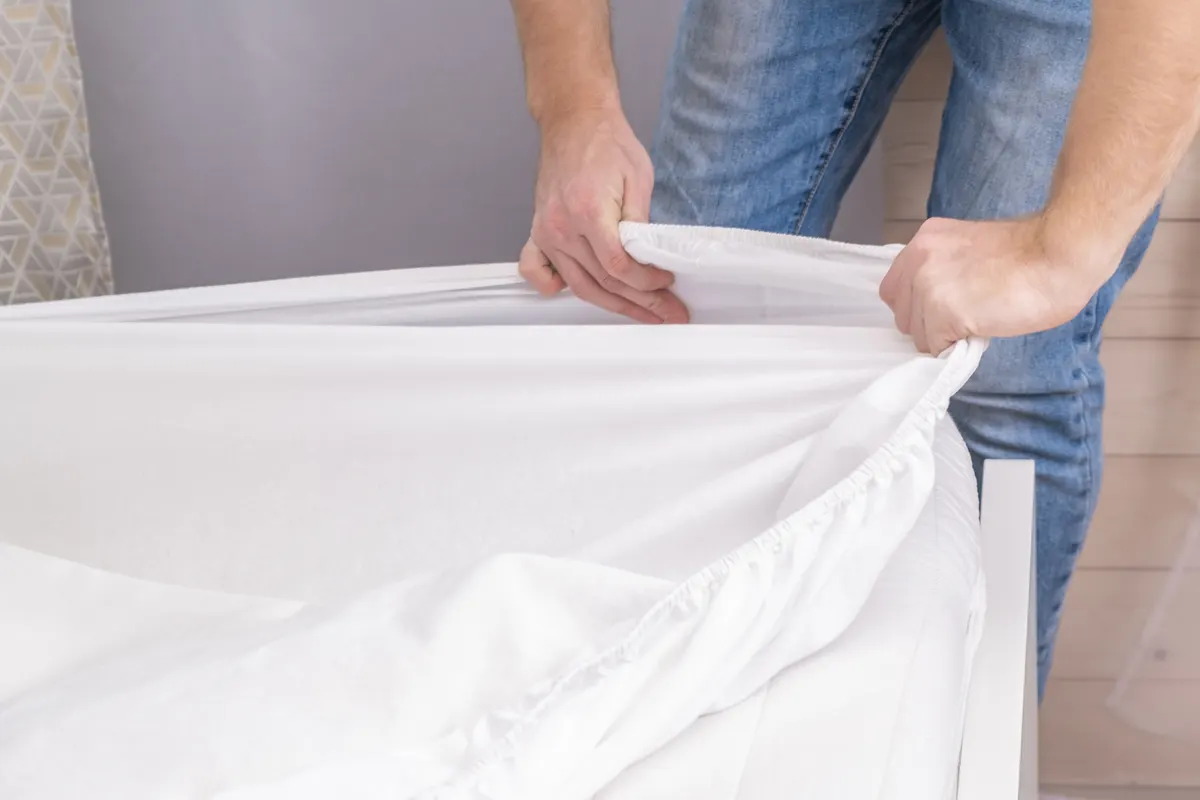
Bedding & linen marketing agency: a man makes his cozy bed with fresh bright white bed linen. Making the bed with fresh bed linen by white man. The day of the change of bedclothes. The day of washing bedclothes in the laundry room.

How bedding gets chosen

Bedding is chosen by feel and bought from words. The shopper cannot touch the fabric, so they read: weave, fibre, weight, wash. Then they hit the part that decides whether the order is kept, which is whether a fitted sheet made for a standard mattress will stretch over the deep mattress and topper they actually own.

We write growth plans for bedding and linen brands that already sell online. The plan gets sizing right first, in the feed and on the page, because a size mismatch is the most expensive return in this category. Then it explains weave and weight in language a shopper can act on, and builds a set and open stock structure that raises the order without confusing anyone.

And unlike most of the home industry, bedding genuinely reorders. The plan sets a replenishment rhythm from your own data rather than guessing at one.

A bedding purchase usually starts with a specific irritation. The sheets pill, the duvet is too warm, a guest room needs a second set, someone is going to university, or a bedroom is being redecorated and the bed has to match.

Size comes first and it is riskier than it looks. Bed size names are not consistent between countries, and duvet sizes do not always match mattress sizes. On fitted sheets the number that matters is pocket depth against the shopper's mattress plus any topper, and most product pages never mention it.

Then fabric. Percale is crisp and cool, sateen is smooth and warmer, washed linen is heavy and softens over months, and jersey behaves like a t shirt. Thread count is the number shoppers have been taught to look at, and it explains far less than fibre length, weave and finish. Linen and heavier cottons are better described by weight in grams per square metre.

Duvets and quilts add warmth ratings, fill type and whether the fill is washable. Allergy sufferers ask about mites and hot sleepers ask about breathability.

Colour is the last stall. Dye lots vary, screens vary, and a customer buying a matching pillowcase a year later expects the same shade.

Demand climbs in autumn as people change tog, again in the January sale period, and again before student move in.
Where bedding & linen brands
lose revenue

The four levers, in this niche.

Visitors

Visitors: fabric words and size words

Bedding searches are unusually specific: percale sheets king size, deep fitted sheet for 35cm mattress, linen duvet cover in sage, 13.5 tog double duvet. Titles and collection pages that carry weave, fibre, colour and size in those words pick up demand that a generic bedding campaign never sees. Comparison content between your own fabrics brings in readers months before they buy, and seasonal pages around tog changes and student packing lists catch predictable spikes each year.

Conversion rate

Conversion: pocket depth, weave and a wash you can expect

The page needs the flat measurements of every piece, the fitted sheet pocket depth, the fibre and weave named, the weight in grams per square metre for linen and heavier cottons, and an honest note on how the fabric behaves after washing. Say whether linen arrives creased on purpose. Show a close up at fabric scale. List exactly what a set contains and for which bed size, because sets that hide their contents produce support tickets and returns rather than orders.

Average order

Order value: the set, the second set and the layers

Bedding builds a basket easily if you let it. A duvet cover invites the matching fitted sheet, extra pillowcases, and a second set so one can be in the wash. Layers add more: a protector, a topper, cushions, a throw. Open stock singles matter as much as sets, because a customer replacing one worn pillowcase in the same colour is an easy order to win. Bundle pricing per bed size keeps the choice simple and pushes the basket past the shipping threshold.

Repeat purchases

Repeat purchases: this category actually reorders

Unlike most of the home industry, bedding wears out and gets replaced on a rhythm you can measure. Sheets pill, elastic goes, colours fade, a household adds a bed. Record bed size and colour at the first order and use both forever: restocks in their shade, a second set prompt, a seasonal tog message in autumn and spring, and a replacement nudge timed from your own reorder data rather than a guess. Gifting in the final quarter brings back lapsed buyers.

What we do for
bedding & linen brands

Five channels, one plan.

Google Shopping and search

Google Shopping and search ads for bedding

Shopping performs here when the title names the weave, the fibre, the colour and the bed size: Percale Cotton Fitted Sheet, White, King, 40cm Deep, or Washed Linen Duvet Cover Set, Sage, Double. Deep fitted sheets deserve the depth in the title because that is the phrase people type when a normal sheet has failed them.

Split campaigns by product type and by fabric, since a linen duvet set and a jersey fitted sheet sit at different prices and attract different buyers. Sets and open stock singles should be separated so the low value pillowcase does not soak up budget meant for the set.

Search ads cover the fabric questions and the fit problems: sheets for a deep mattress, cool sheets for hot sleepers, what tog duvet for winter. Push budget in autumn and around the January sale window. Negatives clear hospital, camping, cot and hotel supply terms unless you sell to those markets.

Meta and TikTok

Meta and TikTok ads for bedding

The winning creative in bedding is tactile and honest. A close up of the weave at real scale, the sound of crisp percale, a bed being made, a linen set after ten washes rather than only on day one. Shoppers have been disappointed by bedding before, so proof of how it ages beats a styled shot of a perfect bed.

Bedroom transformation content performs well, and so does the practical genre: how to fit a deep fitted sheet, how to get a duvet into a cover, how to fold the sheet nobody can fold.

Audiences build from home and interiors engagement plus your buyer list, with a separate segment for anyone who bought a duvet cover but no sheets. Retargeting can carry the colour they viewed and the bed size they filtered by. Gifting creative starts in the final quarter and should show packaging, because bedding is bought as a present more often than brands plan for.

Merchant Center and the feed

Merchant Center and the feed for bedding

The size attribute carries the bed size, and size_system has to match the market, because a double, a full and a queen are different beds depending on where you sell. Put pocket depth in the title and in product_detail for fitted sheets, since it is the single most common cause of a return in this category.

Colour needs Google's plain value with the trade name kept in the title, so Oat Melange is a beige item called Oat. Every colour and size of a design shares an item_group_id, and sets are separate items from singles with their own GTINs rather than variants of the same listing.

Use product_detail for weave, fibre content, grams per square metre and thread count where you quote it, and product_highlight for certifications such as OEKO-TEX where you genuinely hold them. Upload a size chart with the flat measurements. Images should include a fabric close up as an additional image, because the tile is the only texture cue a shopper gets.

SEO and AI search

SEO and AI search for bedding

Bedding questions are exactly the kind assistants like to answer, and the brand that wrote the clearest version gets quoted. What is the difference between percale and sateen. Does thread count matter. What tog duvet do I need for winter. How do I measure the depth of my mattress for a fitted sheet. How often should sheets be washed. Why is linen so creased.

Write each of those as its own page, opening with the direct answer and using your own fabrics as the examples. A bed size guide with real dimensions for the markets you serve is worth building properly, since it answers a question people ask before they shop.

Collection pages should exist per fabric, per colour family and per bed size with genuine copy. Product pages carry flat measurements, fibre, weave and weight as text. Structured data on products, reviews and questions, plus review prompts that capture mattress depth and how the fabric aged, gives assistants something concrete to cite.

Email and SMS

Email and SMS for bedding

This is the flow programme the rest of the home industry wishes it had. Start with first wash and care, which sets expectations for creasing, softening and shrinkage and prevents the disappointed return. Follow with the second set argument, which is genuinely useful rather than pushy, and with open stock pillowcases in the colour they bought.

Seasonal messages carry real weight. A tog change note in autumn and again in spring reaches people at the moment they are thinking about it. Student move in and guest room prompts land in their own windows.

Replenishment is timed from your own reorder data for how long a set lasts in your fabrics, not from a generic interval. Restock alerts fire on the exact colour and size a customer bought. In the final quarter, run a gifting sequence with a set finder, and keep SMS for delivery cut offs and for restocks of colours people waited on.

First three fixes

What the plan usually starts with for bedding & linen brands.

  1. Fitted sheets sold without a pocket depth

    The page gives a bed size but never says how deep the sheet will fit, so customers with a deep mattress or a topper order the wrong thing and send it back. We add pocket depth to the title, the feed and the size chart, add a short note telling shoppers how to measure their own mattress, and flag the deep option on the same page.

  2. Sets that never say what is in the box

    A duvet set can mean a cover alone, a cover with one pillowcase, or a full bed of linen, and shoppers guess. We list the exact contents and the quantity per bed size on the page, in the feed title and in the detail attributes, and separate sets from open stock singles so both can be found and both can be advertised.

  3. Thread count doing all the work

    The page quotes a number and says nothing about fibre, weave or finish, so the shopper has no way to tell crisp from smooth or cool from warm. We rewrite the specification around weave, fibre length, weight in grams per square metre and how the fabric behaves after washing, and add a fabric comparison page between your own ranges.

Questions from bedding & linen brands

Almost always because pocket depth is missing or wrong. Mattresses have got deeper and toppers are common, so a sheet cut for a standard depth will not stay on. Publish the pocket depth on the page and in the feed, tell shoppers how to measure their own mattress including a topper, and offer a deep option where you have one.

Only as one detail among several, and only when it is honestly counted. Fibre length, weave and finish tell a shopper far more about how the sheet will feel and wear. Lead with percale or sateen, name the cotton, give the weight for linen and heavier fabrics, and let thread count sit in the specification table rather than in the headline.

Use the local size name and set size_system to match the market in each feed, rather than translating everything into one convention. Publish a size guide with the actual dimensions for each market so a shopper can check their own bed. Duvet sizes do not always match mattress sizes, so state both instead of assuming the shopper knows.

By saying so first. Washed linen is meant to look relaxed, and a shopper who was not told feels short changed. Show it creased in the photography, explain how it softens over the first several washes, give the weight in grams per square metre so the shopper knows what they are getting, and repeat the same message in the first care email after delivery.

Far more often than most home categories, but on your fabrics rather than an industry number. Look at your own repeat orders to find the real interval between a first set and a second, then build the replenishment prompt around it. In the meantime, second sets, open stock pillowcases, seasonal tog changes and gifting all bring the same customer back sooner.

Other home & furniture stores we work with

Send your bedding & linen brand store.

The plan says which lever is leaking and what to fix first, for your store as it is today.

Store, name, email and phone. A person replies from a real inbox. Privacy

Get your free growth plan