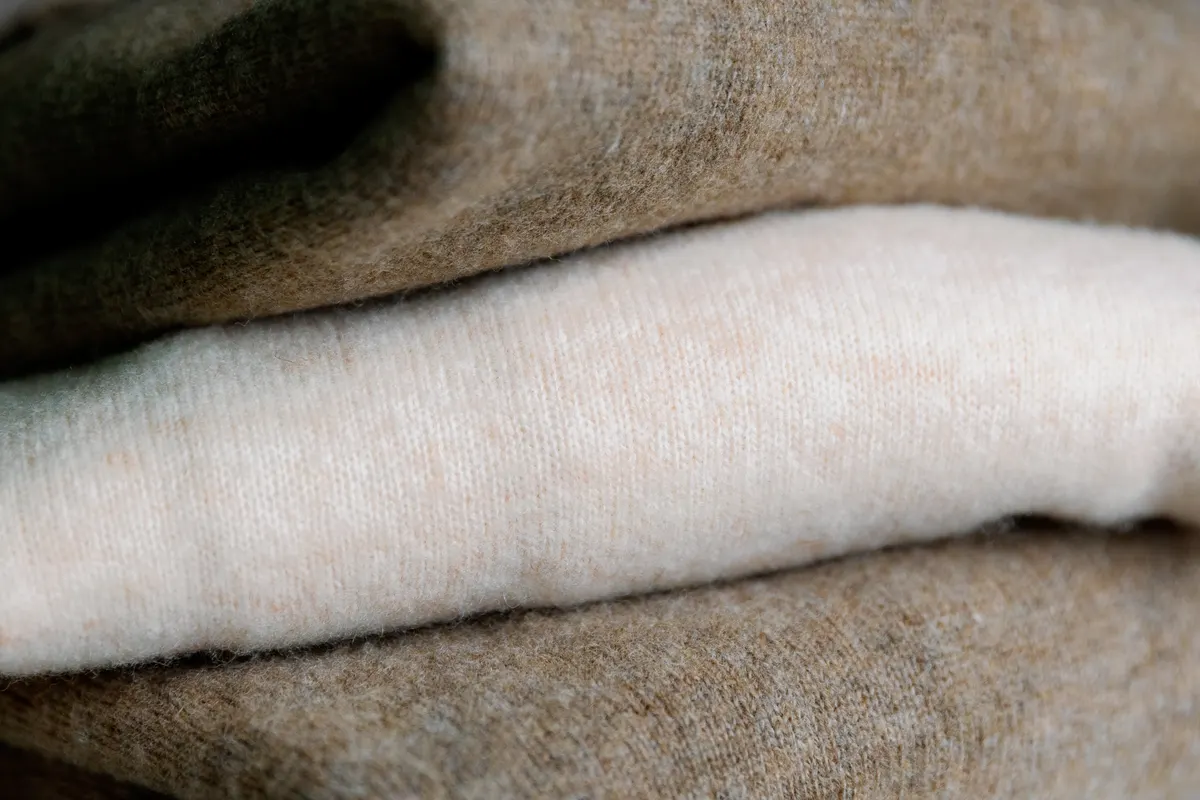
Cashmere is sold against a wall of identical claims. Every knitwear page in the market says pure, soft and grade A, and almost none of them explain fibre length, gauge, ply or weight, which are the things that actually decide whether a jumper keeps its shape after a winter. That gap is the opportunity, because the customer paying your prices has usually bought a cheap cashmere jumper before, watched it pill and go shapeless, and is now looking for a reason to believe. The other defining feature is the calendar. Demand climbs from early autumn, peaks in the weeks before the holidays and collapses in spring, which means the year's plan cannot be a flat monthly budget. What happens in eight weeks decides the year.
We grow cashmere brands that already sell online by working visitors, conversion rate, average order value and repeat purchases across that season shape. It starts with a free written growth plan built on your own sell-through, size and repeat data, then a base fee plus growth share scoped in that plan.
She is deciding whether this one will last, because she has been disappointed before. So the page has to earn belief with detail rather than adjectives. Where the fibre comes from and how it is gathered, the fineness and the length of the fibre, how many plies the yarn is spun to, the gauge the garment is knitted at, and the weight of the finished piece. A two ply garment at a heavier weight behaves nothing like a fine single ply one, and a buyer who has been told the difference can finally choose on something concrete.
Then pilling, which is the question underneath every cashmere purchase. All cashmere pills, more so at the friction points, and it settles down after the first few wears and combings. A brand that says this plainly and includes a comb does better than one implying its knitwear never pills, because that creates a complaint out of normal behaviour.
Fit is next, and knitwear fit is hard to convey. She needs the intended fit named, the model's height and size, the garment measured flat across chest, length and sleeve, and honest guidance on whether to size up for a relaxed look.
Last is care and longevity. How to wash it, why it should be dried flat rather than hung, how to store it away from moths over summer, and whether you will repair a hole or a worn cuff. A repair service is a stronger argument for the price than any description of softness.