Skip to content

Luxury fashion marketing agency

Growth work for luxury fashion brands: selling at full price, fit and fabric detail, clean apparel feeds, private client flows and stockist bidding control.

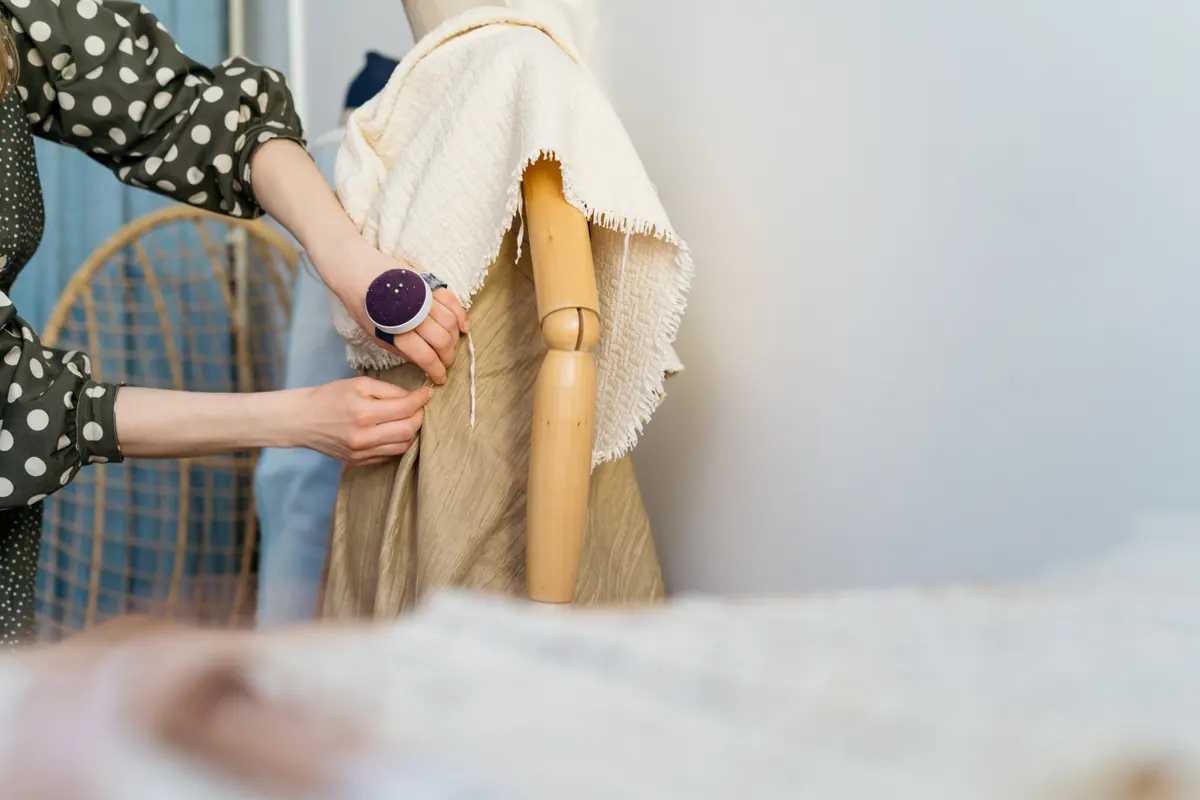
Luxury fashion marketing agency: fashion designer preparing new collection in studio.

How someone decides to spend at full price online

A luxury fashion brand has a problem most online stores do not: the fastest way to raise this month's revenue is the one thing you cannot do. A discount moves stock, and it also tells every customer who paid full price last week what your prices really mean, and it teaches the rest to wait. So growth has to come from the other levers. More of the right people finding the brand, more of them convinced by fit and fabric before they order, larger orders because the look is sold rather than the single piece, and customers who come back each season instead of once. Collections arrive on a calendar, sizes run out unevenly, and much of the revenue comes from a small group of clients who expect to be recognised.

We grow luxury fashion brands that already sell online by working visitors, conversion rate, average order value and repeat purchases at full price. It starts with a free written growth plan built on your own sell-through, return and repeat data, then a base fee plus growth share scoped in that plan.

She is not deciding whether she likes it. She decided that on the image. She is deciding whether it will fit, whether the fabric is what she thinks it is, and whether the risk of getting it wrong is worth it at your price.

Fit is the first barrier and the biggest one. She wants the model's height and the size worn, the garment measured flat rather than a generic chart, the cut described in words she can use, whether it runs close or generous, how it sits after wear, and what alterations are possible. A brand with its own block cannot use a standard size chart and expect the order to survive.

Fabric is second. Composition, weight, where it was woven, where it was made, how it behaves after washing or cleaning, whether it will pill, drape or hold a crease. At this price the answer to what is this actually made of is part of the purchase, not a footnote in a tab.

Third is everything around the order. Delivery timing, whether it will arrive before an event, how returns work and who pays, whether an exchange for another size is quick, how the piece arrives packaged, and whether there is a person she can ask. Many will also search the brand name with the word review, or ask an assistant what the quality is like, before they check out. What exists publicly about your make and your service affects conversion whether you wrote it or not.
Where luxury fashion brands
lose revenue

The four levers, in this niche.

Visitors

Visitors: the brand name, the garment type and the occasion

Traffic splits three ways. People searching your name, who must never be handed to a stockist or a resale listing bidding above you. People searching the garment in your terms, a fabric, a cut, a length, an occasion. And people who have never heard of you, who are reached on social and through editorial rather than search. We protect the first, build collection pages and paid search for the second, and treat the third as a prospecting budget judged over a season rather than a week.

Conversion rate

Conversion: fit and fabric answered on the page

Nothing raises full price conversion like removing size doubt. We add garment measurements taken flat, the model's height and size on every image set, movement video rather than only stills, fabric composition and weight, care and alteration notes, and a fit note written by whoever made the pattern. Then we add human routes: a styling question form with a stated reply time, appointment booking where you have a showroom, and an exchange path that is faster and clearer than the returns path.

Average order

Order value: sell the look, not the discount

Order value at a luxury brand grows by selling the outfit that was designed together. Full look modules on the product page, styling notes that name the pieces, and a shot of the complete outfit lift units per order without touching price. Beyond that there are made to order and alteration options, monogramming and personalisation, gift wrapping that matches the packaging you already use, and a delivery upgrade for a dated event. Each one raises the order and none of them signals that the price was negotiable.

Repeat purchases

Repeat purchases: the season and the private client

Fashion has a natural repeat rhythm because collections arrive on a calendar. We use it: early access to a new collection for past buyers, a note when a piece a customer viewed returns in a new colour, and a care sequence that keeps the garment good and the brand present. Above that sits the small group who spend the most. They need a named contact, a first look before public launch and a message that reads as personal, because at this level service is what brings them back.

What we do for
luxury fashion brands

Five channels, one plan.

Google Shopping and search

Google Shopping and search ads without discount language

Shopping still works at high prices, it just needs different reading. Volume is low, the decision window is long, and last click return in a seven day window will always look poor, so we set attribution and reporting windows that match how these purchases actually happen. Campaigns are split by garment type and price band, and brand terms get their own protected campaign, because your own name is where stockists, marketplaces and resale listings will happily outbid you if nobody is watching. Feed titles carry the garment, fabric, colour and cut in your language, not generic retail wording, since the aim is to attract the person who wants that fabric rather than the widest possible audience. Promotion extensions and sale annotations are left off entirely. Negatives cover cheap, dupe, outlet, replica, sale, discount code and the second hand searches you would rather send to your own archive page than pay for.

Meta and TikTok

Meta and TikTok ads that carry the brand rather than dilute it

Prospecting on social is where a luxury brand meets people who have never heard of it, so the creative has to be worth the impression. Campaign imagery, movement on a real body, close work on stitching, seams, linings and fastenings, the atelier or the workshop, and a designer explaining why a garment is cut the way it is all do better than a product on white with a price. Placement control matters more here than in most accounts, because a brand that appears between low quality content is judged by the company it keeps, so we exclude the placements and content categories that do not suit and accept the higher cost that follows. Catalogue retargeting runs on viewed pieces and full looks, never with a countdown or a price cut. Comments are managed, since sizing and fabric questions arrive there constantly and answering them well is a conversion channel on its own.

Merchant Center and the feed

Merchant Center for apparel sold at full price

Apparel is the most attribute heavy category in the feed and the one most often half filled. Size, size_system, size_type, colour, age_group, gender and material are all expected in the main markets, and missing any of them limits where your products can show. Colour needs to be the plain word first with your house name after it, so a shade with a poetic name still matches a colour filter. Every size is a variant under one item_group_id, with GTINs where you have them and identifier_exists set to false on pieces produced in runs too small to carry one. Images must be clean, with no text, logos or borders added to the frame, which catches out brands whose campaign crops carry a wordmark. Made to order pieces use preorder or backorder with an availability date rather than being listed as in stock. Prices in the feed have to match the page in every currency you sell in.

SEO and AI search

SEO and AI search on make, fit and what the brand is

Collection pages should read like the brand, not like a category, and carry the fabric, cut and occasion language people actually search. Below that sit the pages that do the quiet work: what a fabric is and how it wears, how your sizing compares to standard sizing, how a garment is constructed, how to care for it, and where things are made. Those pages answer the questions that decide a purchase and they are what an assistant reaches for when someone asks whether the brand is worth the money or how the sizing runs. If you do not publish it, the assistant will summarise a forum thread instead. We also make sure your brand name resolves cleanly, with an about page that states where you make things and who you are, because the first thing anyone does with an unfamiliar luxury name is look it up.

Email and SMS

Email and SMS on the collection calendar

The programme is built around drops, not offers. Past buyers and registered clients get first access before a public launch, which sells the sizes that always go first and rewards loyalty without a price cut. Back in stock and back in a new colour messages carry a lot of weight, because a customer who wanted a piece in her size is often still waiting. Browse and cart flows keep the tone of the brand and lead with fit help, an exchange promise or a styling reply rather than urgency. After delivery comes care instructions specific to the fabric, then an invitation to see how it was worn. Private clients sit outside the automated programme with messages from a named person. If you run an archive or sample sale, it goes to a separate opted in list so your main file is never trained to wait for it.

First three fixes

What the plan usually starts with for luxury fashion brands.

  1. A generic size chart on a brand with its own cut

    Replace it with garment measurements taken flat for every size, plus the model's height and the size worn on each image set and a fit note in plain words. Size doubt is the largest single reason a full price order is abandoned, and a chart borrowed from mass retail actively misleads.

  2. Nobody bidding on your own brand name

    Run a protected brand campaign. Stockists, marketplaces and resale sellers bid on luxury brand names constantly, and leaving the position open means paying a wholesale margin on a customer who was already looking for you by name and would have bought direct.

  3. Discounting to clear a slow season

    Move slow stock through a separate archive channel, a private list or a made to order swap instead of a sitewide sale. A public discount resets what every customer expects to pay next season and is far more expensive than the stock it clears.

Questions from luxury fashion brands

Yes, and most luxury brands should. Growth comes from more qualified visitors, better answers to fit and fabric questions, larger orders through full looks and personalisation, and customers who return each season. A discount borrows revenue from next quarter and changes what your customers believe your prices mean.

By excluding the placements and content categories you do not want, restricting where video can run, and accepting a higher cost per result as the price of that control. We report on where impressions actually appeared, not only on outcomes, so you can see what the brand sat next to.

Two things. Run your own brand campaign so the top position is yours, and set a written policy in your wholesale terms about bidding on your name and using your imagery in ads. Most stockists comply once it is written down, and the ones who do not can be handled through the platform's trademark process.

They rarely buy on the first click, which is why short attribution windows make this channel look worse than it is. The ad usually starts a process that finishes days or weeks later through search, email or a direct visit. We set reporting windows to match the actual decision length before judging any campaign.

As preorder or backorder with an availability date, never as in stock. The lead time should also appear on the product page and in the cart. Feeding a piece that takes weeks to make as though it ships tomorrow causes delivery complaints and can put the whole account at risk.

Other luxury & resale stores we work with

Send your luxury fashion brand store.

The plan says which lever is leaking and what to fix first, for your store as it is today.

Store, name, email and phone. A person replies from a real inbox. Privacy

Get your free growth plan