Skip to content

High-end audio marketing agency

Growth work for high-end audio stores: system matching pages, dealer pricing policy in feeds, demo bookings, freight for heavy kit and upgrade path email.

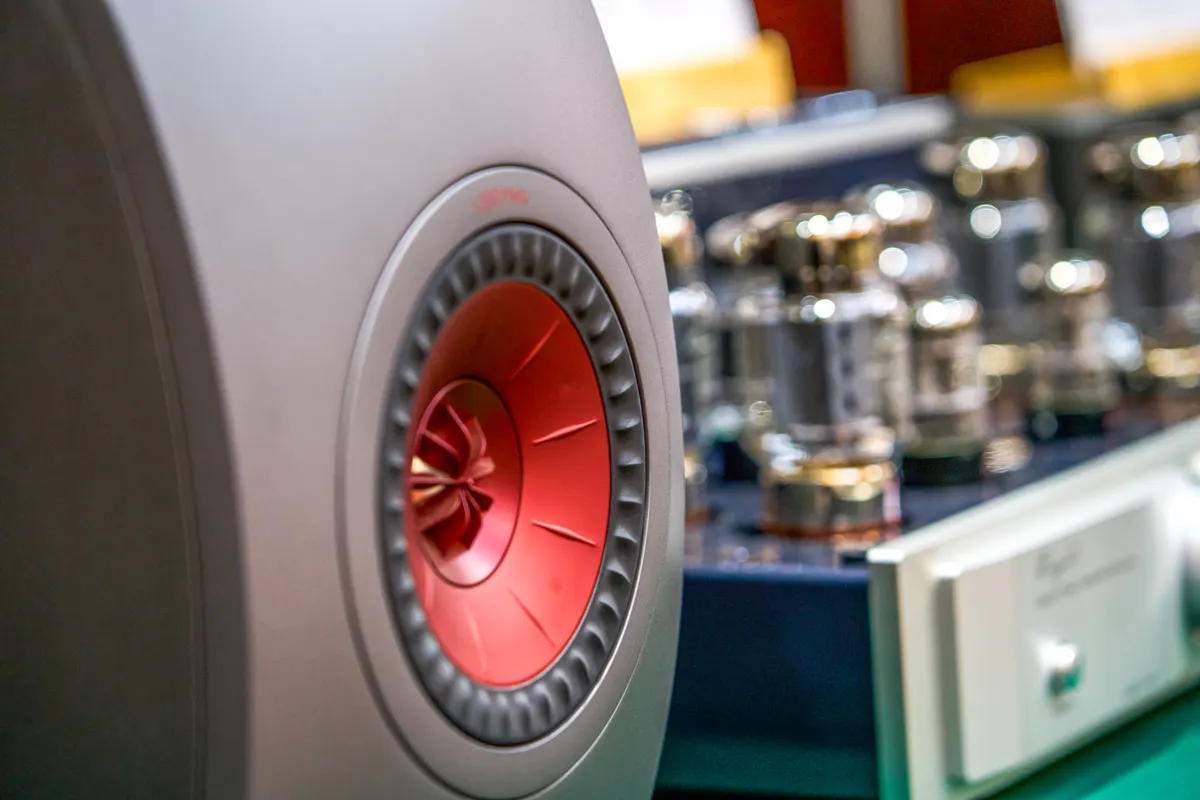
High-end audio marketing agency: expensive and luxurious high-end audiophile-grade wooden box metal diaphragm speakers.

How someone buys a system rather than a box

High-end audio is bought in systems, not in single products, and it is bought slowly. Someone starts with a speaker they have read about, then discovers that the amplifier has to suit it, the source has to suit both, the room changes everything, and the cables and supports are the last argument. That process runs for months across forums, reviews, spec sheets and a listening session, and it ends with an order that is often several components at once. On top of that sit constraints most stores do not have. Brands appoint dealers by territory, set the prices you may advertise, and tie the warranty to buying from an authorised dealer, so the usual promotional tactics are simply not available to you.

We grow high-end audio retailers who already sell online by working visitors, conversion rate, average order value and repeat purchases inside those rules. It starts with a free written growth plan built on your own brand list, demo and order data, then a base fee plus growth share scoped in that plan.

The first thing a buyer wants is confirmation that a component will work with what they already own. Speaker sensitivity and impedance against amplifier power, whether a phono stage suits their cartridge output, whether a streamer supports the file types and services they use, whether a valve amplifier has enough grip for the speakers they are looking at. A product page that lists specifications without saying what they mean in practice leaves the buyer to work it out somewhere else, and they usually do that on a forum where someone else's dealer gets the sale.

The second thing is the room. Floorstanders in a small room, rear ported speakers against a wall, a suspended timber floor under a turntable. Buyers know these matter and want to be told rather than sold to.

Third is hearing it. At these prices very few people order without listening, so the real conversion event online is a booked demonstration, a home trial or a call, not a checkout. The site's job is to get someone to that appointment with the right kit already set up.

Fourth is the practical set. Whether you are an authorised dealer for the brand and what that means for the warranty. Whether there is a trade in against what they own. What delivery involves for something heavy, and whether you set it up. Whether there is finance. And what the upgrade path looks like in two years, because that is how these buyers think.
Where high-end audio stores
lose revenue

The four levers, in this niche.

Visitors

Visitors: model names, matching questions and the used market

Traffic comes from three places. People searching a specific model, who are close to buying and need to find your page rather than a forum thread. People searching a matching question, such as what amplifier suits a given speaker, who are earlier and reachable with genuinely useful pages. And people searching for ex demo, trade in and used components, who convert quickly and are often overlooked. We build search and Shopping across all three and keep brand terms defended where your dealer agreement permits.

Conversion rate

Conversion: the demo booking is the sale

Treat the appointment as the conversion event and design the site for it. Booking on every product page for the higher price bands, a home demonstration request where you offer one, and a specification form so the room and existing kit are known before anyone arrives. Alongside that, add plain language matching notes to the specifications, a system builder that shows components that suit each other, delivery and installation detail, and finance terms stated up front rather than at checkout.

Average order

Order value: the rest of the chain

This is the category where order value grows most naturally, because a component rarely arrives alone. Stands, isolation platforms, speaker cable cut to length, interconnects, a mains block, a cartridge fitted and aligned, a rack, and an installation and calibration visit all belong in the same order and all improve the result the buyer paid for. A system quote that prices the whole chain, rather than a cart with one box in it, is the single biggest change most audio retailers can make to average order value.

Repeat purchases

Repeat purchases: the upgrade path runs for years

Audio customers do not buy once, they upgrade in stages, usually one component at a time over several years. We record what someone owns, then time messages to the parts that wear or date: a cartridge nearing the end of its stylus life, valves due for replacement, a streamer whose services have moved on. Trade in offers against known kit bring people back, and ex demo lists give existing customers a reason to open every email. Service and setup visits keep the relationship alive between purchases.

What we do for
high-end audio stores

Five channels, one plan.

Google Shopping and search

Google Shopping and search ads under dealer pricing rules

The feed here is easier than in resale because components carry GTINs and model numbers, but the pricing rules are harder. Where a brand sets a price you may advertise, the feed price, the landing page price and any promotion have to agree with it, and the fastest way into trouble is a discount code that changes the checkout total below the advertised figure. Territory matters too, since many distribution agreements limit where you may sell or ship, so campaigns need geographic targeting that matches the agreement rather than the map. Campaigns split by category and price band, with demonstration bookings and enquiries counted as outcomes on the higher bands, because a five figure system will rarely be checked out from an ad click. Ex demo and trade in stock is fed separately with condition set correctly, and it converts faster than new stock. Negatives cover repair, manual, review, forum, and the car audio and home cinema queries that pull volume without relevance.

Meta and TikTok

Meta and YouTube style video for kit that has to be explained

This audience will watch long content, which changes what creative means. A walkthrough of a system in a listening room, a cartridge being aligned under a loupe, the inside of an amplifier, a comparison between two ways of solving the same problem in a buyer's own system, a room being treated, an unboxing of something genuinely heavy. Short social cuts drive people to the longer piece and to the demonstration booking. Retargeting follows the brand and category someone browsed over a long window, because the decision runs for months and a two week window will report failure on a campaign that is working. Prospecting works best against interest in the specific brands you are appointed for, since a general audio audience is mostly people shopping at a tenth of your prices. Ad copy avoids price claims entirely where your agreements restrict them.

Merchant Center and the feed

Merchant Center for authorised dealer stock

New components carry a GTIN and an MPN and should be fed with both, with the brand exactly as the manufacturer writes it. Condition is new for boxed stock, refurbished for factory refurbished units, and used for ex demo and trade in, and getting ex demo stock marked correctly matters because it is often photographed and described as if it were new. Variants such as finish and colour group under one item_group_id, since a speaker in three veneers is one product. Price consistency is the main risk: the feed, the page, the cart and any automatic discount all have to agree, both for Google's own rules and for your dealer agreements. Shipping settings need to reflect freight for heavy items rather than a parcel rate, and where a brand restricts online sale or shipping to certain regions, those products should be excluded from the feed rather than quietly advertised everywhere.

SEO and AI search

SEO and AI search for matching questions and room problems

The highest value pages you can build are matching and problem pages, because that is what people search and what assistants get asked. What amplifier suits a particular speaker, what power a speaker really needs, how to choose a phono stage for a cartridge, whether a streamer replaces a CD player, how to deal with a bright room or a bass heavy corner, and what upgrading first actually achieves. Write those with real reasoning and name the components you stock as examples rather than as a list. Brand and model pages need your own commentary, measurements you have taken and photographs of the item in your rooms, because a page that repeats the manufacturer's copy has nothing to rank on. Add a page on what being an authorised dealer means for warranty and support, since buyers ask assistants that question directly before ordering.

Email and SMS

Email and SMS along the upgrade path

The list here is a record of systems, not addresses. When you know what a customer owns, every message can be relevant: a new model that replaces a component in their chain, a cable or stand that suits it, an ex demo unit at the level they are ready for, a trade in valuation on their current amplifier. Ex demo and pre owned lists are the strongest regular send, because they are genuinely scarce and the audience knows it. Around a demonstration booking there is a short flow confirming what will be set up and what to bring, which raises attendance noticeably. After delivery comes a setup sequence covering positioning, running in, and when to book a calibration visit, then reminders for stylus life, valve replacement and servicing. Price promotions are rare, because most of your brands do not allow them.

First three fixes

What the plan usually starts with for high-end audio stores.

  1. Specifications without interpretation

    Add a plain language matching note to every product page saying what the specification means for a buyer's room and existing kit. Sensitivity and impedance figures alone send people to forums to ask, and the answer they get there usually points at someone else's shop.

  2. No booking route on high value pages

    Put demonstration and home trial booking on every product above your usual checkout threshold, and treat the booking as the conversion action in reporting. Nobody spends five figures from a product page, but many will book a listening session from one.

  3. Advertised prices that drift from dealer terms

    Audit the feed, the page, the cart and every automatic discount against your brand pricing agreements, and exclude restricted products from promotions entirely. A sitewide code that quietly cuts a protected price risks the dealership, which is worth far more than the campaign.

Questions from high-end audio stores

Yes. Shopping needs the feed price, the landing page and the checkout total to agree, which is exactly what a pricing agreement also requires, so the two align once the account is set up properly. The risk is sitewide discount codes and automatic cart rules, which need to exclude the restricted brands.

By matching campaign targeting and feed availability to the agreement rather than the market. Products you may not ship outside a region are excluded from campaigns aimed elsewhere, and shipping settings reflect that. It is easier to configure this once than to explain an out of territory sale to a distributor.

Yes, and separately. It converts faster than new stock because the price is visible value rather than a discount, and it attracts buyers stepping up a level. Feed it with condition set to used, photograph the actual unit, state what is included and how much warranty remains.

By using a reporting window that matches the decision, and by counting demonstration bookings, home trials, quote requests and phone calls as outcomes rather than only checkouts. A thirty day last click view of this category will always understate it. The plan sets the window from your own time to purchase data.

Publish the freight terms with the product: two person delivery, kerbside or into the room, whether packaging is removed and taken away, lead times, and any lift or stair limitations. Then price installation and setup as an option. Buyers accept freight costs on serious equipment, but not as a surprise after the order.

Other luxury & resale stores we work with

Send your high-end audio store store.

The plan says which lever is leaking and what to fix first, for your store as it is today.

Store, name, email and phone. A person replies from a real inbox. Privacy

Get your free growth plan