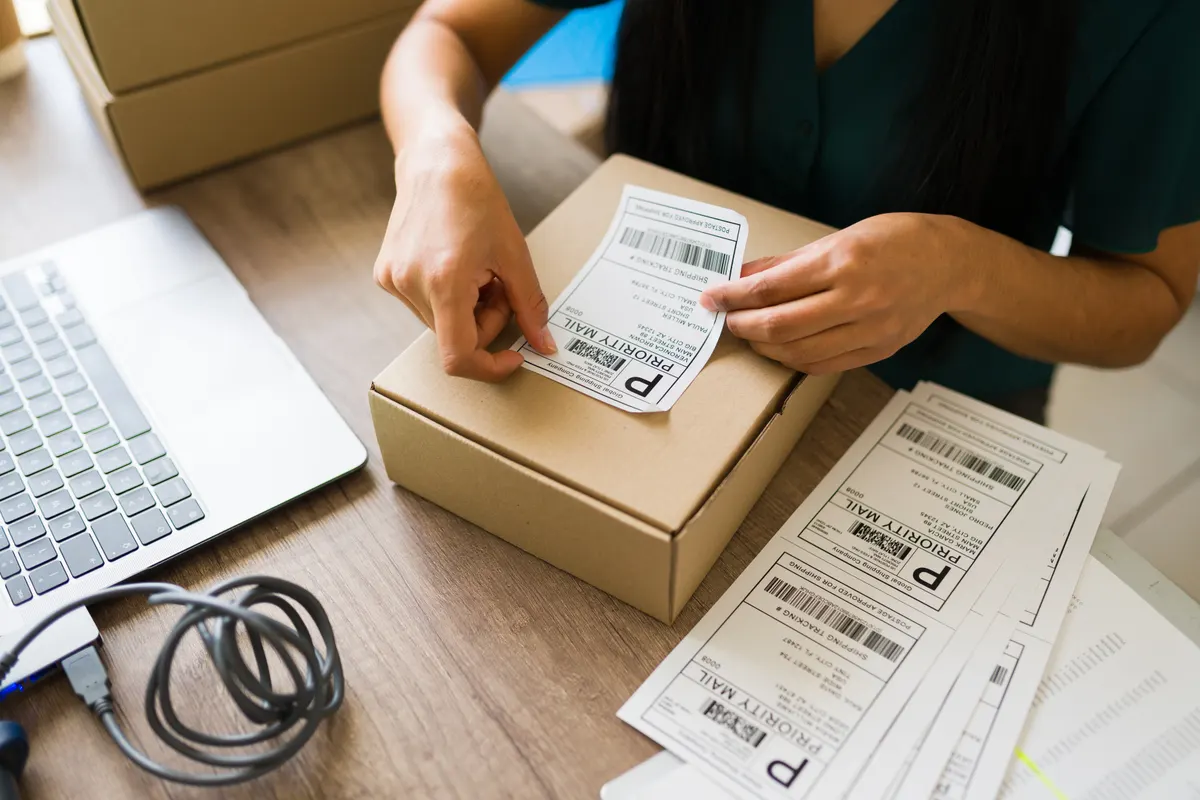
Selling into another country is mostly a checkout problem wearing a marketing costume. The ads work, the traffic arrives, and then the visitor meets a price in the wrong currency, a payment method they do not use, a delivery estimate nobody would accept and a customs charge that arrives after the parcel. The campaign gets blamed for a conversion rate that was decided by settings.
We write growth plans for brands already shipping across borders or ready to open a second market properly. The plan works market by market rather than treating everywhere outside your home country as one place. It covers how duty and tax are handled at checkout, which local payment methods matter enough to be worth adding, what your realistic transit time is per route, where returns go, and what the page needs to say in units and sizes the local shopper actually uses.
It then covers the marketing that follows those decisions. A separate feed and shipping configuration for each country you target. Search demand in the local language, which is rarely a direct translation of your home market's keywords. A promotional calendar that follows local holidays rather than yours. And email that respects the fact that a customer four thousand miles away has a longer wait and needs to hear from you during it.
The product question is usually settled before the practical questions begin. What stops the order is everything after: whether the price shown is the price they pay, whether a customs bill will follow, how long it takes, and what happens if they need to send it back.
The customs charge is the one that does lasting damage. A shopper who receives an unexpected demand from a carrier before they can collect their parcel does not blame the carrier. They blame you, they refuse the parcel or they never order again, and they tell people. Charging duties and taxes at checkout costs you a slightly higher displayed price and removes the single worst experience in cross border retail.
Payment is the quiet killer. Card penetration and payment habits vary enormously by country, and a shopper in a market where most people pay by bank transfer or a local scheme will simply leave rather than dig out a card. Offering the two or three methods that matter locally usually moves conversion more than any page change.
Sizing, units and language do the rest. Shoe and clothing sizes, paper sizes, voltages, plug types, measurements in the system the shopper uses. Machine translation that reads as machine translation makes a brand look unserious in exactly the market where trust is hardest to earn. Returns matter last but they matter: a return address in country turns a risky purchase into a normal one.