Skip to content

Wholesale marketplace brand marketing agency

Marketing for brands selling to independent retailers: opening orders, reorder rate, line sheets, sell-through support and a direct site that pulls buyers in.

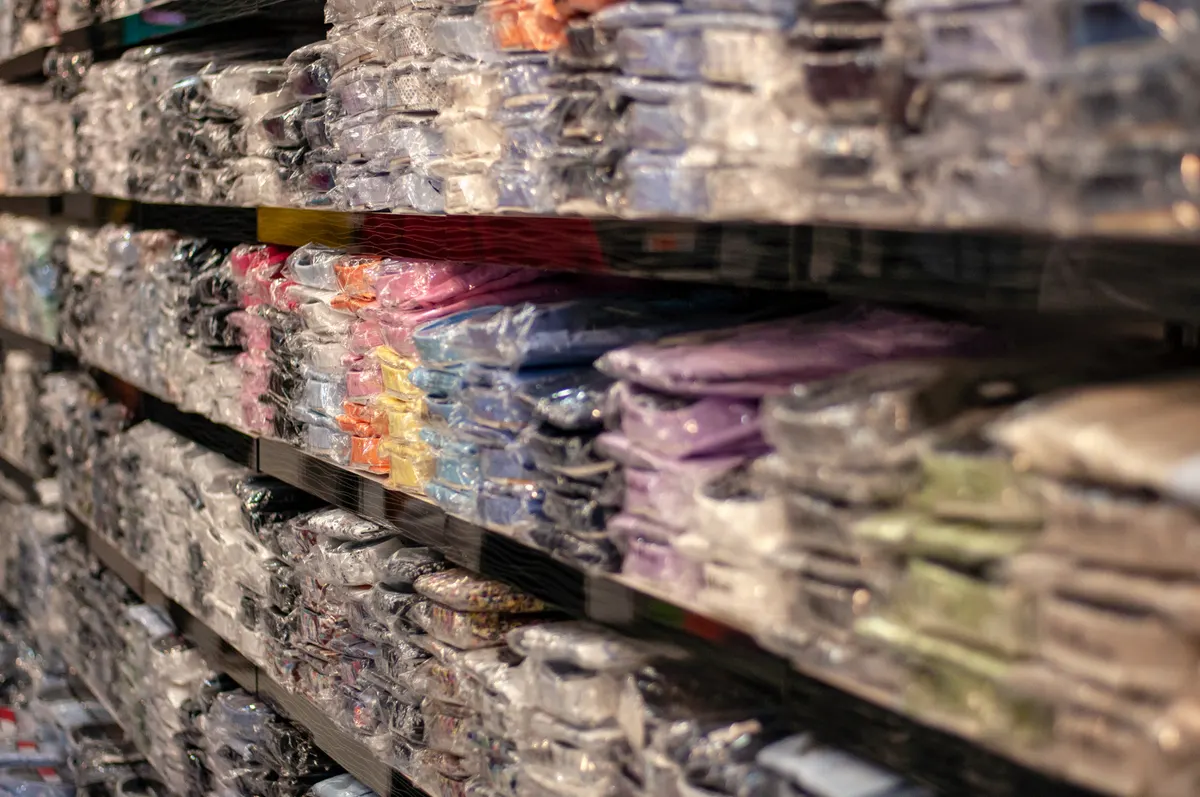
Wholesale marketplace brand marketing agency: piles of shirts on a shelf in a store. Market and wholesale.

How an independent shop owner places an order

A brand selling through a wholesale marketplace has a customer who is also a business. The independent shop owner placing an opening order is not buying because they like the product. They are buying because they believe it will sell in their shop, at their margin, to their regulars, without sitting on the shelf until it is marked down. Everything about how you market to them follows from that.

We write growth plans for brands that already have retailers ordering. The plan is built around the number that decides whether this business works, which is the reorder rate. An opening order costs you commission, samples, a free freight allowance and often a return window. It only pays back if the shop sells through and orders again, which means the most valuable marketing you can do is often the work that helps a retailer sell your product rather than the work that finds you another retailer.

The plan also covers the direct side, because the two feed each other. Consumer demand created by your own site and social makes shop owners more willing to stock you, and a stockist page sends buyers who cannot order a case to the retailers who can. We plan them together, with pricing and product mix that keeps the two channels from competing, so growing direct sales does not cost you the shops.

The buyer is usually the owner, often standing behind the counter, buying with money the shop has not made yet. They think in units of shelf space and in weeks of cash. The questions are the same everywhere: what does it cost me, what do I sell it for, how fast does it move, and what happens if it does not.

Discovery happens in a few predictable ways. Browsing a marketplace by category or by look, seeing a brand repeatedly on social, a rep or a trade show, or a customer walking in and asking whether they stock it. That last one is why consumer demand matters even to a wholesale first brand.

The first order is a test. It is deliberately small, spread across a few of your best sellers rather than a full range, and the buyer is watching how quickly it moves. Terms make it possible: an opening minimum they can afford, payment terms that let them sell before they pay, and a return window that removes the risk of guessing wrong.

The reorder is the real decision. It happens when a shelf gap appears, which is a moment nobody outside the shop can see, so brands that wait to be contacted lose orders that a well timed prompt would have won. Buying is seasonal in blocks: ranges are chosen months ahead for a season, and stock is topped up through it.
Where Faire & wholesale marketplace brands
lose revenue

The four levers, in this niche.

Visitors

Visitors: reach buyers where they are choosing next season

Shop owners find brands through marketplace browsing, social, trade shows and word of mouth from other retailers. That means good photography of the product on a shelf rather than on a model, a range that reads as a coherent collection, and a presence in the places buyers scroll in the evening after the shop closes. Consumer demand is a discovery channel too, because a retailer who has been asked for you three times will go looking. We build both, and treat a request from a shopper as a lead.

Conversion rate

Conversion: answer the margin and the risk in one screen

A buyer converts when they can see cost price, suggested retail, case pack, lead time and minimum in one place without asking. Missing any of those means an email, and an email means a decision postponed. Terms carry the rest: an opening minimum sized for a small shop, payment terms so they can sell before they pay, and a clear returns position on a first order. Samples and testers matter for anything scented, tasted or worn, because a buyer will not stock what they have not handled.

Average order

Order value: sell an assortment, not a product

Shops buy displays, not units. A curated assortment that fills a shelf, a counter unit that comes with its own stand, or a starter pack with the six best sellers in the right ratio all raise an opening order and make the shop look intentional. Free freight thresholds set just above your average order do quiet, reliable work. Case pack sizes should match how a small shop actually sells, since a case that takes a year to clear will never be reordered no matter how good the product is.

Repeat purchases

Repeat purchases: reorder rate is the whole business

An opening order rarely pays for itself once commission, samples and freight are counted, so the brand lives or dies on the second and third order. Two things drive it: the product selling through in the shop, and someone noticing the shelf gap at the right time. You can help with both. Sell through support, meaning display guidance, shelf talkers, social assets the shop can post and staff notes on how to describe the product, is marketing aimed at your customer's customer, and it is the highest return work in this niche.

What we do for
Faire & wholesale marketplace brands

Five channels, one plan.

Google Shopping and search

Google Shopping and search ads for a wholesale brand

Shopping runs on your direct site and serves two purposes at once. It sells at full retail price, which protects your stockists rather than undercutting them, and it builds the consumer demand that makes shop owners want to carry you.

Campaigns focus on the product terms your category actually gets searched for and on your brand name, which is where the return is. A shopper who has seen the product in a shop and is searching for it later should find you, and so should the one who saw it on social.

Search ads also serve a second audience that most brands here ignore. Retailers search too, using phrases like wholesale supplier for a category, trade prices, and stockist enquiries. A small campaign pointed at a proper trade page, with minimums, terms and lead times on it, brings in buyers at a cost that compares well with a trade show stand. Keep the consumer and trade campaigns separate so the budgets, the landing pages and the measurement never mix, and so retail pricing in your feed is never confused with trade pricing.

Meta and TikTok

Meta and TikTok ads for a wholesale brand

Social does two jobs here and they need different creative. For consumers it sells the product, and the point of that spend is partly demand you capture directly and partly demand that walks into your stockists and asks for you.

For retailers it is a shop window. Buyers follow brands they might stock, and what persuades them is different: the product merchandised on a shelf, a display unit in situ, a video of a stockist's counter, packaging that looks good in a row of six. A brand whose feed shows how the range looks in a real shop is doing sales work while it posts.

Retargeting is where trade spend earns its keep, since a buyer who viewed your line sheet and did not order is worth reminding just before their buying season. Content from stockists is the best asset available, so a simple programme of asking shops for photos, then sharing them, gives you creative and gives them exposure. Comments and messages from shoppers asking where to buy locally are leads for both sides of the business.

Merchant Center and the feed

Merchant Center and the feed for a wholesale brand

The feed carries your direct site, which means retail prices only. Trade pricing never belongs in a public feed, and a page that shows trade prices without a login cannot be used as a Shopping landing page anyway. Keep the two catalogues separate at the platform level so there is no chance of a wholesale price reaching a public tile.

Product data needs the identifiers you own as the brand: gtin where you have assigned barcodes, mpn for your own codes, brand on every row. Variants sit under one item_group_id with size, colour, scent or flavour in their own fields.

If resellers also list your products, expect your own listings to appear alongside theirs. That is normal, and the answer is a complete, accurate feed with good images and correct availability rather than a price fight that damages your retailers. Handling time should reflect a real direct order, which for a brand geared to pallets and cases can be slower than consumers expect, so it is set honestly. Made to order and small batch products carry their lead time in handling time rather than in a note on the page.

SEO and AI search

SEO and AI search for a wholesale brand

Two audiences search, and each needs its own set of pages. Shoppers look for the product, for where to buy it near them and for the questions your category raises. A stockist page listing every shop that carries you, searchable by town, serves them and gives your retailers something valuable in return.

Retailers search for suppliers. A trade page that states minimums, case packs, lead times, terms, territory and how to open an account answers the questions a buyer would otherwise email, and it is what an assistant quotes when a shop owner asks where to source a category. Publish it as text, keep it current, and include the practical details brands usually hide.

Product pages carry ingredients, materials, dimensions, care and origin, because a shop owner uses them to answer customer questions and a shopper uses them to decide. Structured data on products covers price and availability. Content about the category, how to display it, what sells alongside it and what season it moves in, is read by both audiences and is unusually good at earning links from the trade press.

Email and SMS

Email and SMS for a wholesale brand

The trade list is the most valuable asset in this business and it should be segmented by what a shop stocks, when they last ordered and how fast they sell through. Everything else follows from that.

The reorder prompt is the core flow. Using each account's own interval, taken from their order history, a message arrives shortly before their shelf is likely to be empty with the last order preloaded and any new lines shown alongside. Lapsed accounts get a different sequence that asks what did not work, because a shop that stopped ordering usually has a reason worth knowing.

Seasonal buying emails go out months ahead of the season with a look book and order deadlines, since retailers plan far earlier than consumers buy. New stockists get an onboarding sequence with display guidance, social assets they can post and notes for their staff on how to describe the product, which is the work that drives sell through and therefore the second order. The consumer list runs separately with launches, restocks and a stockist finder. SMS is kept for order and delivery updates to trade accounts.

First three fixes

What the plan usually starts with for Faire & wholesale marketplace brands.

  1. No sell-through support after the opening order

    The first order ships and the brand goes quiet, so the product sits on a shelf nobody knows how to sell and there is no reorder. We build an onboarding pack for new stockists with display guidance, shelf talkers, staff notes and ready made social posts, then time a reorder prompt to each account's own selling pace.

  2. Trade terms scattered across emails

    Minimums, case packs, lead times, freight thresholds and payment terms live in a rep's inbox, so every enquiry costs a day and some never come back. We publish a trade page that answers all of it plainly, keep the line sheet current and downloadable, and make opening an account a form rather than a conversation.

  3. Direct pricing quietly undercutting your stockists

    Site promotions run without anyone checking what they do to a shop selling the same product at full price, and retailers notice. We put one pricing calendar across both channels, keep direct discounts to product mixes stockists do not carry, and give the shops something they can promote that your site does not.

Questions from Faire & wholesale marketplace brands

Yes, if you price it properly. Selling at full retail on your own site protects the shops rather than competing with them, and it gives you margin, an email list and consumer demand that makes retailers want to stock you. The problems come from discounting direct or from carrying a much wider range online than any shop can. Keep pricing consistent, list your stockists, and the two channels support each other.

Help them sell the first one and then ask at the right moment. Sell through is the whole reason a reorder happens, so display guidance, staff notes and shareable social assets are worth more than another discount. Then use each account's own reorder interval from their order history to prompt before the shelf empties, since a shop owner who runs out on a Saturday will fill the gap with whatever is easiest to order.

Small enough that a single shop can test you without a difficult conversation with their accountant, and large enough to be worth packing and shipping. Think in shelf terms rather than in money: what does a shop need to make a display look intentional. An assortment that fills a section usually lands in the right place naturally, and it sells through faster than the same value spread thinly across your whole range.

It depends on what your product needs. Anything scented, tasted, worn or judged on feel gains a lot from being handled, and a show is a concentrated way to do that. Discovery online is cheaper and continuous but needs the photography and the assortment thinking to carry the same work. Most brands we plan for use both, with the show as an acquisition push and the online presence to catch the buyers who saw you and did not stop.

As a commercial decision with something in return. Exclusivity has real value to a shop and it costs you the option of a second account nearby, so it should come with a larger commitment, a full range or a reorder pattern rather than being given away to close a first order. Write the territory down, including how it ends, so that the next enquiry from the same town is a straightforward conversation.

Other marketplace & multi-channel sellers stores we work with

Send your Faire & wholesale marketplace brand store.

The plan says which lever is leaking and what to fix first, for your store as it is today.

Store, name, email and phone. A person replies from a real inbox. Privacy

Get your free growth plan