Skip to content

Reptile supply marketing agency

Growth for reptile supply stores online: species setup kits, UVB replacement cycles, live feeder shipping, enclosure freight and husbandry answers.

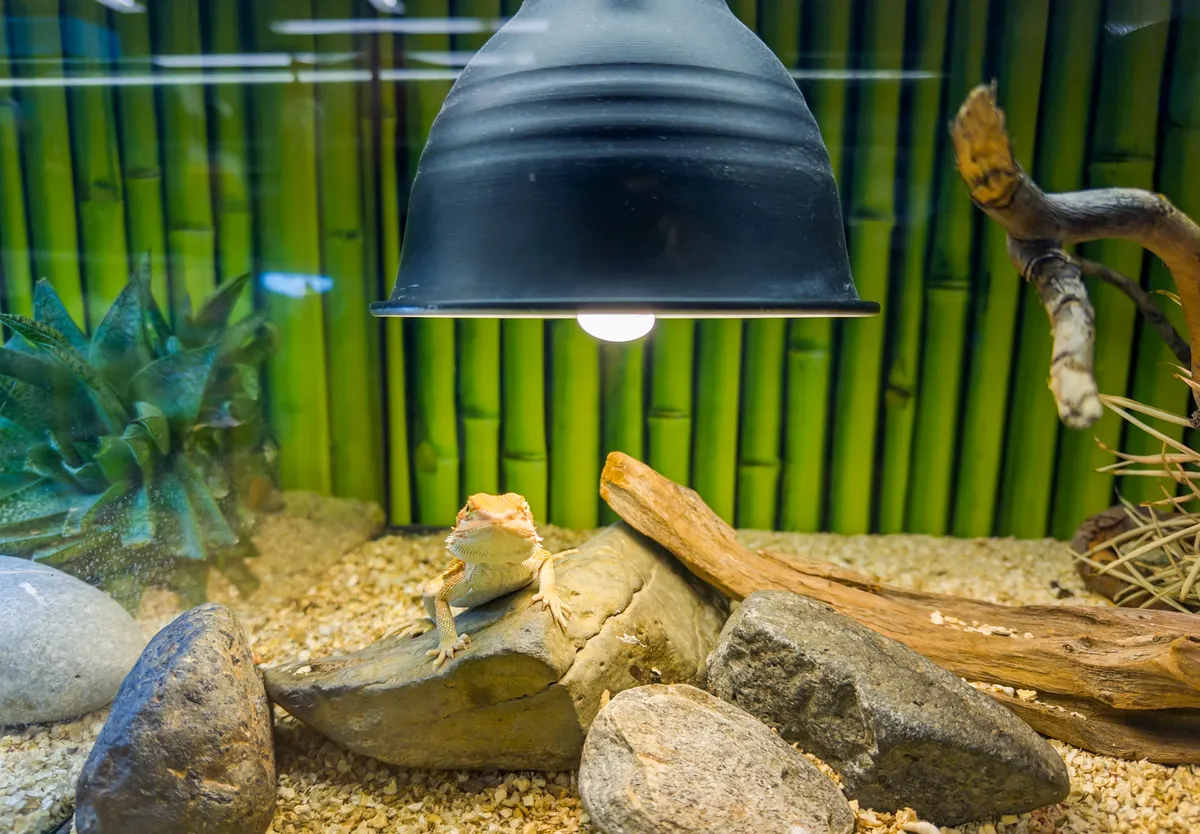
Reptile supply marketing agency: bearded dragon lizard under lamp in terrarium.

How keepers shop for an enclosure and its upkeep

A reptile store sells the environment, not the animal. A bearded dragon, a leopard gecko, a ball python or a crested gecko lives or dies by the temperature gradient, the UVB output, the humidity and the diet the keeper provides, and every product in the store is judged by whether it delivers those numbers for that species. The keeper is often young, well read and precise, and they will check the wattage, the UVB percentage and the enclosure dimensions against a care sheet before they buy.

The economics come in three parts. Enclosures are bulky, often glass, and arrive damaged more than any other pet product. Lighting and heating are the replacement cycle, because UVB bulbs lose output long before they stop glowing and need changing on a schedule. Food is the weekly reorder: live insects that ship with weather holds, frozen rodents that ship cold, and calcium and vitamin powders that dust every meal.

We work with reptile supply stores that already sell online and want visitors, conversion rate, order value and repeat purchases to move together. The growth plan is free and written for your store. If you take it further, the fee is flat and monthly.

The reptile keeper shops from a care sheet. They know the species, they know the enclosure size the species needs as an adult, and they know the basking temperature, the cool-side temperature, the UVB requirement and the humidity range. Every product has to fit that sheet. A heat lamp is chosen by wattage for the enclosure size and the ambient room, a UVB tube by the strength the species needs and the length of the fixture, a thermostat by the type of heater it controls.

The first purchase is the setup, and it is large. Enclosure, lighting, heating, thermostat, thermometer and hygrometer, substrate, hides, water dish and decor, plus the first month of food and supplements. New keepers want a kit for the species; experienced keepers build their own and want the components listed by spec. Both check the enclosure dimensions, the material and the delivery method, because glass arrives broken often enough that the damage policy is read before the price.

The upkeep is the store's real business. Feeder insects are bought weekly or fortnightly by size and species, and the keeper wants to know the ship day, the weather hold policy and the arrive-alive terms. Frozen rodents are bought in bulk by size and stored in a freezer. Calcium and vitamin powders run out on a schedule set by feeding frequency. UVB bulbs are replaced on the manufacturer's cycle, and a keeper who is reminded on time buys from the store that reminded them.

Seasonality is mild but real: winter heat failures, autumn brumation questions, and reptile expos that bring new keepers with new setups.
Where reptile supply stores
lose revenue

The four levers, in this niche.

Visitors

Species pages are the front door

Every reptile search names a species and a parameter: bearded dragon UVB, leopard gecko heat mat, ball python humidity, crested gecko diet. We build campaigns and landing pages per species, with the setup kit for new keepers and the component list for experienced ones, and answer the husbandry questions in organic content so the store is where the care sheet leads. Expo weekends and the weeks after them get their own budget.

Conversion rate

Temperatures, wattage and fit on the page

A reptile product converts when the page states the numbers: the wattage and the enclosure size it suits, the UVB strength and the species it is right for, the fixture length, the thermostat type, the enclosure's internal dimensions and material. We put those on every product with a species compatibility line, show the enclosure's delivery method and damage policy above the button, and state ship days and weather holds on every live and frozen food page.

Average order

The full setup kit per species

A new keeper needs a dozen things at once and will buy them from the store that assembles the list. We build a setup kit per species and enclosure size, priced against the components, with the first month of food and supplements included. Component buyers are shown the thermostat with the heater, the fixture with the bulb, the dusting powder with the feeders. A bulky enclosure carries the shipping cost, so the additions in the same box are margin.

Repeat purchases

UVB replacement and feeder cycles

Repeat in reptiles runs on three clocks: feeders weekly or fortnightly, supplements on the dusting schedule, and UVB bulbs on the replacement cycle. We capture the species, the number of animals and the bulb purchased, then time reminders and subscriptions to each clock, with the bulb reminder as the one keepers most appreciate because they forget it. Frozen food buyers get a bulk reorder timed to freezer stock.

What we do for
reptile supply stores

Five channels, one plan.

Google Shopping and search

Shopping ads for lighting, heat and substrate

Reptile Shopping ads are for the hardware and the dry consumables: UVB tubes and bulbs, heat lamps and mats, thermostats, enclosures, substrate, hides and supplement powders. Live feeders and live animals stay out of the Shopping feed, and frozen food is included only where shipping rules and policy allow it in your region. Campaigns are split by category and titles carry the spec, wattage, UVB strength, fixture length or enclosure dimensions, because the keeper is searching with a number. Search ads target the species and parameter queries and send them to the species page with the matching products beneath the answer. Enclosures are bid against delivered margin and freight damage rate by region, and regions where glass cannot ship safely are excluded. Winter gets extra budget on heating and thermostats. Brand terms sit in a capped campaign. Availability on bulbs must be accurate, since keepers replacing on a schedule will not wait for a backorder.

Meta and TikTok

Enclosure builds and husbandry video

Reptile content on Meta and TikTok is a keeper community that responds to accuracy and rejects anything that looks like poor husbandry. The creative that sells is the enclosure build with every product named and the temperatures shown on the thermometer, the UVB meter reading on a new bulb against an old one, the feeder unboxing arriving alive, the frozen rodent thaw routine. We build ad sets per species, with a new-keeper set around setup kits and an experienced-keeper set around upgrades and replacements. The brand films the enclosure packing and delivery, the damage check, the thermostat setup and the dusting routine. Retargeting shows the kit for the species viewed, then the components the keeper has not yet bought. Live animals and live feeders appear in content but are never listed in Meta catalogues, which do not allow live animal listings. Winter heat-failure creative runs from autumn.

Merchant Center and the feed

Feeders, frozen food and glass in the feed

The reptile feed separates what can be advertised from what cannot. Live animals and live feeder insects are excluded from the Shopping feed and from Meta catalogues. Frozen rodents are included only where your regional policy and cold-chain shipping allow, with shipping attributes set for the real cost and transit time. Hardware carries the spec in the title, wattage, UVB strength, fixture length, and the Google product category is the reptile and amphibian supplies node. Enclosures carry product dimensions and shipping weight so the freight estimate is honest, with regions excluded where glass cannot ship safely. Supplement powders carry the weight in the title and unit pricing per gram. Product highlights carry the species compatibility. Custom labels mark species and replacement-cycle products so the bulb campaign can bid separately. Availability on bulbs and thermostats stays accurate through winter, when a stock gap costs the emergency orders.

SEO and AI search

Husbandry questions and AI answers

Keepers ask assistants what temperature a leopard gecko needs, how strong the UVB should be for a bearded dragon, how often to replace a UVB bulb, how to raise humidity for a ball python, what size enclosure an adult needs, how often to dust feeders with calcium and what to do when a reptile stops eating in autumn. Assistants answer from pages that give the species, the number and the reason, so we write a care page per species with the parameters and the products that deliver them, an answer page per common problem, and a section on every product page stating the species it suits, the spec and the enclosure size. Collections are organised by species and then by need, heat, light, humidity, food, not by brand. Ship-day and arrive-alive terms for feeders are written in text. Each product says which species it is not for, which is the honesty that earns the citation.

Email and SMS

Bulb replacement and feeder reorder flows

The reptile email programme is built on the three clocks. Feeder buyers get a reorder reminder timed to the size and quantity they bought, with the ship-day calendar and the weather-hold status, and a subscription at that interval. Supplement buyers get a reminder timed to the dusting schedule for their species. Bulb buyers get the replacement reminder at the manufacturer's interval, which is the message keepers thank you for, with the same bulb and fixture one tap away. The setup-kit buyer gets a first-month care series for the species: temperatures on day one, feeding on day three, humidity in week two, the first vet check in month one. Enclosure buyers get the delivery-day damage check and the assembly guide. Winter brings a heating check and a spare bulb offer. SMS is used for feeder ship-day notices only. Win-back leads with the bulb or feeder the customer bought most.

First three fixes

What the plan usually starts with for reptile supply stores.

  1. Fix the UVB replacement reminder

    UVB bulbs fade before they fail, and most keepers replace them late. Record the bulb and the date at purchase, send the reminder at the manufacturer's interval with the same bulb one tap away, and you own the one reorder in this niche that nobody else is timing.

  2. Fix live feeder shipping rules

    Feeders that arrive dead cost the order and the customer. State the ship days, the cut-off, the weather-hold rule and the arrive-alive terms on every feeder page and in the cart, keep them out of paid product feeds, and put the feeder reorder on a subscription the keeper can pause.

  3. Fix the enclosure freight damage rate

    Glass enclosures break in transit more than any other pet product. Choose packaging and carriers by damage rate rather than price, show the delivery method and the damage policy above the button, and ask for photos in the delivery-day email so a replacement ships without a dispute.

Questions from reptile supply stores

Live feeders and live animals stay out of Shopping feeds and Meta catalogues, and are sold through organic pages, email and subscriptions with clear ship-day and weather-hold terms. Frozen rodents can be included only where your regional policy and cold-chain shipping allow. Hardware, substrate and supplement powders carry the paid campaigns.

On three clocks: feeders weekly or fortnightly, supplement powders on the dusting schedule, and UVB bulbs on the manufacturer's replacement interval. We record species, animal count and the bulb at purchase, then time reminders and subscriptions to each. The bulb reminder is the one keepers value most.

The wattage and the enclosure size and room conditions it suits, the UVB strength and the species it is right for, the fixture length and the fitting type, the thermostat it should be paired with, the replacement interval and the species it is not suitable for. Plain text so search engines and assistants can quote it.

By choosing packaging and carriers on damage rate, stating the delivery method and damage policy on the product page, sending a delivery-day check that asks for photos, and shipping the replacement without a debate. The review is written about the response, not the breakage.

Winter brings heat failures and emergency orders for lamps, mats and thermostats. Autumn brings brumation questions and appetite changes. Reptile expos bring new keepers who need full setups in the following weeks. Summer brings weather holds on live feeders. We plan budget, availability and email around each.

Other pets stores we work with

Send your reptile supply store store.

The plan says which lever is leaking and what to fix first, for your store as it is today.

Store, name, email and phone. A person replies from a real inbox. Privacy

Get your free growth plan