A personalized gift store is judged on two things a normal retailer never has to prove: that the name will be spelled correctly and that the parcel will arrive before the day. Everything else, the design, the price, the photography, only matters after those two are settled.
The buyer is also not the user. They are choosing for a person they know well, against a fixed date, often while feeling slightly guilty about leaving it late. That means your site has to work as a gift finder rather than a catalogue, your checkout has to handle a delivery address that is not the billing address without tripping a fraud filter, and your product pages have to show a real photograph of a real personalized item, not a template with a placeholder name in a font you do not actually use.
We write growth plans for personalized gift stores that already sell online. The plan covers the personalizer as the conversion step, the occasion calendar and the order-by dates that go with it, the fourth quarter concentration that decides most of the year, and how to turn a one occasion buyer into someone who comes back for the next three.
The buyer starts with a person and a date, not a product. They think my dad, sixtieth, next Saturday, and then go looking for something that feels considered. That is why gift finders organized by recipient, relationship, occasion and price work far better than category navigation, and why a product page that reads as a generic item with a name slapped on it loses to one that reads as a gift for that specific person.
The personalizer is where the sale is won or lost. The customer types a name and immediately wants to see it, in the real font, at the real size, with the real character limit. They want to know what happens to an accent, an apostrophe or a lower case first letter. If the preview is a rough approximation, they hesitate, and hesitation on a gift purchase usually ends in a closed tab rather than a saved basket.
The second question is the date. Personalized goods have production time before they can even be packed, so a shipping estimate on its own is not an answer. The customer needs a delivery date and, near an occasion, a visible order-by deadline.
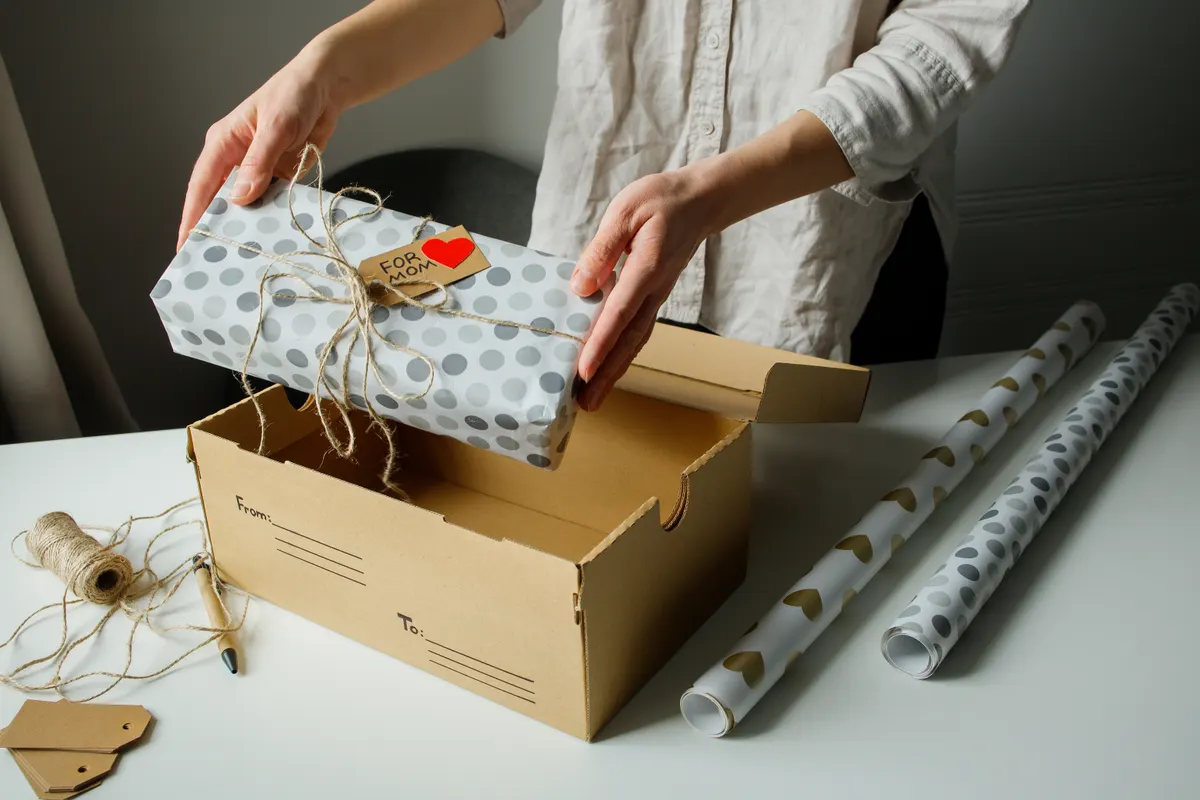
Then comes the presentation. If it is a gift, it usually needs to look like one on arrival, which means wrapping, a gift message, a note that no price is included, and the option to send it straight to the recipient.