Skip to content

Climbing gear marketing agency

Marketing for climbing gear brands selling ropes, harnesses, shoes and hardware online. Certification, rope and device pairing, and the gym to crag path.

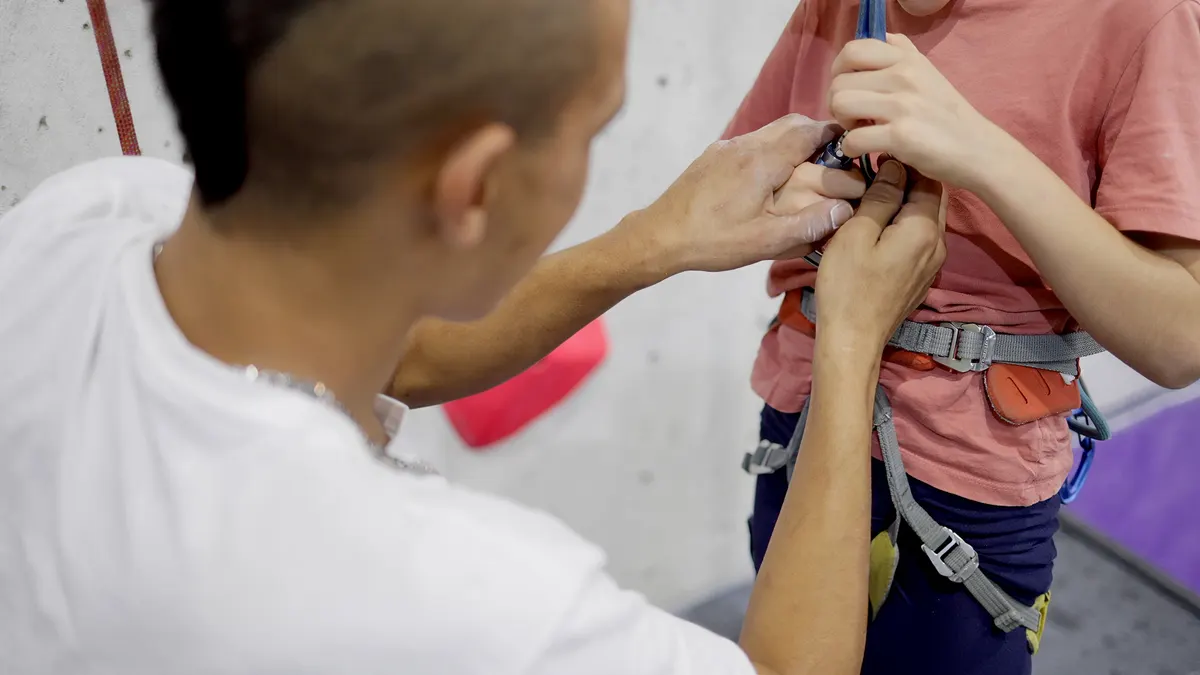
Climbing gear marketing agency: climbing instructor carefully secures a young student's harness and clips the safety rope during indoor rock climbing lesson, focusing on proper gear and guidance.

How climbers buy, from first shoes to a full rack

Climbing gear splits into two halves that behave nothing alike. One half is life-safety equipment: ropes, harnesses, karabiners, slings, belay devices and helmets, all certified to published standards, all with a retirement date, and none of it something a buyer will risk on a store that seems unsure of itself. The other half is soft goods and consumables: shoes, chalk, brushes, tape, crash pads and apparel, bought often, replaced often, and bought on feel.

A store that markets both the same way underperforms on both. Hardware needs the standard, the rated strength, the certification mark and the date of manufacture stated without drama. Shoes need honest sizing language, because climbing shoe sizing bears little relation to street size and downsizing advice is the single most searched question in the category. Chalk and tape need a reorder rhythm.

The other thing shaping this niche is where new climbers come from. Most now start indoors, on a bouldering wall, with rented shoes. Their first purchase is a pair of shoes and a chalk bag, months before a harness, and a year or more before a rope. We build the marketing around that sequence instead of against it. The written growth plan is free, and the work after it is a base fee plus growth share.

The path is unusually predictable. Someone climbs indoors in rental shoes for a few sessions, decides they are going to keep doing it, and buys shoes and chalk. That first purchase is made on fit anxiety, not on brand. They have read that shoes should feel tight, they do not know how tight, and they are terrified of buying a size they cannot wear.

The second stage is a harness, a belay device and a locking karabiner, usually bought together when they start rope climbing or take a course. Here the buying question changes completely. Now they want to know that the device suits the rope diameters they will meet, that the harness waist range covers them with a jacket on, and that everything is certified. They read the specification, not the marketing.

The third stage is outdoor gear: a rope, quickdraws, a helmet, then slowly a rack. These are considered purchases with long research and heavy comparison, and they are often decided by a partner's recommendation or by a page that explains the trade-offs honestly.

Running underneath all of it is consumption. Chalk goes. Tape goes. Rubber wears through at the toe. Brushes wear out. That is the part of the business that repeats every few weeks, and it is usually the part that gets the least attention.
Where climbing gear brands
lose revenue

The four levers, in this niche.

Visitors

Catch the indoor season and the shoe question

Indoor climbing demand rises as the weather closes in and again with the January intake at gyms, while outdoor gear searches peak in spring and early autumn. We build the calendar around both. Shoe sizing and downsizing questions carry enormous search volume all year, so those get dedicated content and search campaigns. Hardware searches are specification led, with rope diameter, harness size range and device model in the query, and they need ad groups that match that precision rather than a generic climbing campaign.

Conversion rate

Say what the shoe will feel like and what the gear is rated to

Two very different conversion problems sit in one catalogue. For shoes, we write per-model sizing notes covering last shape, downsizing range, whether the model stretches, and which foot shapes it suits, alongside a comparison against your other models. For hardware, we put the standard, the rated strength, the certification mark, the weight and the compatible rope diameter range in a fixed position on every page, so a careful buyer can confirm everything without opening another tab.

Average order

Nothing here works alone

A rope needs a rope bag and a way to protect it from grit. A belay device needs a locking karabiner rated to match. A harness is bought with chalk and a chalk bag more often than not. A crash pad goes out with a brush. We build these as real pairings on the product page and in the cart, with the compatibility stated rather than implied, and set the free shipping threshold where a starter set clears it comfortably.

Repeat purchases

Rubber, chalk and the retirement date

Climbing has a genuine replacement clock. Chalk and tape run out in weeks. Shoe rubber wears through at the toe within a season for a regular climber, which is a resole or a new pair. Soft goods have a manufacturer stated lifespan and a retirement guidance the owner is supposed to follow. We build flows around all three, using purchase date and product type to time the message, and we offer the resole route as well as the replacement so the customer trusts the advice.

What we do for
climbing gear brands

Five channels, one plan.

Google Shopping and search

Shopping campaigns split by life-safety gear and soft goods

Hardware and shoes want different bidding logic. Certified hardware is bought on model and specification, converts slowly, and is compared across stores on identical items, so those campaigns lean on stock position, delivery speed and the strength of the product page rather than on a race to the lowest price.

Shoes are a size problem. A model listed without its size variants grouped properly will send shoppers to a page where their size is gone, and that click is wasted. We group sizes correctly and keep availability fresh so the ad only wins clicks you can serve.

Chalk, tape and brushes carry a small ticket, so they run in their own low-cost campaign judged on basket size rather than item margin. Search ads take the questions Shopping cannot match, such as which belay device suits a thin rope, and land on a filtered collection with the answer at the top.

Meta and TikTok

Meta and TikTok filmed on the wall, not in a studio

Climbing audiences are unusually quick to spot a brand that does not climb. The creative that works is footage of the product in use with the detail visible: the toe of the shoe on a small hold, the rope running through the device, the brush on a greasy hold, the harness loaded on a hang.

We separate the first-time indoor climber from the experienced outdoor climber, because the first wants reassurance and the second wants specification. Beginner ad sets lead with the shoe sizing question and land on a fit guide. Experienced ad sets lead with the technical detail and land on the product itself.

TikTok rewards short teaching clips: how to check a harness before retiring it, how to tie in, how to size a shoe. Those build the audience that later buys hardware. Retargeting is short and offers the specific model the visitor looked at, in their size, with the returns terms visible.

Merchant Center and the feed

Feed data for certified hardware and shoe sizing

The feed has to carry the two facts a climbing buyer checks. For hardware that means the certification and the rated figures in product highlights and in the description, with the model name in the title exactly as the manufacturer writes it, since that is what people search.

For shoes, every size is a variant sharing one item group ID, with the size system stated and applied consistently so a shopper in one region is not guessing. Titles carry model, then size, then the closure type, because closure is a genuine filter for climbers.

Availability per size needs frequent refresh, since climbing shoe sizes sell out unevenly and mid sizes go first. Custom labels mark discipline, so bouldering, sport and trad products can be split in campaigns, and mark which items are consumables so they can be bid on differently. Never carry second-hand life-safety items in the feed.

SEO and AI search

The sizing, pairing and retirement questions climbers ask

Climbers put very answerable questions to assistants and search engines: how much should I downsize climbing shoes, what rope diameter does my belay device take, when should a rope be retired, do I need a helmet for indoor lead climbing, what is the difference between a sport and a trad harness, how do I wash a rope. The pages that answer those in plain text are the pages that get cited.

So each shoe model gets a written sizing note and a comparison with your other models. Each device gets a stated rope diameter range and a note on which of your ropes fall inside it. Each soft good gets a care and inspection section covering what to look for and when to stop using it.

Collection pages are organised by discipline and by stage, such as first indoor kit, first rope kit and building a rack, because that is how climbers describe their own position.

Email and SMS

Flows keyed to the stage, the season and the wear

The most valuable sequence a climbing brand can run is the progression flow. Someone who bought their first shoes is, within a few months, a candidate for a harness and belay device, then a helmet, then a rope. We time that sequence to the customer's own purchase dates rather than to a promotional calendar, and we teach in each message rather than discount.

Alongside it runs the consumable flow. Chalk and tape reorder prompts based on how much was bought and how often the customer climbs, and a resole prompt to shoe buyers timed to a season of regular use, with the option of resoling or replacing stated fairly.

A third flow covers inspection and retirement. A message to soft-goods buyers with the manufacturer's guidance on checking and retiring gear builds more trust than any promotion, and it produces replacement orders honestly. SMS stays for restock alerts on sizes.

First three fixes

What the plan usually starts with for climbing gear brands.

  1. Write a sizing note for every shoe model

    Street size is not a useful starting point in climbing shoes. Publish the last shape, the downsizing range for that model, whether the upper stretches, the foot shapes it suits and how it compares with your other models. This is the single biggest lever on both conversion and returns in a climbing catalogue.

  2. Put the standard and the compatible range on every hardware page

    Certification mark, rated strength, weight, and for devices the rope diameter range they accept, in a fixed block on every listing. Buyers of life-safety gear will not guess, and the page that makes them look elsewhere loses the sale to whoever published the number.

  3. Sell the consumables to the customers you already have

    Chalk, tape and brushes are bought again within weeks and are almost never marketed to past customers. Build the reorder flow, put a consumable pairing on every shoe and pad page, and give the small items their own low-cost campaign judged on basket size rather than on the margin of a single tub.

Questions from climbing gear brands

It sets the order of what you sell them. The first purchase is shoes and chalk, made on fit anxiety, so that page has to do the reassurance work. Harness, device and helmet come next, then a rope. We build the campaigns, content and email sequence in that order and let each stage feed the next.

We do not put used ropes, harnesses, karabiners or helmets in feeds or ads. The standard practice in the category is that life-safety soft goods with unknown history are not resold, and a store that does it invites problems that no amount of marketing repairs. Used shoes and pads are a different matter and can be listed as graded stock.

A per-model sizing note rather than a single chart, a comparison table between your own models, photographs of the shoe on a foot from the side and above, and an exchange path that swaps a size in one step. Stating which models stretch and which do not also removes a large share of the guessing.

There are two. Indoor demand builds through autumn and peaks with the new-year intake at gyms, when a lot of first shoe purchases happen. Outdoor gear demand peaks in spring and again in early autumn when conditions are good. We budget for both and use the quiet weeks to prepare product content.

As separate audiences with separate catalogues. A boulderer buys shoes, chalk, brushes and a pad, and may never buy a rope. A rope climber buys a longer list over a longer period. We tag products by discipline in the feed, split campaigns accordingly, and organise collection pages so neither audience has to wade through the other's gear.

Other sports & outdoor stores we work with

Send your climbing gear brand store.

The plan says which lever is leaking and what to fix first, for your store as it is today.

Store, name, email and phone. A person replies from a real inbox. Privacy

Get your free growth plan