Skip to content

Cycling gear marketing agency

Marketing for cycling gear stores that sell components, tyres, apparel and complete bikes online. Fitment answered on the page, feed fixed before spring.

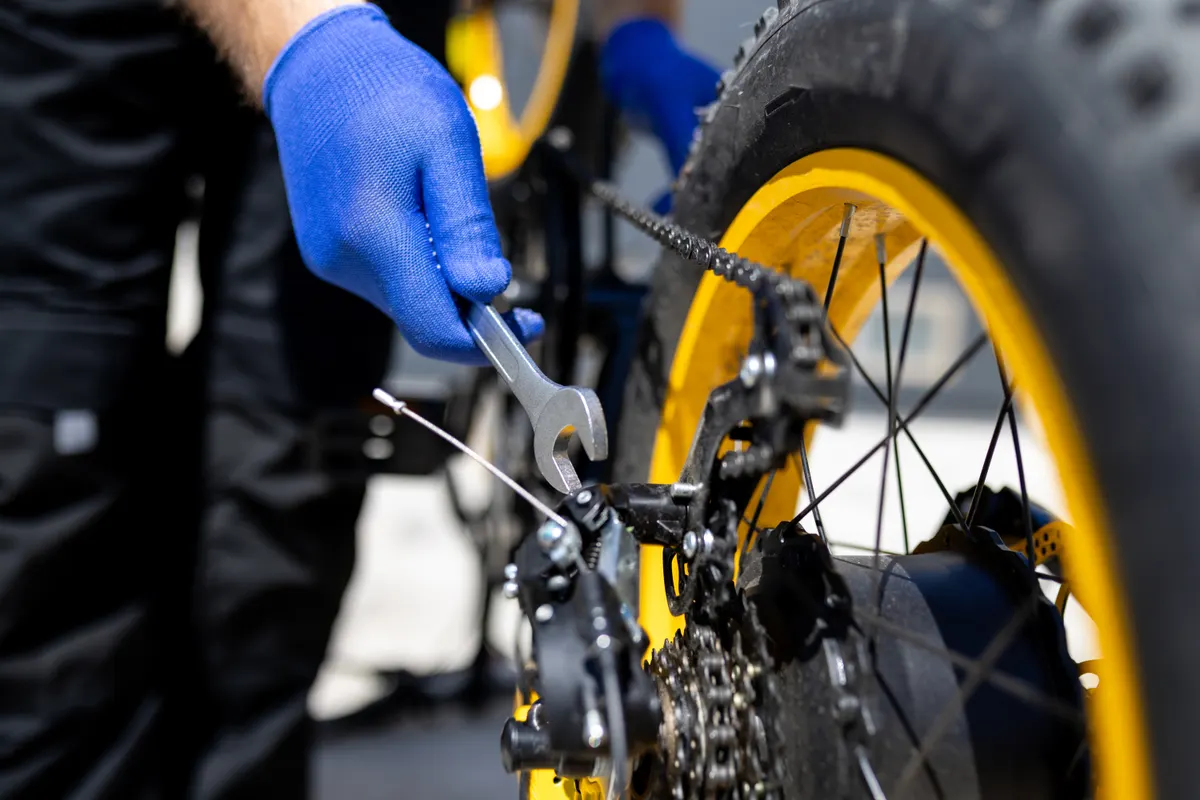
Cycling gear marketing agency: bicycle repair in progress with focus on rear gears and chain adjustment.

How riders buy cycling gear online

Cycling gear sells to riders who already know their frame size, their groupset and their brake standard, and who leave the moment a product page does not confirm the part will fit. Most lost revenue in this niche is not a traffic problem. It is a compatibility problem that shows up as a low conversion rate on component pages and a high return rate on the parts that did sell.

We work with cycling gear stores that already sell online: shops that stock components, tyres, tubes, apparel and complete bikes, and brands that make one category well. The plan starts by reading your store the way a rider does. Can they filter tyres by width and bead type? Does the cassette page say which freehub body it needs? Does the complete-bike page show a size chart by rider height, and does the shipping line explain how a bike box arrives and how much assembly is left?

From there we fix the weakest of the four levers first. In cycling that is usually conversion on parts pages or repeat purchases on consumables, because the spring surge in visitors tends to arrive on its own.

A rider's purchase starts with a bike, not a product. They have a specific frame with a specific bottom bracket shell, axle standard, brake mount and drivetrain speed count, and every part they add must match all of it. So they research before they shop, often by asking an AI assistant or a forum whether a 12-speed chain works on their 11-speed cassette, and they arrive at your store with a part number in mind.

Price comparison is intense because branded components carry a GTIN and appear side by side in Google Shopping. The store that wins is rarely the cheapest by a few dollars. It is the one that ships today, shows stock honestly, and answers the fit question on the page.

Consumables drive the second and third orders. Tyres, tubes, sealant, chains, cassettes, brake pads, bar tape and lube wear out on a schedule tied to mileage and weather. A rider who bought a chain from you in March will need another before autumn if they ride a lot, and they will buy it wherever they are reminded first.

Complete bikes and wheelsets are the big tickets. They ship oversized, they raise assembly questions, and they carry the most hesitation at checkout. That is where clear delivery language and a build-status email earn their keep.
What we do for
cycling gear stores

Five channels, one plan.

Google Shopping and search

Shopping campaigns built around part numbers and fitment

Branded components already carry GTINs, so Google Shopping shows your listing beside every other store selling the same cassette. We split campaigns by margin and by intent rather than by brand alone. Search terms that include a speed count, a rotor size or a tyre width signal a rider who knows exactly what they need, and those get their own ad groups with landing pages filtered to that spec.

Complete bikes get a separate structure. Their searches include frame size and model year, they convert slower, and they need a landing page that shows delivery method and assembly status. We keep those budgets away from the fast-moving consumables so the two do not compete.

Negative keywords matter here more than in most niches. Terms that mean a car part, a motorcycle part or a spin class waste spend quickly, and we review search terms weekly through the spring surge.

Meta and TikTok

Meta and TikTok ads for the rider who upgrades one part at a time

Most cycling purchases start with a bike a rider already owns, so cold prospecting works best when it shows a specific upgrade on a specific kind of bike: a tubeless setup on a gravel frame, a wider tyre on an endurance road bike, a dropper post on a hardtail. Generic lifestyle shots of riders on a ridge get scrolled past by the people who actually buy.

We build creative around before and after fitment, short install clips, and honest weight or width comparisons between two products in your own range. Retargeting follows the rider from the component they viewed to the parts that go with it.

Timing follows the calendar. Spring creative sells service parts and tyres. Late summer sells lights and wet-weather clothing. Winter sells indoor trainer accessories and the parts riders fit while the bike is off the road.

Merchant Center and the feed

A feed that carries speed count, width and axle standard

Merchant Center approves a cycling feed on the basics, then serves it badly because the attributes riders search by are missing. We add speed count, tyre width and bead type, rotor size, axle spacing and freehub standard to titles and to custom labels, so Shopping can match a search for '700x32 tubeless' to the right product rather than to the parent category.

Variants are grouped correctly under item_group_id so a tyre in five widths does not appear as five unrelated listings. Complete bikes carry size as a variant, not as separate products.

We also keep shipping settings honest. A bike box costs more to ship than a tube, and a feed that quotes one flat rate for both collects price-mismatch warnings and disapprovals. Separate shipping groups for oversized items prevent that.

SEO and AI search

Collection pages and answers for the questions riders ask before they buy

Riders ask AI assistants the same things they used to ask a shop mechanic: does this cassette fit my freehub, what tyre width clears my frame, which chain works with my groupset. A store that answers those questions plainly on its own pages is the store that gets cited and clicked.

We build collection pages around the way riders filter: by wheel size, by speed count, by brake type, by discipline. Each gets a short answer at the top, not a paragraph of category filler. Product pages get a fitment section written in full sentences that an assistant can quote.

Support content covers compatibility questions and service intervals. It is not blog filler. It is the reference a rider checks before a purchase, and it links straight to the parts that solve the problem.

Email and SMS

Flows timed to wear, weather and the riding season

The most valuable email in a cycling store is the one that arrives just before the rider notices their chain is worn. We build post-purchase flows keyed to what was bought: a chain purchase triggers a wear-check reminder months later, a tyre purchase triggers sealant and tube offers, a complete bike purchase triggers a first-service checklist and then a first-upgrade suggestion.

Seasonal sends follow the calendar rather than the marketing plan. A pre-spring service kit email in late winter, a lights and mudguards email as evenings shorten, an indoor training email when the clocks change.

SMS is reserved for stock-back alerts on parts riders wait for and for shipping updates on bikes. Riders are happy to hear that the frame they wanted is back. They are not happy to get a text about a sale on socks.

First three fixes

What the plan usually starts with for cycling gear stores.

  1. Add a fitment table to every component page

    Speed count, freehub or axle standard, rotor size, tyre width and clearance in one short table above the fold. It answers the question that sends riders back to search and cuts returns on parts that did not fit.

  2. Split oversized shipping from parcel shipping in Merchant Center

    Bikes, wheelsets and frames get their own shipping group with real rates. Consumables keep the parcel rate. This removes the mismatch warnings that get whole feeds throttled during spring.

  3. Build a wear-part reminder flow

    Chains, tyres, pads and cassettes each get a post-purchase reminder timed to typical wear. It is the cheapest repeat-purchase lever in the store and it usually does not exist yet.

Questions from cycling gear stores

Both, but not in the same campaign. Complete bikes convert slower, carry higher order values and need landing pages that explain box delivery and assembly. Parts and consumables convert quickly and repeat. The plan says which of the two your store should fund first based on margin and stock.

Yes, on the terms where price is not the deciding factor. Searches that include a spec are made by riders who want the right part shipped today, and stock accuracy, delivery speed and a clear fitment page decide those. We concentrate budget there and let low-margin generic terms go.

We change what the store sells rather than trying to force summer demand. Winter creative and email move to indoor trainer accessories, lights, cold-weather clothing and the service parts riders fit while the bike is off the road. Spring budgets are prepared in winter so the feed is clean by March.

Enough that a rider never has to guess. For drivetrain parts that means speed count and freehub standard. For brakes it means mount type and rotor size. For tyres it means width, bead type and the frame clearance they need. We write it as a short table and as a sentence an AI assistant can quote.

The bike lasts years. The chain, tyres, pads and bar tape do not. We build reminder flows around the wear parts, and we use the bike purchase itself as the anchor for a first-service and first-upgrade sequence, so the store stays in the rider's inbox between big purchases.

Other sports & outdoor stores we work with

Send your cycling gear store store.

The plan says which lever is leaking and what to fix first, for your store as it is today.

Store, name, email and phone. A person replies from a real inbox. Privacy

Get your free growth plan