Skip to content

E-bike marketing agency

Marketing for e-bike brands selling online: class and assist rules, honest range language, battery shipping limits, freight delivery and service after the sale.

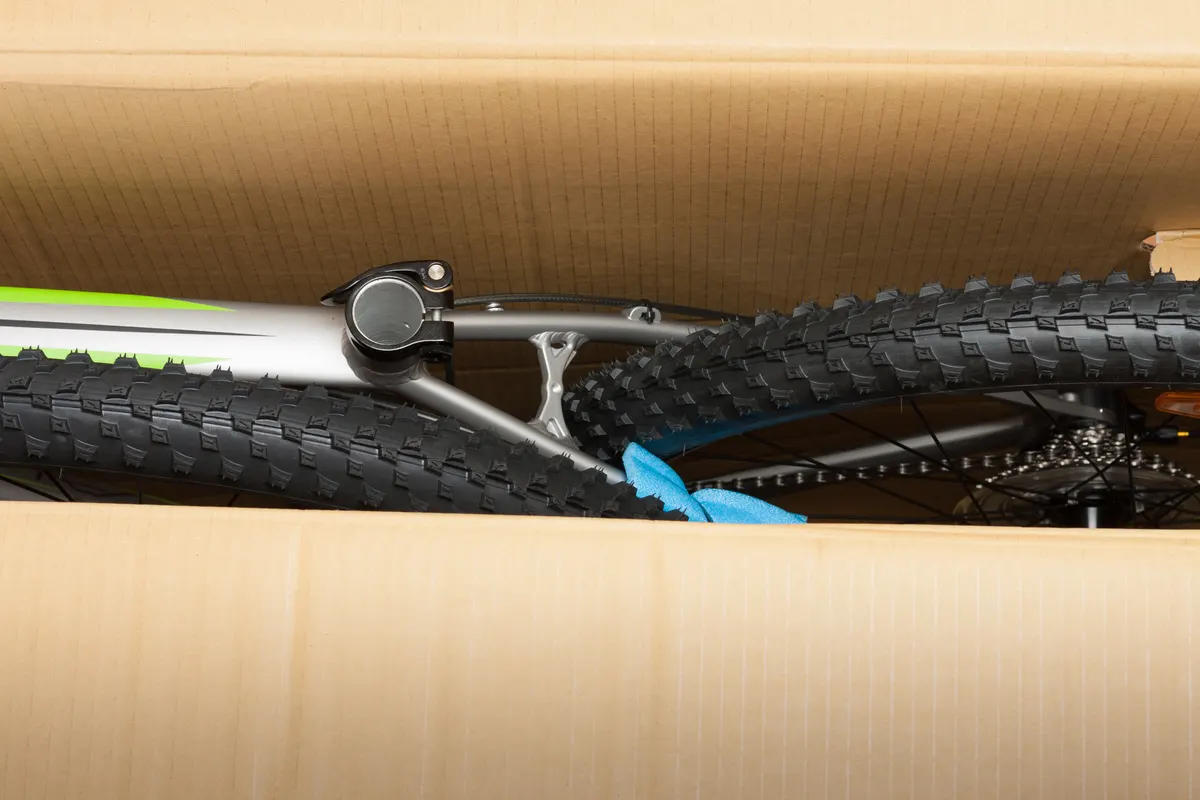
E-bike marketing agency: bike in paper box, photo from unboxing bike.

How someone decides to buy an e-bike from a website

An e-bike is one of the largest purchases a person will make online without sitting on the product first, and almost every hesitation in the funnel comes from that fact. The shopper wants to know whether it is legal where they ride, how far it really goes, what happens when something breaks, how it arrives, and how much of it they have to assemble on their own driveway.

On top of that sits a set of constraints no other bike brand deals with. Lithium batteries travel under dangerous goods rules, which limits the carriers, the services and sometimes the destinations you can offer. Assist limits and throttle rules differ by country and by state, so the same model can be a straightforward sale in one market and a restricted one next door. Range depends on rider weight, terrain, tyre pressure, temperature and assist level, so any single number you publish will be wrong for most of your customers.

We work with e-bike brands that already sell direct. The plan looks at your four numbers, visitors, conversion rate, average order and repeat purchases, in the context of a high-ticket product with freight delivery and a service tail. The plan is free and written. The work after it is a base fee plus growth share.

The trigger is usually practical rather than sporting. A commute that has become unpleasant by car. A second car that is not worth replacing. Hills that ended the cycling habit. Wanting to keep up with a partner on rides. Doing the school run and the shopping without a car. Each of those points at a different bike, and a shopper who arrives with the commute problem does not want to read about trail geometry.

Research is long and comparison heavy. They read about hub motors and mid-drives, torque figures, battery capacity in watt hours, and whether they need suspension. They watch reviews. They ask an assistant whether a class three bike is legal on their local path, or whether a throttle is allowed in their country.

Then the objections arrive, and they arrive in the same order almost every time. How far does it actually go for someone my weight on my route. What happens if the motor or the battery fails, and who fixes it. How does it get to me, and what do I have to do when the box lands. Can I get a replacement battery in three years, and what will it cost.

A store that answers those four in plain language on the product page converts far better than one that answers them in a support ticket a day later.
Where e-bike brands
lose revenue

The four levers, in this niche.

Visitors

Be found by the job, the class and the market

E-bike search splits by purpose and by rule. Commuter, cargo, folding, fat tyre, trail and step-through are different queries with different buyers, and class or assist-limit terms appear constantly because riders are checking legality before they shop. We build campaigns around those groupings, keep market-specific rule queries in their own ad groups, and exclude regions where you cannot ship a battery or where the model does not meet local assist rules, so budget is not spent on riders you cannot serve.

Conversion rate

Answer range, delivery and service before the cart

Publish a range table rather than a single number, showing the assist level, the rider weight assumption and the terrain, and say plainly that conditions change it. Show how the bike arrives, what is already assembled, what tools are in the box and how long the setup takes. Name who services it, how a warranty claim works and how a replacement battery is ordered. Those four answers, visible before checkout, remove most of the hesitation on a high-ticket page.

Average order

The bike is the start of a build

Almost nobody rides a new e-bike unaccessorised for long. A rack and panniers for the commuter, a good lock sized to the frame, mudguards, lights, a helmet, a spare charger for the office and a second battery for longer rides. We build these into the product page as compatible, named parts rather than a generic accessories grid, and put the pairing again in the cart and in the post-purchase step while the buyer is still planning their first rides.

Repeat purchases

Service parts now, a battery later

The bike itself does not repeat, but everything around it does. Brake pads, tyres, tubes, chains and cassettes wear faster on an e-bike because of the extra weight and speed, which gives a genuine service cycle you can time from the delivery date. Beyond that sits the battery replacement conversation a few years in, and the second bike for a partner. We build flows for the service parts first, because they arrive soonest and prove the brand is still there.

What we do for
e-bike brands

Five channels, one plan.

Google Shopping and search

Shopping and search for a high ticket with shipping limits

The bikes and the parts belong in different campaigns with different expectations. Bike campaigns convert slowly, carry a long consideration window and need landing pages that lead with range, delivery and service. Parts and accessories convert quickly and pay for themselves, so they should never share a budget with the bikes or they will absorb it.

Geographic targeting matters more here than in almost any sports niche. Where you cannot ship a battery, or where a model does not meet the local assist limit, the region is excluded rather than bid down. Where a market allows a throttle and another does not, the ad copy and the landing page follow the market.

Search terms that describe the job, such as cargo bike for a school run or folding commuter bike for a train, are worth their own ad groups because they carry a buyer with a clear use in mind and a shorter path to a decision.

Meta and TikTok

Meta and TikTok showing the ride, the load and the box

The creative that moves e-bikes is not a hero shot. It is the commute filmed on the actual route with the hill in it, the cargo bike loaded with two children and a week of shopping, the folding bike going onto a train, and the unboxing that shows exactly how much assembly is left.

We run the objection-handling content as ads, not just as support pages. A short clip on how far the battery goes for a heavier rider on hills does more work than any lifestyle sequence, because it answers the thing stopping the purchase.

Audiences are built around the practical trigger rather than around cycling interest, since many buyers do not consider themselves cyclists at all. Retargeting runs long, because the decision takes weeks, and it rotates through the four objections instead of repeating one message. Test-ride and dealer-locator visitors get their own sequence.

Merchant Center and the feed

Feed setup for own-brand bikes, freight and batteries

Most e-bike brands own their catalogue outright, so identifiers need care. Where a product genuinely has no manufacturer barcode, set identifier exists to false rather than inventing a code, and make sure the brand field carries your brand consistently across every item.

Shipping is the part that goes wrong. Bike boxes are oversized and travel by a different service from a set of brake pads, and batteries carry dangerous goods restrictions that rule out some services entirely. Those need separate shipping settings in the feed so the delivered price and the delivery estimate shown in the ad match what the checkout will actually offer.

Titles should carry the model, the frame size or step-through style and the key spec a shopper filters on. Product highlights hold battery capacity, motor position, assist class and total weight. Custom labels mark which models are legal in which markets so campaigns can be built on that.

SEO and AI search

Legality, range and repair questions people ask assistants

The questions are remarkably consistent: is a throttle legal where I live, what is the difference between the classes, how far will this go if I weigh more than the test rider, do I need a licence or insurance, can I ride it on a shared path, how long does the battery last before it needs replacing, who repairs it if it fails. Assistants answer from pages that state the facts plainly, and most brands hide these in a support portal.

We move them onto the site. Each model page gets a range table with its assumptions, a specification block with motor, battery capacity and weight, an assembly section, and a service and warranty section written in ordinary words.

Market-specific rule pages explain the local assist and throttle position without giving legal advice, and collection pages are grouped by the job the rider is trying to do rather than by frame category.

Email and SMS

Flows for a long decision and a long ownership

Pre-purchase email carries most of the weight here, because the decision takes weeks. A sequence that takes one objection at a time, range then delivery then service then finance, gives the shopper a reason to come back without a discount, and it tells you which objection each person is stuck on by what they open.

After delivery the flows change job. Day one covers assembly and the first charge. The first week covers fitting the accessories they bought and the ones they did not. A few weeks later comes the first service check, since e-bike drivetrains and brakes wear faster than a normal bike.

From there it is a long, low-frequency relationship: seasonal storage and charging advice, service part reminders timed to delivery date, and eventually the battery health conversation. SMS is used only for delivery windows, which on freight deliveries genuinely matter.

First three fixes

What the plan usually starts with for e-bike brands.

  1. Replace the single range number with a range table

    One number is wrong for nearly everyone and it generates complaints. Publish a short table by assist level with the rider weight and terrain assumed, and say clearly that hills, cold and tyre pressure change it. Honest range language reduces returns and gives your ads a claim you can stand behind.

  2. Separate battery, freight and parcel shipping in the feed

    A bike box, a spare battery and a set of brake pads travel on three different services with different restrictions. Set them up separately so the delivery estimate in the ad matches the checkout, and exclude destinations where the battery cannot legally travel instead of taking the order and cancelling it.

  3. Put service and spares on the product page

    The unspoken objection on a direct-sold e-bike is what happens in year three. Name how a warranty claim is handled, whether a local shop can service it, and that replacement batteries and motors are available. Answering it on the page rather than in a ticket removes the last reason to buy from a shop instead.

Questions from e-bike brands

It changes targeting rather than messaging. Regions you cannot ship a battery to are excluded from the campaigns entirely, and spare batteries get their own shipping setup separate from the bikes. It is cheaper to switch off the traffic than to pay for clicks that end at a checkout error.

Advertise a range with its conditions attached, or advertise a range table instead of a single figure. State the assist level, the assumed rider weight and the terrain. A number with no context is the most common source of complaints and returns in this niche, and it makes every other claim on the page harder to trust.

We mark each model with the markets it complies with using custom labels in the feed, build separate campaigns and landing pages per market, and write a plain rules page for each one. Ad copy never promises a capability that is restricted in the market it is running in.

Reduce the risk another way. A clear return window with the terms in plain words, a geometry and fit chart by rider height, video of a rider of a stated height on the bike, and where you have partner shops or demo events, a locator with dates. The objection is not really about riding, it is about being stuck with the wrong bike.

Service parts first. E-bikes wear brake pads, tyres and chains faster than an unassisted bike, so a flow timed from the delivery date produces genuine orders within months. After that come accessories, a spare or replacement battery, and the second bike for someone else in the household.

Other sports & outdoor stores we work with

Send your e-bike brand store.

The plan says which lever is leaking and what to fix first, for your store as it is today.

Store, name, email and phone. A person replies from a real inbox. Privacy

Get your free growth plan