Skip to content

Fishing tackle marketing agency

Marketing for fishing tackle stores selling lures, line, rods and terminal tackle online. Species, season and colour variants handled in the feed and the inbox.

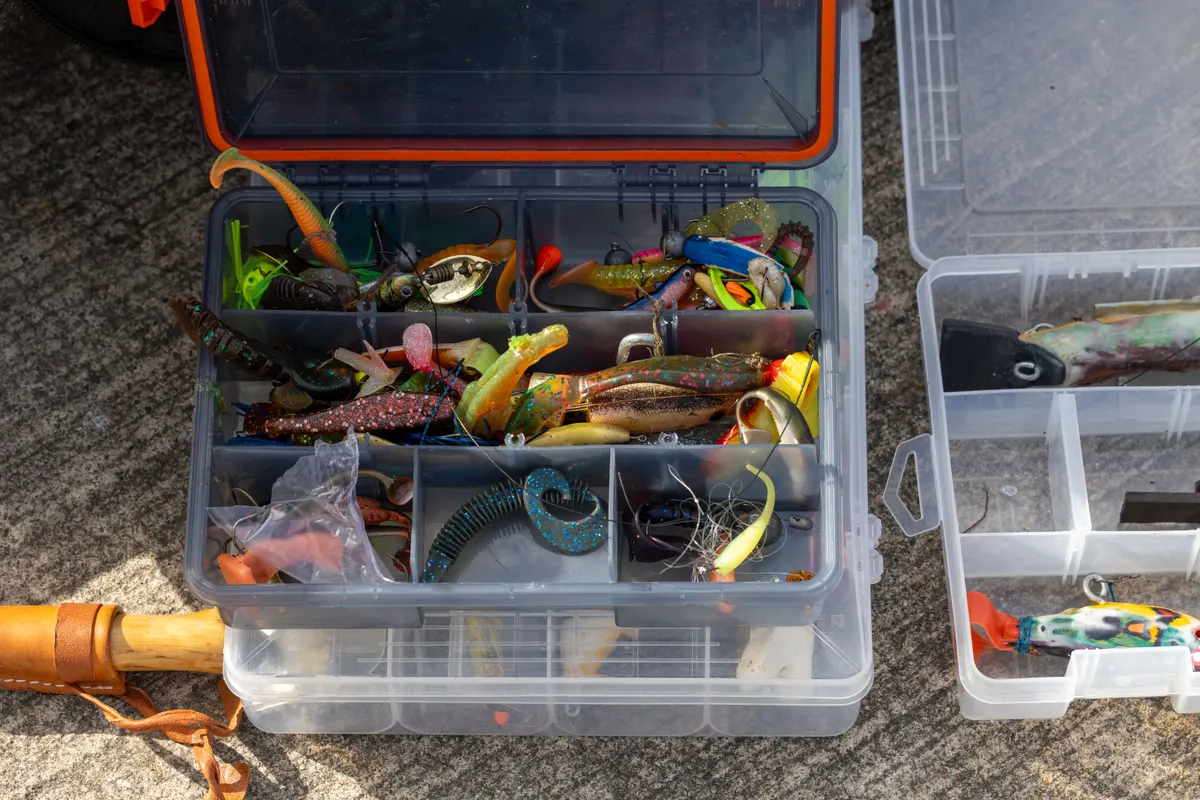
Fishing tackle marketing agency: stockholm, Sweden A box of fishing tackle on a pier.

How anglers shop for tackle between trips

Fishing tackle is the most consumable category in sport, and the store that treats it as consumable wins. An angler does not buy one lure. They buy the colour that worked last week, lose two of them on a snag, and need line, hooks and soft plastics again before the next trip. The revenue leak in most tackle stores is not that anglers fail to come back. It is that nobody asks them to, and that a catalogue of thousands of colour and size variants is served to Google as a blur.

We work with fishing tackle stores that already sell online: general tackle shops, species specialists in bass, trout, walleye or saltwater, and brands that make their own lures, rods or terminal tackle. The plan starts with how your catalogue is structured. Are lure colours variants of one product or separate listings that compete with each other? Do rods ship in a tube with the length surcharge priced in? Does the store know which species each customer fishes for, and when their season opens?

Then we fix the lever that leaks most. In tackle that is nearly always repeat purchases, because the reorder cycle is short and the store is usually silent.

Anglers buy by species, water and season, in that order. A shopper is not looking for a lure. They are looking for something that catches largemouth in stained water in early spring, or a jig that works through the ice in January, or a leader that holds up to saltwater teeth. Product names and colours are vocabulary they already speak, and they search with it: a colour name, a weight in ounces or grams, a hook size.

They ask AI assistants tactical questions before they shop. What lure for bass in murky water. What line weight for trout in a small stream. What size hook for a certain bait. The store that answers those on its own pages gets the visit, and the visit turns into a basket of small items rather than one purchase.

Trips are frequent and gear is lost, so reorders are constant through the season. Line gets replaced, hooks rust, soft plastics tear, favourite lures end up in trees. A tackle store's best customer orders many times a year in small amounts.

Rods and reels are the durable purchases and they carry the shipping problem. A rod ships in a long tube that attracts length surcharges, and a store that hides that cost until checkout loses the sale there. Seasonality is regional too: openers differ by species and by province or state, ice fishing exists in some markets and not others, and saltwater keeps its own calendar.
What we do for
fishing tackle stores

Five channels, one plan.

Google Shopping and search

Shopping campaigns organised by species and by what gets reordered

A search for a lure by name and colour is a purchase waiting to happen, and a search for 'bass lures' is a browse. We separate the two so the specific searches get the bids and landing pages they deserve, and generic terms are used only where the margin supports them.

Campaigns are grouped by species and season rather than by product type, because that is how anglers search and it makes budget shifts easy: spend moves to trout ahead of opener, to bass through spring and summer, to ice tackle when the lakes freeze in markets that have them.

Consumables are treated differently from rods and reels. Line, hooks, weights and soft plastics get steady, low-cost campaigns that keep the store in front of the angler all season. Rods and reels get campaigns that account for the tube shipping cost and the longer consideration.

Meta and TikTok

Meta and TikTok content built on catches, not catalogue shots

Anglers trust a lure they have seen catch a fish. Creative that shows the retrieve, the strike and the landed fish sells more than a product on a white background, and anglers supply that footage happily when asked. We run customer catch content as ads, with permission, alongside short technique clips from your own team.

Targeting follows species and water type rather than a generic fishing interest. A saltwater surf angler and a fly angler on a mountain stream have almost nothing in common as customers.

Retargeting follows the box logic. Someone who viewed a jig sees the trailers and hooks that go with it. Someone who bought line sees leader and swivels. Seasonal creative moves with the calendar, and it is refreshed often because anglers follow a small number of accounts and notice repetition quickly.

Merchant Center and the feed

A feed where colour, size and weight are variants Shopping can read

Tackle catalogues are large and full of near-duplicates. A single lure model in twelve colours and three sizes is one product with thirty-six variants, and it must be grouped under one item_group_id with colour and size attributes filled in properly. When each variant is uploaded as its own product, they compete with each other in the auction and the feed fills with disapprovals for duplicate content.

Titles carry the terms anglers search: model name, colour name as printed by the maker, weight in the unit your market uses, hook size. Custom labels tag species and season so campaigns can be built and rebalanced without touching the feed again.

Shipping for rods needs its own group with the tube surcharge priced honestly. Lead weights may be restricted in some regions, and the feed should exclude those products from markets where they cannot be sold rather than collect policy disapprovals.

SEO and AI search

Species pages and answers for the tactical questions anglers put to assistants

Anglers ask what works, and they ask it in detail: which lure colour in stained water, what line for a certain fish in a certain river, what jig weight for a certain depth. AI assistants answer from the pages that state those things plainly. We build species and technique pages that give a direct recommendation from your range, with the reasoning, and link to the products.

Collection pages are organised by species and technique, not only by product type. A bass collection with sub-collections for topwater, jigs, soft plastics and crankbaits mirrors how an angler thinks and how they search.

Product pages state the specifics: weight, size, hook, running depth, action. Regional content covers openers, regulations that affect tackle choice, and seasonal patterns for the waters your customers fish.

Email and SMS

Reorder flows keyed to species, season and the last order

A tackle store's email list is its most valuable asset because the reorder cycle is so short. We segment by species fished, taken from what customers actually bought, and send opener reminders, seasonal pattern notes and restock prompts that match.

Post-purchase flows are simple and frequent. Line purchases trigger a replacement reminder partway through the season. A lure purchase triggers a message offering the same colour in a different size, or the hooks and trailers that pair with it. A rod purchase triggers a reel and line pairing.

SMS earns its place here for stock-back alerts on hot colours and for short pre-weekend restock prompts during peak season. Anglers plan trips around weekends and weather, and a message on Thursday that says the colour they wanted is back in stock gets read.

First three fixes

What the plan usually starts with for fishing tackle stores.

  1. Restructure lure variants under one parent product

    Colours and sizes become variants of a single listing with proper attributes. Shoppers find the colour in one click, Shopping stops seeing duplicates, and stock alerts work at the variant level.

  2. Price rod shipping honestly and show it early

    Tube shipping carries a length surcharge. Showing it on the product page, and setting a matching shipping group in Merchant Center, removes the checkout surprise that loses rod sales.

  3. Segment the list by species and switch on opener reminders

    Purchase history tells you who fishes for what. Opener and season reminders by species, with the consumables that season needs, are the first repeat-purchase flow a tackle store should run.

Questions from fishing tackle stores

Yes, and the feed work is the point. Once colours and sizes are grouped as variants with clean titles, Shopping matches the specific searches anglers make by colour and weight, and those convert. Uploading each colour as a separate product is what makes tackle feeds expensive and messy.

We build the calendar into the account. Custom labels tag species and season, campaigns are grouped by species, and email segments are keyed to what each customer fishes for. Budget and sends shift by region as openers arrive rather than treating the country as one market.

Fewer than in hunting, but a few. Some regions restrict lead sinkers and jig heads, and those products should be excluded from markets where they cannot be sold. Knives and certain tools can trip weapons rules on some platforms. We check each product line against the current policy rather than assuming.

Because consumables are where repeat business lives, and repeat business is usually the weakest lever in a tackle store. Rods and reels still get their own campaigns and honest shipping, but the customer who reorders line, hooks and lures ten times a season is worth more over time than most single rod sales.

With permission, yes, and they usually outperform product shots. We set up a simple way to collect catch content from customers, get the rights in writing, and rotate it through social ads and email. Anglers trust a lure they have seen catch a fish.

Other sports & outdoor stores we work with

Send your fishing tackle store store.

The plan says which lever is leaking and what to fix first, for your store as it is today.

Store, name, email and phone. A person replies from a real inbox. Privacy

Get your free growth plan