Skip to content

Paddleboard & kayak marketing agency

Marketing for paddleboard and kayak brands selling inflatables, hard-shells and accessories online. Volume and sizing answered, freight and damage risk managed.

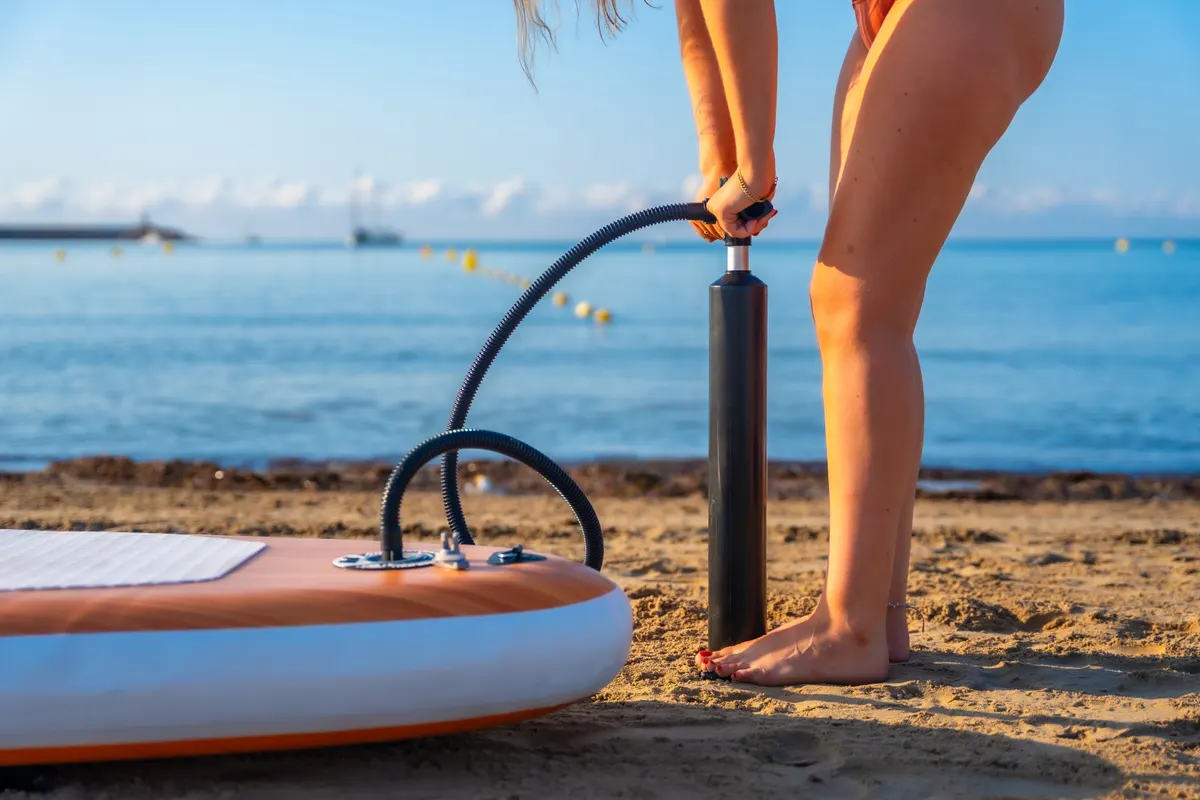
Paddleboard & kayak marketing agency: woman inflating paddle board on the beach for summer activity.

How first-time and returning paddlers choose a board or boat

Paddleboards and kayaks are large, seasonal and bought by people who have often never owned one. The shopper wants to know whether an inflatable or a hard-shell suits them, what board volume or kayak length matches their weight and the water they will paddle, how a twelve-foot box or a pallet arrives at their door, and what happens if it arrives damaged. Those four questions decide the sale, and a product page that shows a sunset and a price answers none of them. The revenue leak in this niche is spring traffic that lands on pages built for people who already know.

We work with paddleboard and kayak brands that already sell online: inflatable SUP brands, hard-shell kayak makers, fishing kayak specialists, and stores that carry all of it with paddles, PFDs, pumps and racks. The plan starts with the season and the shipping reality. Whether the store is ready for the spring window that carries most of the year. Whether shipping is priced honestly by product type. Whether sizing by paddler weight is stated on every board and boat.

Then we fix the weakest lever. For most paddle brands that is conversion, because visitors arrive in a rush each spring and the pages lose them.

Most buyers are choosing their first board or boat, and they start with the big fork: inflatable or hard-shell. Inflatables ship as a parcel, store in a cupboard and fit in a car boot. Hard-shells are stiffer and faster but need a roof rack, a garage and freight delivery. Shoppers ask AI assistants which to pick for their situation before they look at any brand, and the brand that answers that question plainly on its own site gets the visit.

Then comes size. Board volume and width against paddler weight and stability needs. Kayak length and hull shape against the water: flat lake, coast, river, or fishing from a seat with rod holders. A page that states the weight range and the intended water for every model does the work a shop assistant would.

Delivery is the anxiety. A hard-shell arrives by freight, often to the kerb, and can be damaged in transit. Buyers want to know how it is packed, whether they must inspect it on arrival, and how a damage claim works. Some prefer to collect from a dealer or a warehouse.

The season is short. Research starts in late winter, buying peaks from spring to early summer around long weekends, and the market goes quiet by late summer. Accessories such as paddles, PFDs, leashes, pumps, dry bags and roof racks fill the basket and return the customer later.
What we do for
paddleboard & kayak brands

Five channels, one plan.

Google Shopping and search

Shopping and search campaigns for a short season and two very different products

Inflatable boards and hard-shell boats attract different shoppers, ship differently and carry different margins, so they run in separate campaigns with separate bids. Within each, searches that include a weight, a length, a use like fishing or touring, or a beginner term get priority, because they signal someone past the research stage.

Budget follows the window. Spend rises from late winter, peaks around the spring and early summer long weekends, and is pulled back sharply in late summer. Pre-order campaigns run in winter for brands that sell out.

Landing pages for hard-shells state freight cost and delivery method up front and show the ready-to-paddle package. Accessories run steady campaigns through the season on paddle, PFD and pump searches, and a clearance campaign moves end-of-season stock.

Meta and TikTok

Meta and TikTok creative on the water, aimed at the first-time paddler

The best creative in this niche shows a normal person, not an athlete, inflating a board on a beach, standing up for the first time, or lifting a kayak onto a car alone. Buyers are picturing themselves, and footage that makes the product look manageable sells more than a sunset carve.

Cold audiences are reached through lake, coast and holiday interests, and through the practical questions in the creative: which type, what size, how it arrives. Retargeting follows a viewed board with the paddle and leash that complete it, and a viewed kayak with the rack or cart it needs.

Customer footage from the water, with permission, runs throughout the season. Creative is prepared per phase: pre-order in winter, ready-to-paddle packages in spring, clearance in late summer.

Merchant Center and the feed

A feed that separates parcel boards from freight boats and states the weight range

Inflatables ship as parcels and hard-shells ship as freight, and a feed that quotes one shipping rate for both is disapproved or, worse, approved with a cost that checkout then contradicts. We build shipping groups by product type and region with real rates, and mark items that are collection-only where that applies.

Titles and custom labels carry the terms buyers search: length, width, volume, paddler weight range, use such as touring, all-round, fishing or tandem, and whether the product is inflatable or hard. Colour variants sit under one item_group_id.

Package products such as board plus paddle plus pump are listed as their own items with their own identifier handling, so they do not clash with the components. Stock and lead time are accurate through the spring peak, when pre-order and in-stock status changes daily.

SEO and AI search

Answers for the questions paddlers ask assistants before choosing

Shoppers ask assistants whether an inflatable or hard board is better for a beginner, what size board suits their weight, what kayak length works on a lake versus the coast, how a kayak is delivered, and whether they need a PFD by law where they paddle. We write pages that answer each of those directly and recommend a model from your range with the reasoning.

Collection pages are organised by the buyer's situation: first board, boards for heavier paddlers, kayaks for fishing, tandem boats, boats that fit in a car. Product pages state weight range, dimensions, intended water and delivery method in a consistent block.

Safety and regulation content on PFDs and local rules earns trust and citations, and it links to the gear that meets the requirement.

Email and SMS

Flows for the first paddle, the season and the return next spring

A first-time buyer who receives a large box needs help, and the post-purchase flow provides it: unboxing and inspection on delivery, first inflation or first launch, storage at the end of the season. It reduces damage claims and returns, and it sets up the accessory sales that follow.

Seasonal sends follow the water. Pre-order and early-bird messages in winter, ready-to-paddle packages in spring, holiday weekend reminders through summer, storage and care in autumn. The following winter, last year's customers hear first about new models and paddle upgrades.

SMS carries delivery day updates for freight orders, which customers need for a pallet, and stock-back alerts on models that sell out each spring.

First three fixes

What the plan usually starts with for paddleboard & kayak brands.

  1. State weight range, dimensions and delivery method on every model

    The four questions first-time paddlers ask, answered in one block on the product page: inflatable or hard, size for my weight, how it arrives, what if it is damaged. This is the conversion fix.

  2. Separate parcel and freight shipping in the feed and checkout

    Inflatables at parcel rates, hard-shells at real freight rates by region, collection-only where needed. The feed stays approved and the checkout stops surprising people.

  3. Sell the ready-to-paddle package

    Board plus paddle, leash and PFD, or kayak plus paddle, PFD and cart, as one product with one delivery. It raises order value and it is what the buyer actually needs.

Questions from paddleboard & kayak brands

By setting expectations before the sale and guiding the customer after it. The product page explains packaging and inspection on delivery, the post-purchase flow walks through checking the boat before signing, and the damage claim process is stated plainly. Fewer surprised customers means fewer chargebacks and better reviews.

No. They attract different buyers, ship differently and carry different margins. Separate campaigns, separate shipping groups and separate landing pages let each be bid and presented properly. Mixing them tends to waste budget on the freight items and underfund the parcel ones.

Pre-orders, content and preparation. Winter is for early-bird offers to last year's customers, for writing the sizing and comparison content that ranks in spring, and for getting the feed and pages ready before the window. Late summer is for clearance and accessories.

The weight range the model is designed for, its length, width and volume or capacity, the water it suits, and how it is delivered. First-time buyers have usually asked an assistant what size they need and want the page to confirm it in the same terms.

Yes, more than most brands expect. Paddlers upgrade the paddle, buy a second board for a partner or a child, move to a touring or fishing model, and replace leashes, pumps and PFDs. A brand that emails through the season and comes back before the next one keeps those orders.

Other sports & outdoor stores we work with

Send your paddleboard & kayak brand store.

The plan says which lever is leaking and what to fix first, for your store as it is today.

Store, name, email and phone. A person replies from a real inbox. Privacy

Get your free growth plan