Skip to content

Beauty subscription marketing agency

Growth for beauty subscription boxes: profile quizzes, choice windows, the full-size member shop, ad rules for skincare creative and duplicate-proof retention.

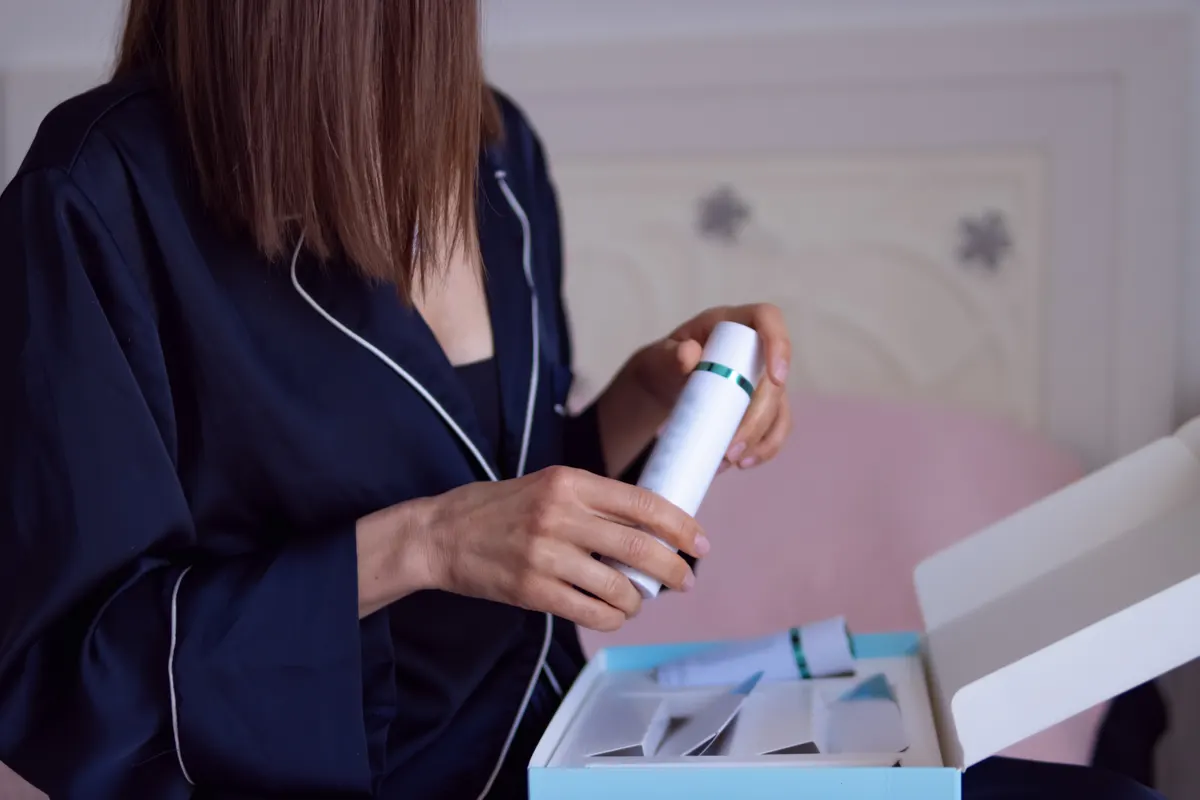
Beauty subscription marketing agency: woman unboxing a beauty product subscription box, holding a skincare serum bottle, enjoying a relaxed morning routine at home.

How a beauty box is chosen, judged and dropped

A beauty box is a sampling business that has to behave like a retailer. The subscriber pays a monthly fee for products they did not choose, in sizes they cannot buy, from brands that supplied them because they want the full-size sale later. Every part of that sentence is a place the business can leak.

The profile is the product. A box that matches skin type, hair texture, shade range and the things the subscriber already owns is worth keeping. A box that sends a third bronzer to someone who does not wear bronzer is cancelled on the spot. So the quiz, the choice window and the record of what has already been sent do more for retention than any discount, and most beauty boxes treat them as onboarding rather than as the core system.

The ad platforms add their own constraints. Skincare creative on Meta cannot use before-and-after images or imply that the viewer has a flaw to fix. Google's rules on health claims cover skincare too. And Merchant Center has no place for a deluxe sample with no barcode, which means the full-size member shop is the part of the business that can run Shopping ads at all.

We work with beauty subscriptions that already ship and want acquisition judged on tenure, a profile system that prevents the duplicate cancel, and a member shop that turns samples into full-size orders. The plan is free and written for you. The fee after that is flat and monthly.

The prospect is usually already a heavy buyer of the category. They follow a few creators, they know the brands, and they arrive at your plan page to check three things: which brands have been in recent boxes, whether they get to pick anything, and whether the sizes are samples or full products. They also want the retail value of a typical box stated honestly, because they will add it up themselves from the brand sites.

The profile quiz is where the decision is made. A quiz that asks skin type, concerns, hair type, shade and fragrance preference and then shows how the answers shape the box gives the prospect confidence. A quiz that asks four questions and then sends everyone the same box is discovered within two months.

The choice window matters more than the number of choices. Subscribers want a few days each month to pick one item from a short list and to see what else is coming. Miss that window and the box feels imposed. Offer it and the subscriber has already invested in the box before it ships.

The cancel comes from a duplicate, a shade mismatch, or a run of products that do not suit them. It rarely comes from price. Winning that person back with a discount does not fix the reason they left, which is why the profile record and the swap option are the retention tools that work.
Where beauty subscription boxes
lose revenue

The four levers, in this niche.

Visitors

Find category buyers, not free-sample hunters

Beauty box acquisition attracts two audiences: people who already buy skincare and makeup monthly, and people who want a bargain box of samples once. The second group churns at the first full charge. We build campaigns around brand names, ingredient searches and creator audiences that indicate a category habit, and read every source by subscribers still active at month three, which is where the two groups separate.

Conversion rate

Make the profile quiz the reason to start

A plan page that leads with the price competes on price. A plan page that leads with the quiz, shows how answers shape the box and lists recent brands converts people who want a box built for them. We move the quiz ahead of the plan choice, show the choice window and the swap policy beside the price, and state the sample sizes plainly so nobody expects full-size products that are not coming.

Average order

The full-size shop is where the margin lives

A sample the subscriber loved is the strongest product recommendation you will ever make. We build a member shop with full-size versions of everything sent, priced for subscribers, with a one-tap add to the next shipment. Premium tiers and quarterly upgrade boxes give heavy buyers somewhere to spend more, and gift terms for Mother's Day and December add prepaid revenue with no churn for the term.

Repeat purchases

Stop the duplicate before it ships

Most beauty box cancels have a product cause: the wrong shade, a repeated category, a fragrance the subscriber cannot use. We keep a record of what each person has received, ask for a profile refresh every few months, open the choice window with a reminder, and put a swap option in the renewal email. Subscribers who update their profile stay longer, so the profile refresh is treated as a retention flow, not admin.

What we do for
beauty subscription boxes

Five channels, one plan.

Google Shopping and search

Shopping for the member shop, search for the box

The sample box has no fixed contents and no barcode, so it cannot carry a Shopping ad. The full-size member shop can, and that is where we run Shopping: branded products with real GTINs, sold one-off to anyone, with subscriber pricing shown after login. Search ads carry the subscription itself. The queries that produce subscribers who stay name a brand, a concern or a routine: box with clean skincare, subscription for curly hair, makeup box that lets you choose. Broad 'beauty box' queries bring comparison shoppers who sign up for the cheapest first month, so we bid on them cautiously and only with a landing page that leads with the quiz. Gift queries get their own campaign in the run-up to Mother's Day and December. Every campaign is measured on tenure, not sign-ups, and the member shop is measured on revenue per subscriber.

Meta and TikTok

Creative that passes personal-health review

Meta's personal health rules shape what a beauty box can show. No before-and-after images, no zoomed-in imperfections, no language that tells the viewer they have a problem. What passes and works is the box itself: the reveal, each product held up with its size stated, the quiz on screen, and the choice window shown as a real interface. On TikTok the format is a subscriber going through the box and reading the profile that produced it, which makes the matching visible. We build separate ad sets by concern and hair type using the language of each, retarget people who started the quiz with the box their answers would produce, and hold discount creative for the gift window. Creator briefs ask for the third box, not the first, so the content shows the profile improving the match over time.

Merchant Center and the feed

A feed built on full sizes, not samples

Merchant Center needs a fixed price and, for branded cosmetics, a GTIN. Deluxe samples have neither, so the feed is built from the member shop: full-size products with their real barcodes, brand, and the shade or size as a variant with its own identifier. Skincare and cosmetics sit under the health and beauty branch of Google's product taxonomy, and product type carries your own structure by concern and category. Any product with a health claim on the packaging is checked against Google's healthcare policy before it goes live, because a disapproval on one item can spread to the account. Prepaid gift terms can be listed as single-price products with identifier_exists set to no. Custom labels separate full-size items that have appeared in a box from those that have not, because the first group sells to subscribers at a different rate.

SEO and AI search

What a beauty box gets asked before and after sign-up

Before sign-up the questions are: which brands are in the box, are the products full size or samples, can I choose anything, how much is it worth, can I skip a month, how do I cancel. After sign-up they become: when does the choice window open, how do I update my shade, what do I do with a product that does not suit me. Assistants and search engines answer from pages that state these things, so we write them. Each month's box gets a contents page listing every product with its size and brand. The plan page states sizes, choice rules and the cancel process in a table. A profile help page explains how each quiz answer changes the box. Brand and ingredient pages in the member shop are written to be quoted, without health claims the product cannot support.

Email and SMS

Profile updates as a retention flow

The renewal email opens the choice window: here is what is coming, pick your item by this date, swap if you want, add a full-size product. That one message raises investment in the box and catches the mismatch before it ships. The first-box flow covers the sizes to expect, how to use each product, and a link to the full-size version with subscriber pricing. Every third month a profile refresh asks whether skin, hair or shade preferences have changed, framed as making the next box better. A cancel flow asks one question and offers a fix: a swap for shade mismatch, a pause for product build-up, a downgrade for price. Gift recipients get their own introduction and a plan offer when the term ends. SMS is used for the choice window closing and the dispatch notice only.

First three fixes

What the plan usually starts with for beauty subscription boxes.

  1. Fix the profile that is never updated

    A quiz taken once and never revisited sends a winter box to someone whose skin changed in summer. Ask for a refresh every few months, show subscribers what the profile currently says, and make shade and concern edits one click from the account page. Updated profiles are the strongest predictor of staying.

  2. Fix the stated value of the box

    If the plan page claims a retail value the subscriber cannot reproduce from the brand sites, the first box arrives as a disappointment. State value by listing products and sizes, let people add it up, and never round up. Trust built on the first box is what carries the customer to the fourth.

  3. Fix the missed choice window

    Subscribers who miss the window get an imposed box and are more likely to cancel. Send the opening notice, a reminder before it closes and an SMS on the last day, and let people set a standing preference so a missed window still produces a box that fits.

Questions from beauty subscription boxes

They should be able to choose at least one. A short choice window each month, with a few options and a swap for anything already owned, raises investment in the box and cuts mismatch cancels. We design the window, the reminders and the standing preference for people who miss it.

On Meta, no before-and-after images, no close-ups of imperfections and no language that implies the viewer has a flaw. On Google, no health claims the product cannot support. The creative that works shows the box, the products with sizes stated and the quiz, which is also what converts.

The full-size member shop, with real GTINs and one price per variant, and prepaid gift terms listed as single-price products. That is where we run Shopping. The recurring sample box is advertised through search and social, where the plan page can explain sizes and choices.

Keep a record of everything sent to each person, ask the quiz about products already owned, and give a swap option in the choice window. Duplicates are the most common product cause of a cancel and the easiest one to design out.

It suits heavy buyers who want full-size products and a bigger reveal, and it has fewer billing events to churn at. Many brands run both, with the quarterly tier as an upgrade for monthly subscribers. We test which mix produces the higher revenue per subscriber over a year.

Other subscription boxes stores we work with

Send your beauty subscription boxe store.

The plan says which lever is leaking and what to fix first, for your store as it is today.

Store, name, email and phone. A person replies from a real inbox. Privacy

Get your free growth plan