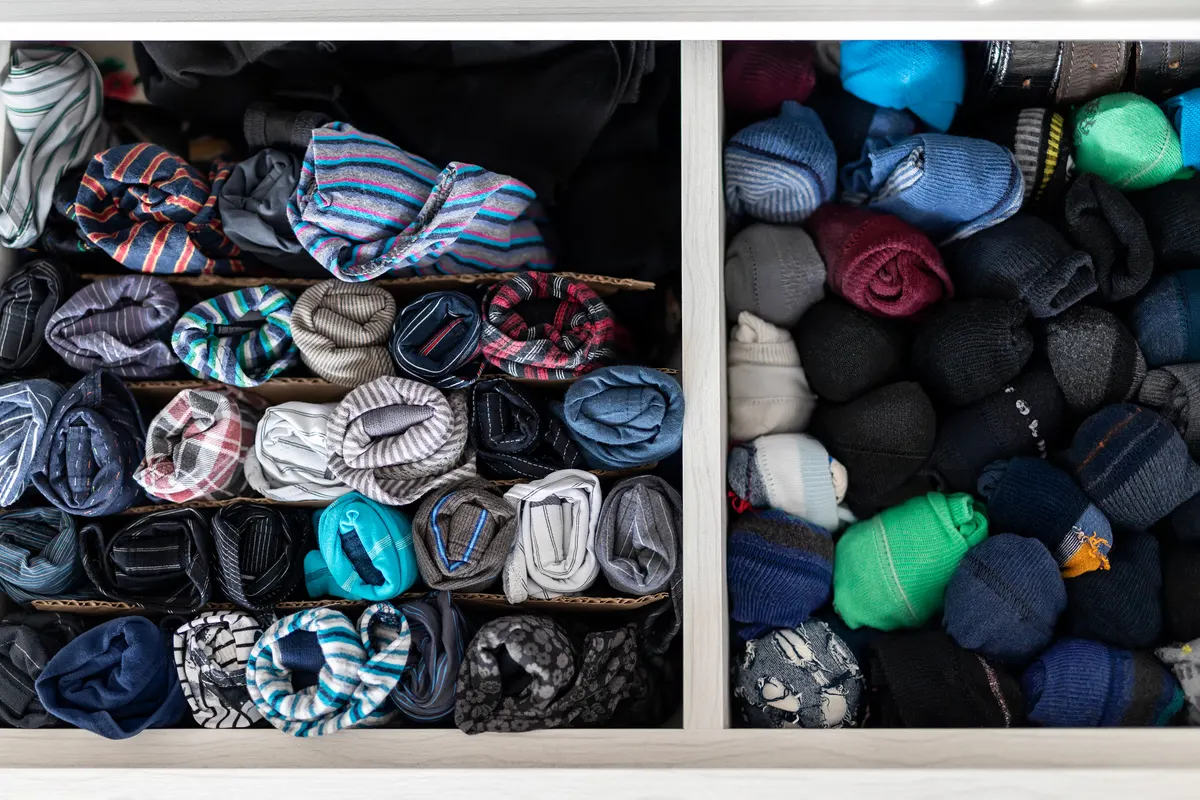
Socks and underwear are the only subscription products people already own too many of and still keep buying. The subscription works because the drawer degrades quietly, not because anyone is short. That makes the pitch about replacement and quality rather than novelty, and it makes pacing the whole retention problem.
Fit is the conversion problem. Nobody buys underwear online from a plan page without knowing what size means here, and the usual hygiene rules mean the customer expects a fit exchange to be awkward. Solving that in writing, before checkout, converts more people than any discount on the first shipment.
Apparel also carries the heaviest feed requirements in this industry. Size, colour, gender, age group, material and a variant group are the minimum to get a listing live, and getting them wrong takes the whole catalogue down rather than one line.
We work with sock and underwear subscriptions that already ship and want acquisition judged on shipments received per member. The growth plan is free. The fee after it is flat and monthly.
The trigger is usually irritation. Holes in the heels, waistbands that have gone slack, a drawer of odd socks, a work wardrobe that needs plain black and never has any. It is a chore purchase, and the promise that makes it work is that the chore stops happening.
Before they subscribe, they want the fit answered. Sock sizing by shoe size sounds simple until the ranges overlap, and underwear sizing varies enough between makers that a stated waist measurement in centimetres beats a letter. Wide calves, tall sizes and long torsos are underserved and the people in those groups search for them specifically.
Material is the second question. Combed cotton, merino, bamboo viscose and modal all feel different and behave differently in a wash, and the elastane percentage decides whether a sock stays up by March. Buyers of the higher-priced plans read this closely.
The style track decides whether the box is welcome. Someone who wants plain black work socks does not want a patterned pair every month, and a plan that mixes them sends half a shipment straight to a drawer that never opens.
The stop point is a full drawer. Quarterly plans outlive monthly ones for exactly that reason, and a subscriber who is offered a longer interval usually takes it instead of leaving.