Skip to content

Coffee subscription marketing agency

Growth for coffee subscriptions: intervals set by how much they drink, grind and freshness pages, size and grind feed variants, refill timing that stops churn.

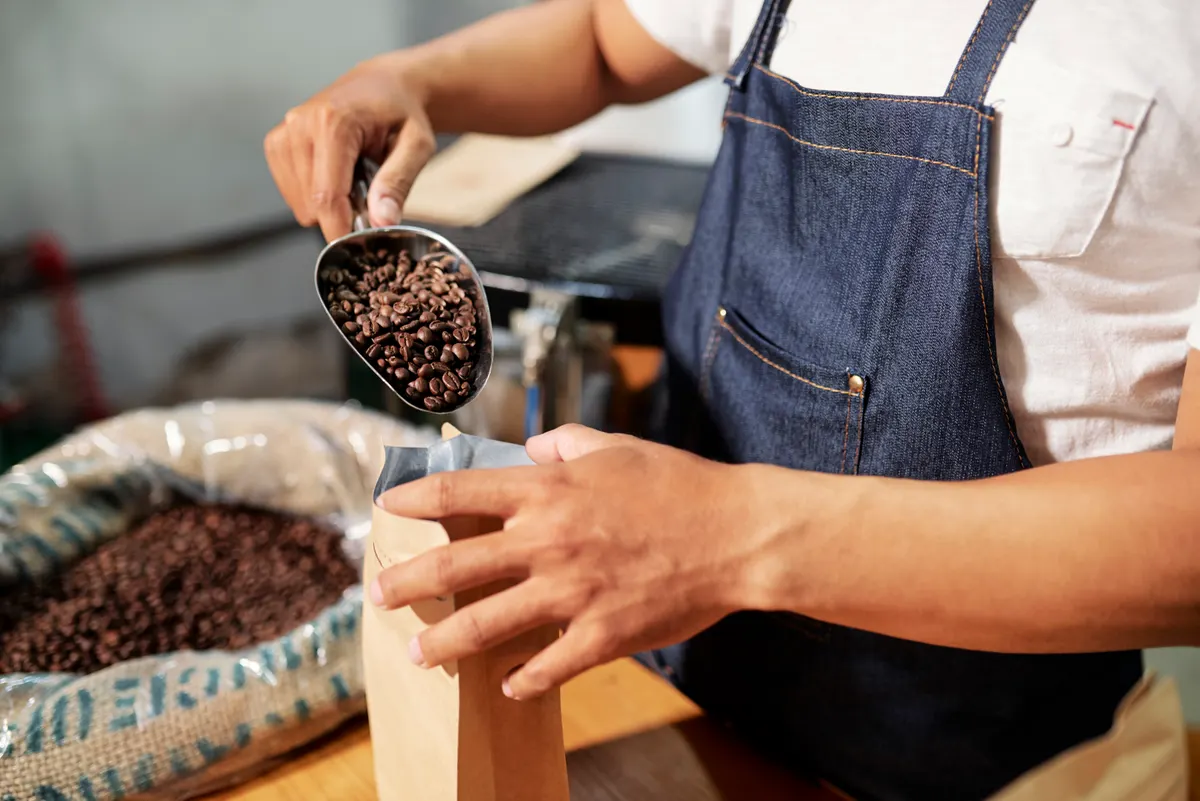
Coffee subscription marketing agency: packing coffee beans in bag.

How a coffee drinker chooses a roaster and why the bags pile up

Coffee is not a reveal box. It is a resupply, and the business turns on whether the bag lands the week the last one runs out. Ship too often and the subscriber builds a shelf of stale bags and cancels. Ship too slowly and they buy coffee at the supermarket and stop thinking about you.

That makes the interval the main product decision, ahead of the roast. Someone drinking two cups a day at around eighteen grams a cup gets through a 250 gram bag in about a week. Someone who only makes coffee at weekends does not. Asking how much they drink and setting the interval from the answer keeps more subscribers than any discount on the first bag.

Freshness is the other half. Roast date, grind choice and the gap between roasting and the doorstep are what a coffee drinker checks, and your pages have to state them plainly.

We work with roasters and coffee subscriptions that already ship. The growth plan is free and written for your business. The fee after that is flat and monthly.

The prospect usually already drinks good coffee and owns a machine. That machine sets the whole conversation. An espresso drinker with a grinder wants whole bean and a roast that suits pressure. Someone with a filter machine or a cafetiere wants the grind done for them and will abandon a sign-up that only offers whole bean. The first question on the page should be about the machine, not the roast level.

After the machine, they check freshness. Roast date on the bag, how many days after roasting you dispatch, and whether the coffee rests before it ships. A roaster who publishes the roast day and the dispatch day answers a question most sites leave vague.

Origin and tasting notes matter to a smaller, more valuable group. They read the process, the varietal and the harvest, and they will pay for a seasonal lot. They are also the people who ask what happens when that lot runs out.

The stop point is almost never taste. It is volume. Bags accumulate faster than they are drunk, the coffee ages on the shelf, and the subscriber feels wasteful. Nobody cancels a coffee they enjoy; they cancel a delivery rhythm that does not match their kitchen.
Where coffee subscriptions
lose revenue

The four levers, in this niche.

Visitors

Buy coffee drinkers, not one bag of beans

Traffic in coffee splits between people building a habit and people buying a single bag as a present or a trial. Both are worth having, but only if they land in the right place. We route brew-method, origin and decaf searches to the plan, generic bag searches to the one-off product, and gift searches to prepaid terms. Every source is reported by bags shipped per subscriber over six months, which is where a cheap first order and a well-matched first order stop looking alike.

Conversion rate

Set the interval from how much they actually drink

A plan page that offers monthly, and only monthly, guesses wrong for most households. We ask two questions at sign-up, cups a day and how many people drink it, then recommend an interval and a bag size from the answers. The grind question asks for the machine by name rather than for a grind setting. Roast day, dispatch day and the change window sit beside the price, because those are the three facts a coffee drinker is checking before they commit.

Average order

Bigger bags, a second roast and the gear shelf

Order value in coffee comes from three places. A larger bag at a better price per kilo suits households who are already stretching the interval. A second roast, usually a decaf or a filter alongside an espresso, suits homes with two drinkers. And the gear shelf, grinders, filters, scales and cleaning tablets, sells well to people who have just started caring about their coffee. Each of these goes in the pre-shipment email as a one-tap add rather than a separate visit to the shop.

Repeat purchases

Offer the longer interval before the shelf fills

The cancel in coffee is a stock problem with a taste explanation attached. We make stretching the interval a one-tap option in every pre-shipment email, treat two skips in a row as a signal that the interval is wrong rather than a churn risk to discount, and move heavy skippers to a longer gap or a smaller bag. Subscribers who move to an interval that fits their kitchen stay for far more shipments than the ones offered money to stay on the wrong one.

What we do for
coffee subscriptions

Five channels, one plan.

Google Shopping and search

Shopping for bags and gear, search for the plan

A recurring plan has a moving price and a moving grind, so Shopping carries the one-off side of the roastery: single bags in each size, three-origin sample packs, prepaid gift terms and the equipment you sell alongside them. Search ads carry the subscription. The queries that produce subscribers who stay name a brew method, a roast style or an origin: espresso beans delivered monthly, filter coffee subscription, decaf coffee subscription, Ethiopian single origin. Broad coffee searches bring people who want one bag, which is fine as long as they land on that bag rather than the plan page. Gift terms get their own campaign before December and around Father's Day. Every campaign is judged on bags shipped per subscriber over six months, not on the cost of a first order, because a cheap first bag and a well-matched first bag look identical in week one and nothing alike by the fourth shipment.

Meta and TikTok

Roast day, grind and pour, no health talk

Coffee sells on process. The roast drum, the grinder, the bloom and the pour are the assets, and they work without a single claim about what coffee does to your body, which keeps the account away from health-claim review entirely. We film roast day, the grind options side by side, and a bag opening with the roast date on camera, because freshness is the thing a buyer is trying to verify. Ad sets are split by brew method and each lands on a page written for that method, so an espresso drinker never reads about cafetiere doses. Retargeting follows the method someone browsed. Creators are briefed to make coffee with their own kit rather than to praise the beans, because the viewer is judging whether your grind will work in their machine. Discount creative is held for the gift windows, since a heavy first-bag offer brings people who wanted cheap coffee once.

Merchant Center and the feed

Size and grind variants, and why roast date stays out of the title

Coffee feeds are variant work. One roast usually exists in several bag sizes and several grinds, so each combination is its own offer, tied together with item_group_id and separated by size plus a grind value carried in the title and product type. Beans you roast yourself often have no manufacturer barcode, so where you have not assigned your own, identifier_exists is set to no and the title carries roaster, origin or blend name, roast level, weight and grind. Resold branded coffee and equipment use their real GTINs. Roast date does not belong in the title because it changes every week and would put the feed into constant revision; freshness goes in the description and product highlights instead. Coffee sits under the food and beverage branch of Google's taxonomy. Availability has to track green stock, because a seasonal lot that sells out while still live in the feed produces cancelled orders and a support queue.

SEO and AI search

The questions coffee drinkers put to an assistant

Before subscribing, people ask practical things: how soon after roasting does it ship, can I get it ground for an AeroPress or a moka pot, how much coffee do two people need in a month, is there a decaf option, can I change how often it arrives, do you only sell whole bean. Assistants repeat whichever page states the answer plainly, so we write those pages. The plan page names the roast day, the dispatch day and every interval on offer. A grind page lists machines by name and says which grind each one takes, because people search the machine, not the setting. Each origin gets a page with the country, the process, the varietal, the harvest and the tasting notes, which is also what the seasonal-lot buyer reads before ordering. A dosage page answers the how much question with a worked example an assistant can quote back.

Email and SMS

Email that runs on the interval, not the calendar

A few days before every shipment the subscriber gets a note that names the coffee coming, offers a swap to another roast, an extra bag, a change of grind and, most importantly, a one-tap stretch of the interval. That stretch link is the retention tool, because the alternative for someone with four unopened bags is a cancel. The dispatch note carries the roast date and a brew recipe written for the machine on file. New subscribers get a short flow on storing the bag, dialling in the grind and reading tasting notes. Anyone who skips twice is offered a longer gap or a smaller bag instead of money off. Seasonal lot buyers get told before their lot runs out and are asked to choose the replacement rather than have one chosen for them. SMS carries only the dispatch notice and the day-before change window.

First three fixes

What the plan usually starts with for coffee subscriptions.

  1. Fix the interval nobody chose

    Most coffee subscriptions default to monthly because the billing tool does. Ask how many cups a day and how many drinkers at sign-up, recommend an interval from that, and let the subscriber change it from the account page and from every pre-shipment email. The stale shelf is the main cause of coffee churn and it is a settings problem.

  2. Fix the grind question

    Asking someone to pick between medium and medium-fine sends the wrong grind to people who do not know the difference. Ask which machine they use, by name, and map machines to grinds yourself. A bag ground wrong is a bag wasted, and a wasted bag is a cancellation with a polite explanation attached.

  3. Fix the silent substitution

    Seasonal lots run out mid-cycle and many roasters quietly substitute. Publish the substitution rule on the plan page, tell subscribers before the charge when their coffee is changing, and let them pick the replacement. Being told beats being surprised, and it turns a churn moment into a choice.

Questions from coffee subscriptions

Ask two questions at sign-up, cups a day and how many people drink coffee in the house, and recommend an interval and bag size from the answers. Then correct it from behaviour: two skips in a row means the interval is too short, so offer a longer gap or a smaller bag rather than a discount.

One-off bags in each size and grind, sample packs, prepaid gift terms and your equipment. The recurring plan is a poor fit because its price and contents move. Sizes and grinds are submitted as variants under one item_group_id, with identifier_exists set to no on beans you roast yourself.

Offer both, and ask which machine the customer uses rather than which grind they want. Whole bean only narrows the plan to people who own a grinder, and mismatched grind is one of the quietest reasons a first bag disappoints and a subscription ends after two shipments.

State the substitution rule on the plan page, notify affected subscribers before the next charge and let them choose the replacement from a short list. Seasonal lot buyers are your most engaged customers and they treat a silent swap as a broken promise.

Test it against alternatives before assuming it. Free shipping on the first order, a brew guide and dosing scoop, or a locked price for three shipments often produce subscribers who last longer. We measure all of them on bags shipped per subscriber by month six rather than on sign-up cost.

Other subscription boxes stores we work with

Send your coffee subscription store.

The plan says which lever is leaking and what to fix first, for your store as it is today.

Store, name, email and phone. A person replies from a real inbox. Privacy

Get your free growth plan