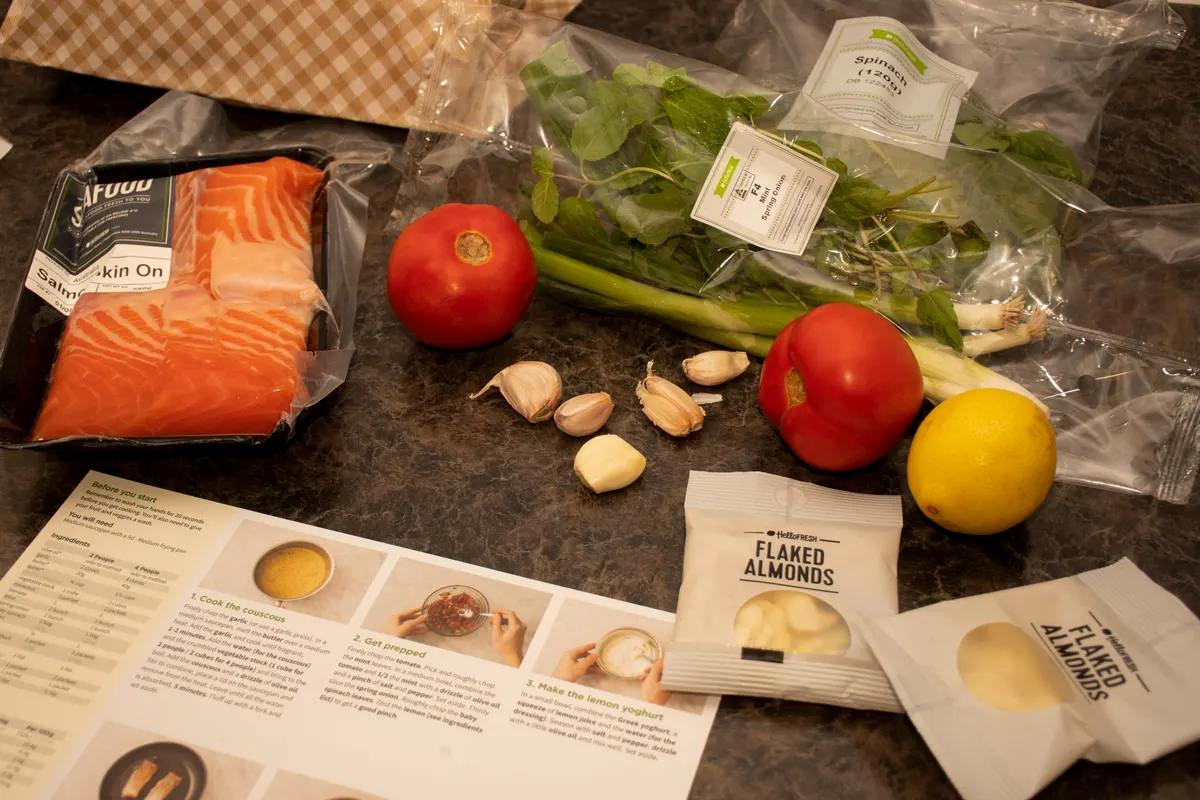
A meal subscription is a delivery business with a kitchen attached. The customer is buying back a weeknight, and the week the box stops saving them time, or the delivery slot stops fitting their diary, they skip. Two skips in a row usually become a cancellation.
Three things decide whether the sale happens at all: whether you deliver to their address, what one serving really costs once the introductory weeks end, and how much cooking is involved. Everything else is secondary. A page that hides the standing per-serving price behind a first-week offer wins the sign-up and loses the household at the second full charge.
Then there is the cold chain. Chilled proteins, ice packs, a fixed delivery day and a courier who has to hit it. A box that arrives warm is not a service issue to be handled later, it is a churn event on the day.
We work with meal kits and prepared meal services that already deliver. The growth plan is free and written for your operation. The fee after that is flat and monthly.
The first question is not about food. It is whether you deliver here, on which day, and what happens if nobody is home. A prospect outside your delivery map is a wasted click, and a prospect inside it who cannot find the answer will leave before seeing a recipe.
The second question is cooking effort. Meal kits and prepared meals attract different people. A kit buyer wants twenty to forty minutes and a recipe card. A prepared meal buyer wants a microwave and five minutes. Selling a kit to someone who wanted heat-and-eat produces a box of unopened ingredients and a cancellation with the word busy in it.
The third is the maths. Households work out the per-serving cost and compare it against their own shop. They are not comparing you to another service so much as to the supermarket and the takeaway, and the honest per-serving number, stated before the discount, is what makes the comparison land in your favour.
Drop-out has a shape. It comes when the menu starts repeating, when a delivery arrives late or warm, when a week gets busy and the box becomes a chore, or when the introductory weeks end and the real price appears without warning.