Skip to content

Plush toy marketing agency

Marketing for plush toy brands: size in centimetres in the feed, character drops, adult and gift buyers, Valentine's and December peaks, the second plush.

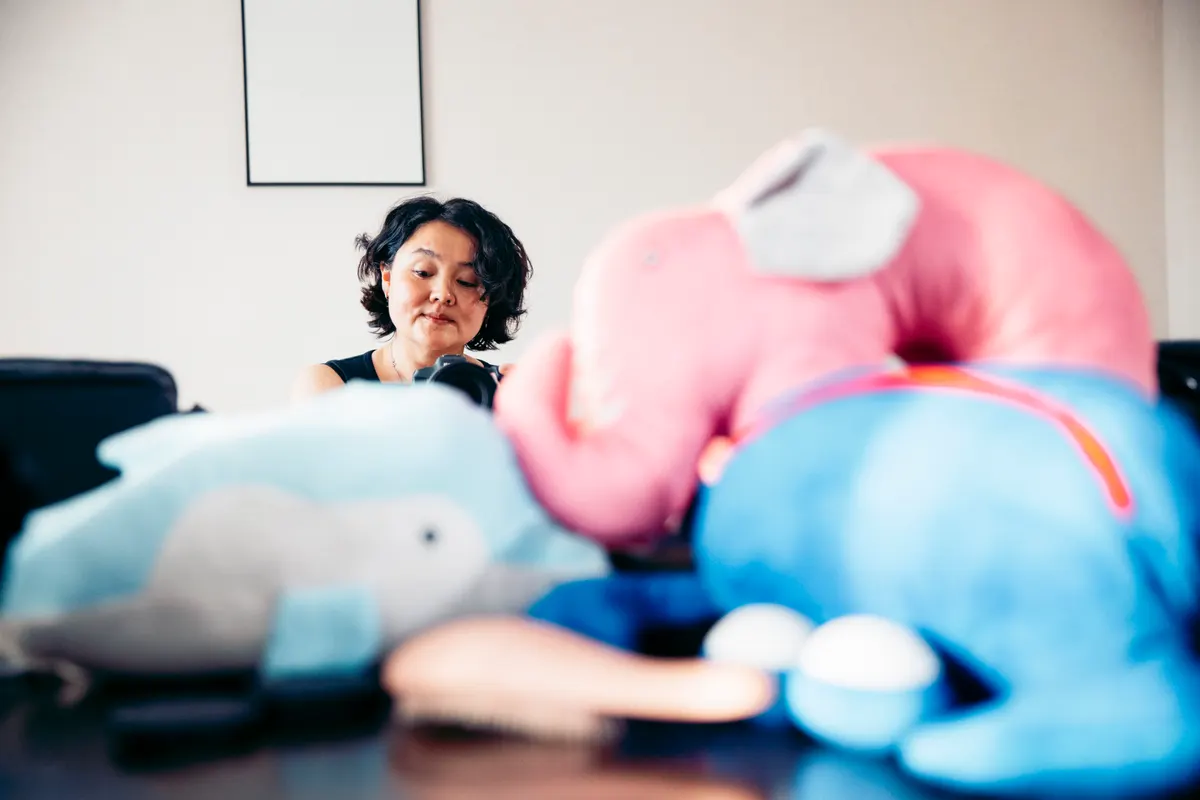
Plush toy marketing agency: asian woman with short curly hair sits at a table surrounded by colorful plush elephant toys. The scene is bright and playful, emphasizing a cozy atmosphere.

How plush is bought and why size surprises people

Plush is the toy category where the buyer is as likely to be a twenty-five year old buying for themselves as a parent buying for a toddler. The same brand sells a comfort toy for a newborn, a birthday present for a six year old, a Valentine's gift, and a limited character that adult collectors queue for at midnight. Each of those buyers searches differently, worries about different things and comes back for a different reason.

We write growth plans for plush toy brands that already sell online. The plan covers feeds that state the size in centimetres so a shopper is not surprised by a keyring when they expected a pillow, drop calendars that turn a character launch into a sold-out day without breaking the store, gift options that work for someone sending a plush across the country, and flows that bring back the buyer whose first plush was a hit.

It also covers the age grade problem, because a plush marked for three and over is often bought for a baby, and the page has to be honest about why the grade is what it is.

Plush is bought for a feeling and returned over a measurement. The shopper falls for a face in a thumbnail, then finds out on delivery that the plush is thirteen centimetres tall when the photo suggested a hug-sized companion, or the reverse. Every product image is scale-free unless the brand puts something known beside it, so size in centimetres, in the title and on the first image, does more for plush conversion than any other single change.

There are four buyers. Parents buy a first plush for a baby or toddler and want to know how it washes, whether the eyes are embroidered or plastic, and why the age grade says what it says. Gift buyers send a plush for a birthday, a hospital stay or Valentine's, and need gift wrap, a note and delivery to a different address. Adults buying for themselves want a specific character, a weighted plush for the sofa, or the newest colour in a series they collect. Collectors track drops, sizes and retired designs, and will buy the whole set if the store lets them.

Demand peaks in December and again for Valentine's, with Easter and Mother's Day as smaller lifts. Character drops create their own peaks on any date the brand chooses. The reorder pattern is the second plush: the same character in a new size, the friend in the same series, or the same plush again after a loss, which is a search the brand should be ready for.
Where plush toy brands
lose revenue

The four levers, in this niche.

Visitors

Visitors: win the character search and the size search

Plush searches carry a character, an animal, a size word or a purpose: giant teddy bear, small axolotl plush, weighted dinosaur plush, baby comforter. Feed titles with the animal, the series and the size in centimetres appear for those; titles built from a cute internal name appear only for people who already know it. On social the plush is shown at scale beside a person, because the face alone does not say how big it is. We map your range to animal, series, size and purpose, then plan budgets around December, Valentine's and your own drop dates.

Conversion rate

Conversion: put the size on the first image

A plush page converts when the size in centimetres is in the title and the first image shows the plush held by a person or next to a familiar object, when the page explains how it washes and whether the eyes and nose are embroidered, when the age grade is stated with its reason, and when gift wrap and a gift note are one tap away. Weighted plush needs the weight and the filling named. We rebuild the template around scale, care and gifting, and add a size comparison image across the whole series.

Average order

Order value: the friend, the bigger size and the gift set

Plush orders grow when the store offers the friend from the same series, the same character in the next size up, or a gift set with a card and wrap at a round price. A shipping threshold set just above one mid-size plush pulls in a small one. Collectors will take the complete set if it is offered as one bundle with stock checked across every piece. We build series modules, size-up prompts and gift sets from what your order data shows buyers already put together.

Repeat purchases

Repeat purchases: the second plush and the replacement

Plush customers return for the next character in a series, a new colourway, a bigger size when a toddler's favourite is outgrown, and a replacement when a loved plush is lost or worn out. Drop announcements sent to owners of the series first, size-up flows timed from the child's age at purchase, and a replacement path that lets a parent find the same plush years later all keep the customer. We build those flows and a retired-designs page so a replacement search lands on you.

What we do for
plush toy brands

Five channels, one plan.

Google Shopping and search

Google Shopping and search ads for plush

Plush tiles are decided by the image and the size word. The title should read Axolotl Plush, Pink, 30 cm, Soft Weighted, so the shopper knows the animal, the colour and the scale before clicking, and the main image should be the plush on a plain background with additional images showing it held. We split campaigns by purpose, since a baby comforter and a collector drop have different margins and different buyers, and by size band, because giant plush carries freight costs that change what a click is worth.

Search ads cover queries the tile cannot answer, such as which plush is suitable for a newborn, weighted plush for anxiety, or the name of a retired design. Copy stays with what the plush is: size, filling, washability, embroidered features. Claims about calming or therapeutic effects fall under Google's health rules and should be avoided in ads. Valentine's, December and each drop get their own budget and dates set in advance.

Meta and TikTok

Meta and TikTok ads for plush

Plush is one of the most natural products on TikTok: unboxing a drop, squeezing a weighted plush, lining up a complete series, a toddler carrying a plush twice their size. The creative that sells shows the scale and the texture, and the comments fill with questions about size and restock dates, which we answer in the campaign. Creator content from adult collectors performs as well as parent content, so we brief both.

Audiences are adults. Parents are reached through parenting interests and your own buyers, gift buyers through broad prospecting in the peaks, and collectors through engagement with your drop content and past purchase. Meta's rules on health claims apply to weighted and sensory plush, so copy describes the weight and the feel rather than a mental health outcome. Retargeting moves from the scale video to the series or size-up offer, and drop campaigns run to owners first with a countdown.

Merchant Center and the feed

Merchant Center and the feed for plush

Plush sits in Toys & Games under Stuffed Animals in google_product_category, and the attribute that matters most is size, used for the height in centimetres, with the same value repeated in the title. Colour variants of one character share an item_group_id so Google groups them, and each size is a separate item with its own image. Age_group is set to the real grade: a plush marked for three and over is kids, a comforter tested for babies is infant, and the reason is stated in product_detail.

Material carries the outer fabric and filling, and product_highlight lines take embroidered eyes, machine washable and weighted with the weight. Weighted plush is not a medical device and should not be described as one anywhere in the feed. Images must show the plush clearly on a plain background, and lifestyle shots go in additional images. Drops need availability set to preorder with an availability_date when you take orders early, and the feed must flip to out of stock the moment a drop sells through.

SEO and AI search

SEO and AI search for plush

Shoppers ask assistants which plush is suitable for a baby, how big a thirty centimetre plush actually is, how to wash a weighted plush, and where to find a discontinued character their child lost. A brand that answers on its own site, with the size shown against a person and the care steps written out, is what the assistant quotes. We build a size guide page with the whole range photographed together, a care page per filling type, and a retired designs archive that catches replacement searches.

Collection pages are organised by animal, series, size and purpose with real copy, so Weighted Plush and Baby Comforters are pages rather than filters. Product pages carry size, filling, care and the age grade reasoning as plain text. Review requests ask for the recipient's age and whether the size matched expectations, and that content is marked up. Structured data on products and FAQs lets assistants answer with your measurements instead of a marketplace listing.

Email and SMS

Email and SMS for plush

The programme runs on the series and the drop calendar. Buyers of a character get the next character in that series first, and a new colourway goes to owners before the wider list. A size-up flow for parents introduces the bigger version of the same plush a year or so after purchase, when the toddler's favourite is looking tired. A replacement flow tells past buyers when a retired design comes back, which is a request plush brands receive constantly.

Seasonal sends are a December gift guide split by recipient, a Valentine's send that leads with gift wrap and a note, and a Mother's Day send for the adult buyer. Post-purchase flows cover washing and care so the plush lasts, then ask for a review that names the recipient's age and whether the size matched. Birthday capture asks the month only. SMS is reserved for drop countdowns and restocks of a plush a customer waited for, because those are the messages plush buyers want quickly.

First three fixes

What the plan usually starts with for plush toy brands.

  1. Size nowhere in the title or first image

    The plush looks huggable in the thumbnail and arrives keyring-sized, so returns and one-star reviews follow. We put the height in centimetres in every title and feed size attribute, and shoot a scale image for the first slot across the whole range.

  2. Drops that crash the store or oversell

    A character launch sells out in minutes, the feed keeps advertising it for hours, and orders go through for stock that does not exist. We set the drop as preorder with a date where you take early orders, wire stock into the feed in real time, and send owners the link before the public.

  3. Calming claims on weighted plush

    Ads and pages describe a weighted plush as treating anxiety, which both platforms review as a health claim. We rewrite the copy around the weight, the filling and the feel, and move the therapeutic language out of the ads entirely.

Questions from plush toy brands

Because a plush photo has no scale. The shopper cannot tell a keyring from a pillow unless something familiar is in the frame. Putting the height in centimetres in the title and shooting the first image with a person holding the plush removes most of that surprise, and it also lifts the click rate on Shopping tiles.

State the grade and the reason on the page, and set age_group to match the grade rather than the buyer. If you also sell a comforter tested for infants, list that separately with age_group infant and put the difference in product_detail. Honesty about the grade protects you, and parents respect a clear explanation.

Announce the date to owners of the series first, take orders as preorders with an availability_date in the feed if stock is arriving later, connect live stock to the feed and the ads so they stop the moment it sells through, and cap the quantity per order for the launch window. A countdown by SMS to existing customers does more than a broad ad.

Not in the ads. Google and Meta both treat that as a health claim, and it can lead to disapprovals or a restricted account. Describe the weight, the filling and how it feels to hold. Customer reviews can say whatever customers experienced, but your own ad copy should stay with the product.

The next character in the series, a new colour of the one they own, the bigger size when a child's favourite is outgrown, and a replacement when a plush is lost. Flows keyed to the series bought and the child's age at purchase cover the first three, and a retired designs page catches the fourth.

Other toys & games stores we work with

Send your plush toy brand store.

The plan says which lever is leaking and what to fix first, for your store as it is today.

Store, name, email and phone. A person replies from a real inbox. Privacy

Get your free growth plan