Skip to content

Sensory & slime marketing agency

Marketing for sensory and slime brands: weights and textures in the feed, summer melt in transit, restock drops, therapy claim limits and refill orders.

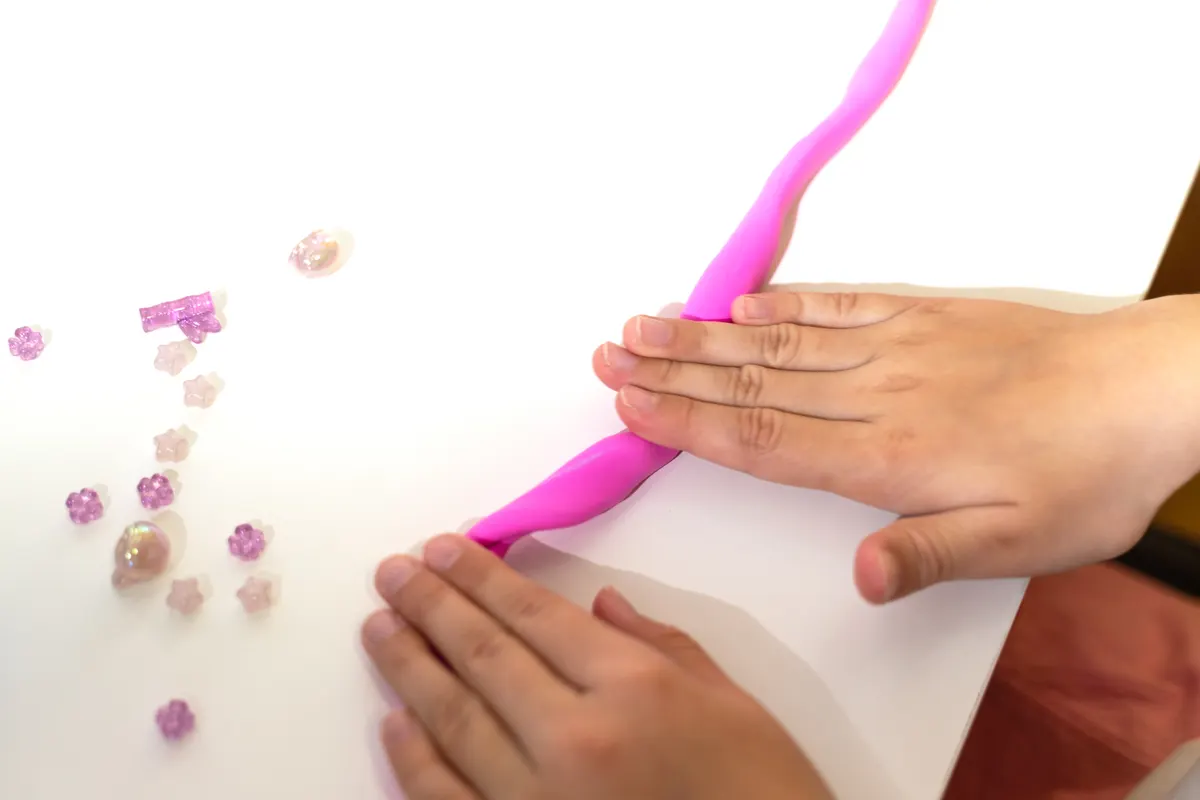
Sensory & slime marketing agency: child Stretching Pink Slime with Decorations.

Texture, weight and the video that started it

Slime and sensory products are consumables sold as toys, and that one fact changes everything about the marketing. A jar gets used, dries out, gets mixed with another jar and eventually thrown away, so the customer who bought once is genuinely in the market again in weeks. Very few toy categories have that.

The rest of the category is texture. Butter, clear, cloud, crunchy, floam, jelly cube, thick and glossy. Buyers know those words precisely, mostly from watching videos, and they search with them. They also know what disappoints: a jar that arrives half the size it looked, a slime that turns up as a puddle after a hot week in a van, or one that sticks to everything on first touch.

We write growth plans for sensory and slime brands already selling online. The plan covers texture and weight in the feed, restock drops that sell out on purpose, ad copy that stays clear of therapy claims, hot weather shipping, and a refill cycle measured from your own repeat orders.

Most slime buyers arrive with a texture and a sound in mind. They saw a clip, they want that clip in a jar, and they will judge you on whether the product does the same thing on camera at home. So the page has to show the product being handled: poked, stretched, folded, with the sound left in. A still photo of a jar sells almost nothing here.

Weight is the second decision and the most common complaint. Jars are sold in grams or ounces and the photograph gives no scale, so the buyer who expected a large tub gets a small one and says so publicly. State the weight in the title, show the jar in a hand, and the argument disappears.

Sensory products beyond slime split by buyer. Parents buy fidget items, putty, kinetic sand and sensory bin fillers for a child. Adults buy for themselves, at a desk. Schools, nurseries and therapists buy in quantity, want an invoice, and order around term dates. Those three should never share a campaign.

Demand is steady rather than seasonal, with lifts in December, at the start of school holidays when parents need something to fill an afternoon, and whenever a texture trends. Summer is the hard season because heat in transit ruins product, not because demand falls.

Where sensory & slime brands
lose revenue

The four levers, in this niche.

Visitors

Visitors: rank for the texture word and the sensory need

This audience searches in a vocabulary of its own: butter slime, cloud slime, clear slime with charms, crunchy floam, kinetic sand set, fidget putty, sensory bin filler. Those words belong in titles and in collection pages built as real pages. Scent and inclusions matter too, since a shopper looking for a strawberry scented butter slime with sprinkles means exactly that. We map the range by texture, scent, inclusions and weight, then plan budgets around your restock dates and school holidays.

Conversion rate

Conversion: the handling video and the weight in the title

A slime page converts on motion and grams. Lead with a short clip of the product being stretched and poked, state the weight in the title and beside the price, show the jar held in a hand for scale, and list the inclusions and the scent. Add the practical answers: whether an activator is included, what to do if it arrives firm from a cold van or soft from a hot one, and how to store it. We rebuild the template around the clip, the weight and those three fixes.

Average order

Order value: the multi-jar pack and the activator

Almost nobody wants one jar. Buyers want a set of textures, and children buying with pocket money still want variety, so a three or five jar pack at a round price outsells singles. Add-ons that work are activator, charms and sprinkle mix-ins, storage tins and a scent sampler. Because jars are light, a shipping threshold set just above a two jar order pulls in a third. We build the pack tiers, put mix-ins on every product page, and set the threshold from your real basket data.

Repeat purchases

Repeat purchases: a consumable with a real clock

Slime is used up. Your own data will show the gap between first and second order, usually a matter of weeks rather than months, and a refill flow timed to that gap is the single highest return thing this category can build. Beyond refills, restock drops bring people back on a date you choose, and a subscription of a monthly texture set converts the heaviest users. Schools and therapy practices reorder on term dates and should sit on their own list with quantity pricing.

What we do for
sensory & slime brands

Five channels, one plan.

Google Shopping and search

Google Shopping and search ads for slime and sensory items

Titles carry texture, weight and scent: Butter Slime, Strawberry Scent, 240 g Jar with Sprinkle Charms. Weight belongs in the title because it settles the biggest complaint in the category before the click, and texture belongs there because it is what people type.

Split campaigns by buyer. Parents buying for children, adults buying fidget and desk items, and institutional buyers ordering bin fillers in quantity behave differently and convert at different values. Multi-jar packs should have their own campaign, since they carry the margin that makes paid search work at these price points.

Search ads cover the questions: how to fix sticky slime, what is cloud slime, best sensory toys for a five year old. Keep the copy on what the product is and does. Anything that positions a fidget or a weighted sensory item as a treatment falls under health policy and can restrict the account. In summer, shift budget toward heat-tolerant products and put the hot weather shipping note into the ad extensions rather than hiding it on a policy page.

Meta and TikTok

Meta and TikTok ads for slime and sensory items

This is one of the few categories where the product is the content. Stretch, poke, fold, drizzle, with sound. Short, close, no voiceover needed. Creator content and customer clips outperform anything produced, and a comment asking which jar that was is a buying signal you can build a campaign around.

The policy line to hold is health. Meta's rules on personal attributes mean an ad must not imply it knows something about the viewer's condition, so copy that speaks to anxiety, autism or ADHD directly can be rejected and can put the account at risk. Describe the texture, the weight, the resistance and the sound. Let customers use their own language in reviews and comments.

Targeting is adults, reaching parents through your buyer list and broad prospecting, and adults buying for themselves through desk and craft interests. Restock drops work well here: announce the date, run a countdown to people who engaged with the last drop, and let scarcity do the work instead of discounting.

Merchant Center and the feed

Merchant Center and the feed for slime and sensory items

Most of this range sits in Toys & Games, with modelling and putty products under Modeling Dough and Clay, and fidget items under general toys. Age_group is kids for anything graded three and up, and the printed grade goes in a product_detail line, because small parts and charms are why the grade exists.

The attributes that matter are size, used for the net weight, colour, scent in product_detail, and material for the base type. Inclusions and whether activator is supplied go in product_highlight lines. Multi-jar sets of the same product use the multipack attribute, while mixed texture sets use is_bundle.

Ingredients should be listed in the description, because parents check for allergens and because a listing that hides its contents draws complaints. Nothing in the feed should describe a product as therapeutic or medical. Restock drops need availability wired to live stock so a sold-out jar stops taking clicks within minutes, and preorder with an availability_date where you take orders ahead of a batch.

SEO and AI search

SEO and AI search for slime and sensory items

The search demand here is mostly how-to, and it is enormous. How to fix slime that is too sticky, how to soften slime that has gone hard, how to store slime, what to do when slime gets on fabric, how to make a sensory bin for a toddler. A brand that answers those properly earns the traffic that assistants then quote, and every one of those pages sits next to a product that solves the problem.

Collections are built by texture, scent and inclusion with real copy, so Butter Slime and Cloud Slime are pages rather than filters. Product pages carry weight, ingredients, texture description and storage instructions as readable text.

For institutional buyers, publish a page on sensory bin fillers by age with quantities, and a page explaining your quantity pricing and invoice process. Those pull searches from nurseries and schools that no consumer ad reaches. Product and FAQ structured data lets an assistant answer with your weights and ingredients instead of a marketplace listing.

Email and SMS

Email and SMS for slime and sensory items

The refill flow is the programme. Measure the real gap between first and second orders in your own data, then send at that point with the exact textures they bought plus one new one. If the gap is three weeks, send at three weeks, not at a generic thirty days.

Post-purchase covers care first: how to store it, how to soften it, how to add activator, what to do if it arrived firm or runny after a long journey. That email prevents most of your one star reviews. Then ask for a review that mentions the texture and the weight.

Restock and drop announcements go to people who missed the last one, with SMS carrying the countdown because these sell out in minutes and email is too slow. Seasonal sends cover school holidays, when parents want something for a wet afternoon, and December for gift sets. Schools and therapy practices get a separate list with term-timed reorder prompts, quantity pricing and an invoice option.

First three fixes

What the plan usually starts with for sensory & slime brands.

  1. Jar weight left out of the listing

    A photograph of a jar has no scale, so buyers expect a tub and receive a pot. We put the net weight in every title, beside the price and in the feed, and shoot the jar held in a hand as the first image across the range.

  2. Slime shipped through a heatwave with no plan

    Product arrives leaking or separated in summer and the refunds pile up. We publish a hot weather shipping note on the product page and basket, add a care email that lands on the day of delivery, and shift summer budget toward the products that travel well.

  3. Therapy language in the ads

    Copy positions fidget and weighted sensory items as treatment for a named condition, which crosses platform health and personal attribute rules. We rewrite ads around texture, resistance and sound, and keep any clinical wording out of paid channels entirely.

Questions from sensory & slime brands

Scale and temperature. A jar photographed alone could be any size, so state the net weight in the title and show it held in a hand. Then deal with transit: slime that has sat in a hot van behaves differently on arrival, and a care email on delivery day explaining how to bring it back saves the order.

Not directly. Platform rules on personal attributes and health mean an ad should not imply it knows a viewer's condition, and treatment language can restrict an account. Describe the resistance, texture, weight and sound of the product. Customers can describe their own experience in reviews, and that content does the persuading.

Far sooner than most toy categories, because the product is consumed. Pull the median gap between first and second order out of your own data and build the refill email around that number rather than a generic monthly send. In most stores the answer is weeks, and sending late is the same as not sending.

A set of the same product uses the multipack attribute with the unit count, and a mixed texture set uses is_bundle. Put the total weight and the number of jars in the title. Keep sets in their own campaign, since they carry the margin that makes paid traffic sustainable at slime price points.

Give them a page of their own with quantity pricing, bulk pack sizes, an invoice or purchase order option and delivery timed to term dates. Publish sensory bin filler guidance by age with quantities. Keep them on a separate list so they receive term reminders rather than consumer restock announcements.

Other toys & games stores we work with

Send your sensory & slime brand store.

The plan says which lever is leaking and what to fix first, for your store as it is today.

Store, name, email and phone. A person replies from a real inbox. Privacy

Get your free growth plan