Activewear is sold on performance the shopper cannot test from a photo. Are the leggings squat-proof, is the sports bra high-impact enough for running, does the fabric wick or just say it does. Every one of those questions has to be answered on the product page, in the creative and in the reviews, or the shopper buys from the brand that answered it.
We write growth plans for activewear brands that already sell online. The plan covers Shopping feeds that carry support level, compression and fabric in the title, product content that states what a garment is built for and what it is not, matching-set merchandising that lifts order value, and flows timed to the two demand spikes the category actually has, the new year and the return to routine in September.
It also covers what Meta's personal health and fitness rules allow in ad creative, because a before-and-after image or a line about the body you deserve will get the whole account in trouble.
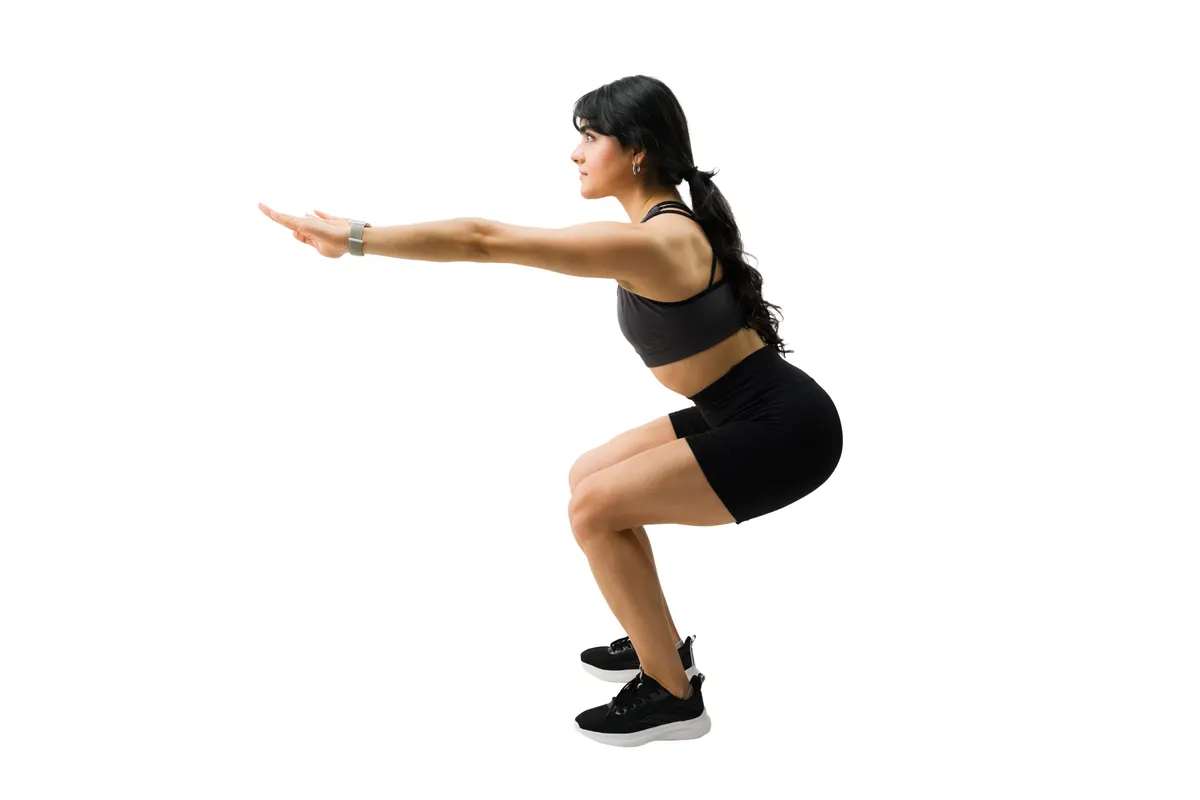
The activewear shopper buys for an activity, and the activity sets the requirements. A runner wants a high-impact bra with encapsulation, a rear pocket and reflective detail. A lifter wants leggings that stay opaque in a deep squat and a waistband that does not roll. A yoga customer wants four-way stretch and a seam that does not chafe in a long hold. Products that state which activity they are built for convert; products that claim to do everything convince no one.
Fit is technical. Compression level, rise height, inseam length, bra band and cup sizing, and whether the fabric is moisture-wicking or simply polyester all matter and are checked. Shoppers read reviews for one detail above all: did the leggings go sheer. They also look at whether the model is shown mid-movement, because a static pose hides everything they need to know.
Sets sell. Most activewear brands design a bra, a legging and a top in a colourway that goes together, and shoppers who like one piece will often buy the set if it is offered clearly and the colour is in stock across all three.
Demand arrives in waves: the first weeks of January, the September return to routine after summer, and any period when a brand launches a new colour or fabric. Between waves, replacement buying keeps going because leggings and bras wear out with washing and use, which gives the category a reorder cycle most fashion does not have.