Skip to content

Swimwear marketing agency

Marketing for swimwear brands: pre-season timing by hemisphere, mix-and-match separates, hygiene-liner returns, and creative that clears Meta's skin rules.

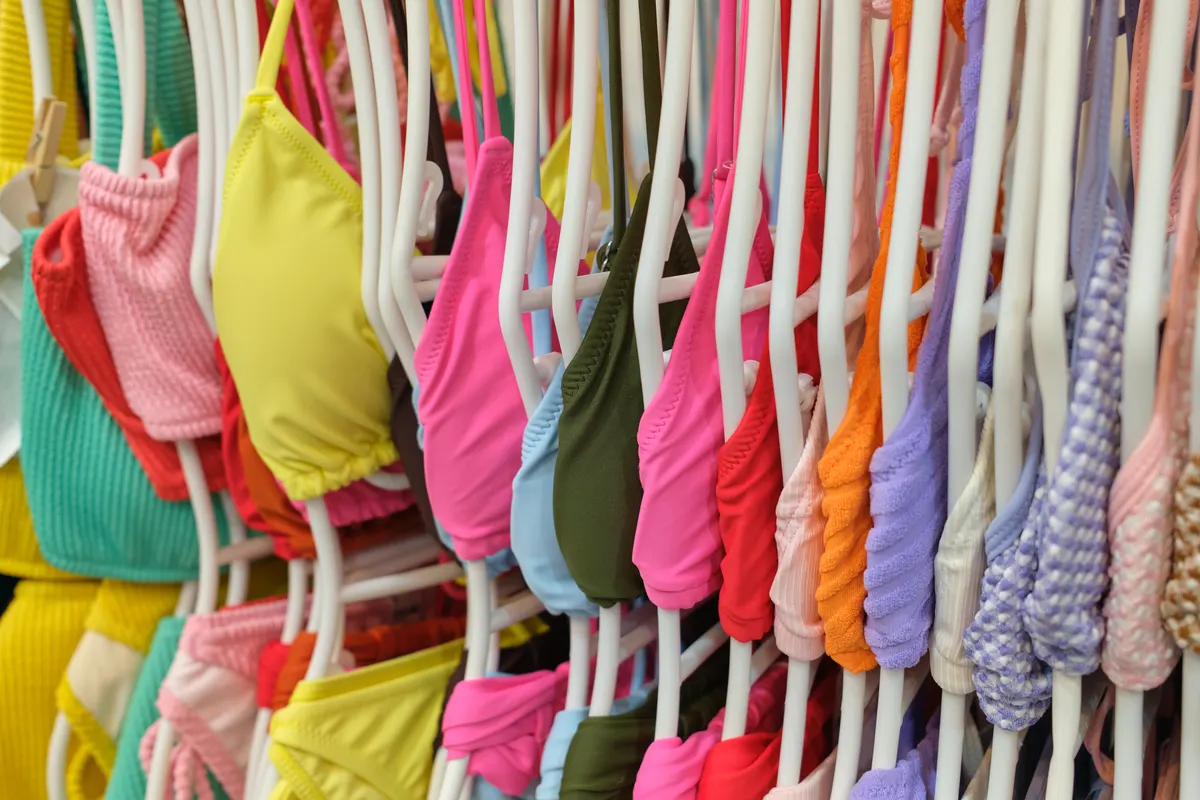
Swimwear marketing agency: close Up of Colorful Swimwear on Retail Rack. Detailed view of vibrant swimsuits displayed in a fashion boutique.

How a swimwear order comes together

Swimwear has the sharpest season in apparel and the most awkward returns. Demand in the northern hemisphere builds from spring and collapses by August, holiday shoppers buy in the weeks before they fly whatever the month, and every returned bikini bottom has to arrive with its hygiene liner intact or it cannot be resold. A store that starts advertising when the sun comes out has already missed the buying.

We write growth plans for swimwear brands that already sell online. The plan sets the campaign calendar by hemisphere and by holiday travel rather than by the weather outside your office, builds mix-and-match separates into the feed and the product page so a top in one size and a bottom in another is easy to buy, and puts the hygiene-strip returns rule where the shopper sees it before checkout.

It also covers creative that shows swimwear on bodies without tripping the adult-content filters on Meta and TikTok, which reject images for how much skin they show and how it is framed.

The swimwear shopper is usually buying for a date: a holiday, a pool opening, a swimming habit that starts in spring. The date sets the deadline and delivery speed becomes part of the product. Someone flying on Friday will pay for express shipping and will abandon a store that cannot promise arrival in time.

Fit is two problems at once. A one-piece has to fit torso length as well as bust and hips, and a shopper with a long torso knows to look for that measurement. A bikini is two garments, and many customers need a different size top and bottom, or a bra-sized top in a band and cup with a bottom sized by hip. Stores that sell separates individually, with the top and bottom sized independently and shown together, capture those orders.

Coverage, support and fabric are inspected. Cup support for a larger bust, tummy control panels, adjustable straps, cheeky versus full coverage bottoms, chlorine-resistant fabric for lap swimmers, UPF ratings for rash guards and swim shirts.

Returns are governed by hygiene. Most stores accept swimwear back only if the protective liner on the gusset is still attached and the garment has not been worn in water, and shoppers who do not learn this before buying react badly when a return is refused. The customer who finds a swimsuit that fits tends to buy the same style in a new print the following year, which is the reorder cycle for the whole niche.
Where swimwear brands
lose revenue

The four levers, in this niche.

Visitors

Visitors: advertise before the season, in the right hemisphere

Swimwear searches begin months ahead of the first hot day and peak while the shopper is planning a holiday, not while they are on one. The plan moves paid spend forward into late winter and spring for northern markets, runs a second calendar for Australia and southern markets whose summer is the opposite, and keeps a smaller always-on budget for holiday travel and lap swimmers. Feed titles carry the style and the feature people search, such as underwire bikini top, long torso one piece, or chlorine resistant swimsuit.

Conversion rate

Conversion: separates in separate sizes, and the liner rule up front

The product page needs the top and the bottom as independent purchases with their own size selectors, a torso-length measurement on one-pieces, cup and band guidance where tops are bra-sized, and an honest note on whether the fabric is lined. The hygiene-liner returns condition sits next to the size selector, and the delivery cut-off for express shipping is shown as a date, not a number of days. Reviews are asked about fit in water and colour after washing. We rebuild templates around those elements and test model imagery that shows the suit from the back and in motion.

Average order

Order value: build the beach bag

A swimwear order grows with a second bottom in a different cut for the same top, a cover-up or sarong in a matching print, a rash guard for the children, a beach bag or hat under the shipping threshold. Mix-and-match modules that show which tops and bottoms share a print make the second piece obvious. Holiday shoppers buy for the whole trip at once if the store lets them, so we merchandise by trip, not by product type, and set the threshold just above a single set.

Repeat purchases

Repeat purchases: the same fit in next year's print

The customer who found a top that supports her bust or a one-piece that fits her torso will buy that shape again, and the flow should tell her when it returns in a new print. Post-purchase emails record the style and size kept, and the pre-season launch email for the following year deep-links to that shape. Holiday buyers get a message timed to when people typically book their next trip. Lap swimmers get a chlorine-resistant replacement prompt, since their suits wear out on a schedule.

What we do for
swimwear brands

Five channels, one plan.

Google Shopping and search

Google Shopping and search ads for swimwear

Shopping for swimwear works when the feed leads the season. Campaigns are built by style and by feature so that underwire tops, high-waisted bottoms, long-torso one-pieces and rash guards each have their own budget and can be turned up as their search demand arrives. Titles carry the feature words shoppers use: Long Torso One Piece Swimsuit, Tummy Control, Navy. Separate campaigns run for northern and southern hemisphere markets on opposite calendars, and a holiday-travel campaign runs all year with express delivery in the copy.

Search ads cover queries a tile cannot answer, such as swimsuit for big bust and small hips or bikini top that fits a 34F, where the ad can state that tops are bra-sized. Negative keywords remove competitive swimming, wetsuit and children's terms if you do not sell them. Budgets are set to spend before the first hot week rather than during it, because the auction is most expensive when every brand finally notices the weather.

Meta and TikTok

Meta and TikTok ads for swimwear

Swimwear creative has to pass an adult-content review that was not written with swimwear in mind. Meta allows swimwear ads but rejects images that focus on individual body parts, use sexually suggestive poses, or show excessive skin in the platform's judgement, and TikTok is stricter still. Creative that works and passes shows the suit on a body in a real setting, from a natural distance, doing something: swimming, walking on sand, adjusting a strap. We build a set of images and clips per style shot to those rules and keep alternatives ready for rejections.

Try-on content from creators who state their bust size and height converts, especially for bra-sized tops and long-torso one-pieces. Prospecting runs pre-season on interest in holidays, swimming and beach destinations, and retargeting follows the deadline: someone who viewed a suit in May gets the express-shipping message, not a discount. The southern hemisphere calendar is a separate campaign structure so Australian audiences see summer creative in November.

Merchant Center and the feed

Merchant Center and the feed for swimwear

Swimwear is apparel in Merchant Center, so every variant needs age_group, gender, color and size and a shared item_group_id. Separates need particular care: a bikini top and its matching bottom are different products with different sizes, so they get separate item_group_ids, one per garment, and the product page each lands on has to sell that garment on its own. If tops are bra-sized, the size attribute carries the band and cup and size_system declares the convention. One-pieces benefit from a torso length or fit note in product_detail.

The pattern attribute is useful here because prints are how customers describe suits, and color must match the image. Main images need to be clean product shots; Google's image policy rejects overlays and promotional text, and lifestyle beach shots with the product small in frame belong in additional images. Availability has to be right by size mid-season because stock in popular sizes goes fast and a click on a listing for a sold-out size is wasted. Shipping settings should offer the express service the holiday buyer needs, priced per product where it varies.

SEO and AI search

SEO and AI search for swimwear

Shoppers ask assistants which swimsuit suits a long torso, what bikini top works for a large bust, what UPF rating a rash guard should have, and whether a suit will be see-through when wet. A brand that publishes clear, garment-specific answers on its own site becomes the source for those. We build a fit hub with a page per body question and a page per style, each opening with the answer, plus a fabric page explaining lining, chlorine resistance and UPF in plain terms.

Collection pages are organised by style, feature and print with real copy, so Underwire Bikini Tops and Long Torso One Pieces exist as pages rather than filters. Product pages carry sizing, lining, fabric and the returns condition as text. Seasonal pages for holiday destinations and pool season are updated each year rather than recreated. Structured data on products, FAQs and reviews lets assistants quote your fit information, and a returns page that explains the hygiene liner in plain terms ranks for the question customers search after their return is refused elsewhere.

Email and SMS

Email and SMS for swimwear

The programme runs on two clocks. The season clock sends the pre-season launch to last year's buyers first, deep-linked to the shape and size they kept, then to the wider list, with a second calendar for southern hemisphere customers. The trip clock uses purchase timing and any holiday date customers share to send a pre-trip message with express delivery and the beach bag pieces that go with what they bought.

Post-purchase flows carry care instructions for the fabric, a reminder of the hygiene-liner returns condition while the return window is open, and a review request asking about fit in water and colour after washing. Mix-and-match emails offer the second bottom in a different cut or the cover-up in the same print. Win-back is timed to the following year's pre-season rather than a fixed number of days, because a swimwear customer who has not bought in eight months is not lapsed. SMS is kept for delivery cut-off reminders before holidays and for restocks in the customer's size.

First three fixes

What the plan usually starts with for swimwear brands.

  1. Campaigns switched on when the weather turns

    Paid spend starts in June because that is when it feels like swimwear season, so the brand pays peak auction prices for shoppers who have mostly bought. We rebuild the calendar to start in late winter for northern markets, run the opposite calendar for southern markets, and keep a small all-year budget for holiday travellers.

  2. Sets that cannot be split

    Bikinis are sold only as matched sets in one size, so a customer who needs a medium top and a large bottom leaves. We list tops and bottoms as separate products with their own sizing, group them by print, and build a mix-and-match module so the pair is easy to assemble.

  3. The hygiene liner rule discovered at the returns portal

    The returns policy about the protective gusset strip is only stated in the terms page, and refused returns turn into complaints and chargebacks. We put the condition next to the size selector, in the order confirmation and in the post-purchase email while the return window is open.

Questions from swimwear brands

Before the season, not during it. Northern hemisphere searches build from late winter and peak in spring while people plan holidays; by the hottest weeks most buying is done and the auction is at its most expensive. Southern markets run on the opposite calendar, and holiday travel produces demand all year, so a small always-on campaign makes sense.

Swimwear is allowed, but Meta's adult content rules reject images that focus on body parts, use sexually suggestive poses, or show what the review judges as excessive skin. Creative shot at a natural distance, with the model doing something in a real setting, passes far more often. Keep alternative images ready for each style.

As separate products with separate item_group_ids, each with its own size run and its own product page, grouped by print with the pattern attribute. If tops are bra-sized, put the band and cup in the size attribute and declare size_system. Selling separates independently is also what lets customers buy different sizes for top and bottom.

Show the delivery cut-off as a date on the product page and in the cart, offer an express option priced clearly, and send a pre-trip reminder in email for customers who share a holiday date. A deadline buyer will pay for speed but will not gamble on a vague delivery estimate.

Mostly annual. A customer who found a shape that fits buys it again in next season's print, so the pre-season launch should go to last year's buyers first with their shape and size pre-selected. Lap swimmers replace suits more often because chlorine wears fabric out, and they respond to a replacement prompt.

Other apparel & fashion stores we work with

Send your swimwear brand store.

The plan says which lever is leaking and what to fix first, for your store as it is today.

Store, name, email and phone. A person replies from a real inbox. Privacy

Get your free growth plan