Skip to content

Sock & hosiery marketing agency

Marketing for sock and hosiery brands: shoe-size feeds, multi-packs and subscriptions, denier and compression explained, and apparel's fastest reorder cycle.

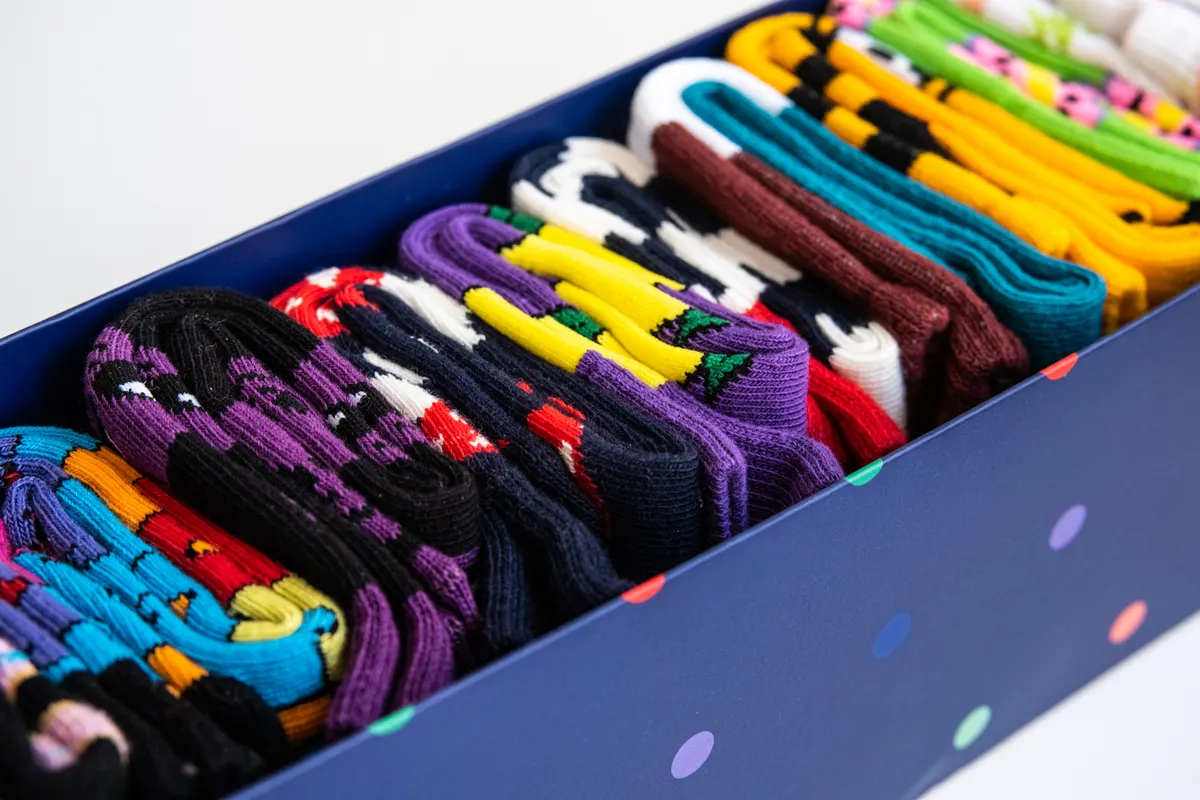
Sock & hosiery marketing agency: several colorful cotton socks rolls in a box.

How socks and tights get bought

Socks and hosiery are the only garments in fashion that wear out on a schedule and cost less than the parcel they ship in. That makes the niche a replenishment business dressed as a clothing business: the first order barely covers its own acquisition, the pack and the subscription carry the margin, and the customer who reorders every few months is the whole point. Tights add denier, opacity and season; compression socks add a set of claims the ad platforms watch closely.

We write growth plans for sock and hosiery brands that already sell online. The plan builds a feed that sizes by shoe size and by height and weight for tights, turns single pairs into packs and packs into subscriptions at the right moment, times campaigns to the winter tights season, the running season and December gifting, and keeps compression claims inside what the healthcare rules on Google and Meta allow.

It also fixes the free-shipping threshold, which decides whether a sock store profits on its first order at all.

The sock shopper is either replacing or gifting. The replacer buys a handful of pairs in one go, chooses by purpose, such as everyday, running, hiking, dress, or thermal, then by material, cushioning and height, and needs to know the shoe-size range each size covers. She responds to packs, because she needs several, and to a subscription if it arrives when the drawer is thinning and not before. She stays with a brand whose socks last, and she notices when they do not.

The gift buyer arrives in November and December and buys novelty, luxury or themed packs with a gift box, does not know the recipient's shoe size and wants a size guide that works from a rough idea. Gifting is the largest single window for most sock brands.

Hosiery has its own vocabulary. Tights are chosen by denier, which sets opacity and warmth, by finish such as matte or sheer, by whether they are control top, by season, and by a height-and-weight size chart that shoppers need explained. Ladders and durability are what reviews discuss, and winter is the season.

Compression socks are bought for travel, running recovery, standing jobs and pregnancy, and the shopper asks about compression level in mmHg and sizing by calf measurement. Claims about medical benefits move the product into a category the ad platforms treat as healthcare, so what the page says decides what the ads can say.
Where sock & hosiery brands
lose revenue

The four levers, in this niche.

Visitors

Visitors: purpose, material and size in the title

Searches name the purpose and the material: merino hiking socks, no show socks that stay up, 80 denier opaque tights, compression socks for flying 20 to 30 mmHg, bamboo dress socks size 11. Feed titles that carry purpose, material, height, pack count and size surface for those; Socks, Black, does not. Seasonal calendars for tights in autumn, running socks in spring and gifting in Q4 start before demand. Social prospecting shows the sock in use and the pack, since the click has to lead to a multi-pair order to pay for itself.

Conversion rate

Conversion: shoe-size ranges, denier and durability on the page

A sock product page needs the shoe-size range per size in the systems you sell to, the material composition, the cushioning and height, the wash guidance, and reviews that talk about how long the pair lasted. Tights need denier explained in plain terms, the height-and-weight size chart, and a photo that shows the actual opacity on a leg. Compression socks need the mmHg level, a calf-measurement size guide and careful wording. Packs and the subscription option sit beside the single-pair price so the shopper compares at a glance. We rebuild templates around those and fix the size selector so multi-size packs are easy.

Average order

Order value: packs, build-your-own and the threshold

The single pair is a loss on shipping, so the order value lever is everything. Packs of three, five and seven at a small saving per pair, a build-your-own bundle that lets the shopper mix purposes and colours in their size, a free-shipping threshold set at the pack price, and a gift box add-on in Q4 all move the order into profit. Tights sell in multi-packs by denier. We set the threshold from your parcel cost and margin, and build the bundle tool so it works from one size and many styles, which is how a replacer actually shops.

Repeat purchases

Repeat purchases: the drawer cycle and the subscription

This niche has the strongest replenishment cycle in apparel, and the flow should be timed to it from your own reorder data by purpose: running socks and everyday socks wear at different rates, tights ladder on their own schedule. The replenishment prompt offers the same pack in the same size, and the subscription is offered at the second order, when the customer has proof the socks last, rather than at the first. Seasonal messages cover tights before winter and running socks before spring. Gift buyers get a reminder the following November.

What we do for
sock & hosiery brands

Five channels, one plan.

Google Shopping and search

Google Shopping and search ads for socks and hosiery

Shopping for socks works on packs. Titles read Merino Hiking Socks, Cushioned Crew, 3 Pack, Size 9 to 12, or 80 Denier Opaque Tights, Matte Black, Medium, so the shopper sees pack count and size before clicking, and single pairs are listed but not pushed because the click rarely pays. Campaigns are split by purpose and by product type, with tights on an autumn and winter calendar, running and hiking socks on a spring calendar, everyday socks all year and a gifting campaign from November with the gift box in the title.

Compression socks need their own campaign and their own care. Google's healthcare and medicines policies apply when a product makes medical claims, so ad copy and landing pages describe compression level, sizing and use for travel or standing rather than promising treatment of a condition; claims that cross that line lead to disapprovals and can affect the whole account. Search ads take the questions a tile cannot answer, such as what denier for winter or which socks stop blisters, with copy that lands on the purpose guide.

Meta and TikTok

Meta and TikTok ads for socks and hosiery

Socks are a cheap, visual product that suits social prospecting when the creative shows the purpose and the pack: a runner pulling on the sock, a hiker showing the cushioning, a tights try-on that shows the real opacity of each denier on a leg in daylight. Durability content works well on TikTok, such as a pair after a year of washes, because it answers the question the shopper actually has. Gifting creative from November shows the box and the pack, and novelty and themed designs get their own short cycle.

Meta's health rules apply to compression socks: creative may describe compression level and use but cannot imply a medical outcome, show before-and-after imagery, or make claims about conditions. Personal attributes rules also apply, so copy avoids implying the viewer has swollen legs or a health issue. Audiences are built from engagement with running, hiking, travel and style content and from your customer list, with lookalikes from subscribers. Retargeting moves from the purpose video to the pack to the subscription, and comment sections fill with size questions that the shoe-size table answers.

Merchant Center and the feed

Merchant Center and the feed for socks and hosiery

Socks and hosiery are apparel in Merchant Center, so age_group, gender, color and size are required in the main markets and each size and colour shares an item_group_id. The size attribute carries the size as labelled, and because socks are sized by shoe-size range the size chart tool should hold the range per size in each system you sell to, with size_system declared. Tights sized by height and weight need that chart uploaded and the size value kept as the label. Packs use the multipack attribute with the pair count, and mixed bundles use is_bundle, so the price per item is understood by Google and the shopper.

Material carries the main fibre, which is searched for merino, bamboo and cotton, and product_highlight can state cushioning, height, denier and, for compression socks, the mmHg level as a specification rather than a claim. Images show the sock or the tights clearly, on a foot or leg or flat, without overlays. Compression products should not carry medical claims in titles or descriptions. We wire stock by size into the feed and keep pack and denier data in a supplemental feed so catalogue updates do not strip it.

SEO and AI search

SEO and AI search for socks and hosiery

Shoppers ask search engines and assistants what denier tights they need for winter, why their socks slide down, which material is best for sweaty feet, what compression level to wear on a flight, and how to stop tights laddering. A brand that publishes clear, useful answers on its own site is what the assistant quotes, and the same pages carry the pack and the subscription offer. We build a purpose guide with a page per use, a denier and opacity guide with real photographs, a material page, and a compression guide written to the sizing and use rather than to medical benefit, each opening with the direct answer.

Collection pages exist per purpose, material, height and denier with real copy, so Merino Hiking Socks and 60 Denier Tights are pages rather than filters. Product pages carry the size table, composition and durability notes as text. Reviews that mention how long the pair lasted are marked up. A subscription page explains the cadence and how to change size or frequency. Structured data on products, FAQs and offers lets assistants answer with your sizing and denier information rather than a marketplace's.

Email and SMS

Email and SMS for socks and hosiery

The programme is built on replenishment. The interval is set per purpose from your own reorder data, and the prompt offers the same pack in the same size a little before the drawer runs out. The subscription is offered at the second order, with the cadence pre-filled from the gap between the first two, and subscribers get an easy way to change size, style or frequency, because a subscription that is hard to change is cancelled. Tights customers get a pre-winter restock message by denier; running and hiking customers get a pre-season message by purpose.

Post-purchase flows include wash guidance that extends the life of the pair, a review request that asks how the socks lasted, and a build-your-own bundle offer for the next order. Gift buyers get a separate track with a size guide for the recipient and a reminder the following November. Win-back is triggered by the replenishment interval passing twice rather than by a discount. SMS is kept for subscription dispatch notices, delivery cut-offs before December and restocks of a size that ran out.

First three fixes

What the plan usually starts with for sock & hosiery brands.

  1. Free shipping on a single pair

    The threshold sits at the price of one pair, so the store ships most first orders at a loss and never trains the customer to buy the pack. We set the threshold at the pack price, show the per-pair saving on packs and the build-your-own bundle beside the single price, and offer the subscription at the second order.

  2. Compression socks that promise a medical result

    Product pages say the socks treat swelling and varicose veins, which pulls ads and listings under healthcare policies and gets them disapproved. We rewrite the pages and the feed to describe compression level, sizing and use for travel, running and standing, and keep the medical language off both.

  3. Denier listed with no picture of opacity

    Tights are listed by denier number alone, and shoppers who do not know what 40 denier looks like buy the wrong opacity and return it. We add a photograph of each denier on a leg in daylight, a plain explanation of the scale, and the height-and-weight chart beside the size selector and in the feed's size chart.

Questions from sock & hosiery brands

Keep the label size in the size attribute, declare size_system, and upload the shoe-size range per size for each system you sell to through the size chart tool so the listing can show it. Packs carry the multipack attribute with the pair count, and mixed bundles use is_bundle so Google understands the price per item.

At the second order, not the first. By then the customer has worn the socks and knows they last, and the gap between the first two orders tells you the cadence to pre-fill. Make size, style and frequency easy to change, because a subscription that cannot be adjusted is cancelled rather than edited.

Describe the compression level in mmHg, the sizing by calf measurement, and the use for travel, running recovery, standing jobs or pregnancy. Avoid claims about treating or preventing a medical condition and avoid before-and-after imagery. Those claims move the product into healthcare policies on Google and Meta and put listings and the account at risk.

With pictures. Show each denier on a leg in daylight beside a plain sentence about opacity and warmth, and put the same explanation on a denier guide page that answers the questions people ask assistants. Pair it with the height-and-weight chart so the size is chosen at the same time.

Shorter than any other garment and different by purpose. Running and everyday socks wear at one rate, dress socks at another, and tights ladder on their own schedule. Your own reorder data per purpose sets the interval, and the replenishment prompt should land a little before it with the same pack in the same size.

For most sock brands November and December are the largest window of the year, driven by boxed packs and novelty designs bought for someone else. Plan the gift box, the size guide for recipients and the campaigns in September, and give gift buyers a separate email track with a reminder the following year.

Other apparel & fashion stores we work with

Send your sock & hosiery brand store.

The plan says which lever is leaking and what to fix first, for your store as it is today.

Store, name, email and phone. A person replies from a real inbox. Privacy

Get your free growth plan