Skip to content

Streetwear marketing agency

Marketing for streetwear brands: drop calendars, waitlists that convert, core-range Shopping feeds that survive sell-outs, and email timed to release day.

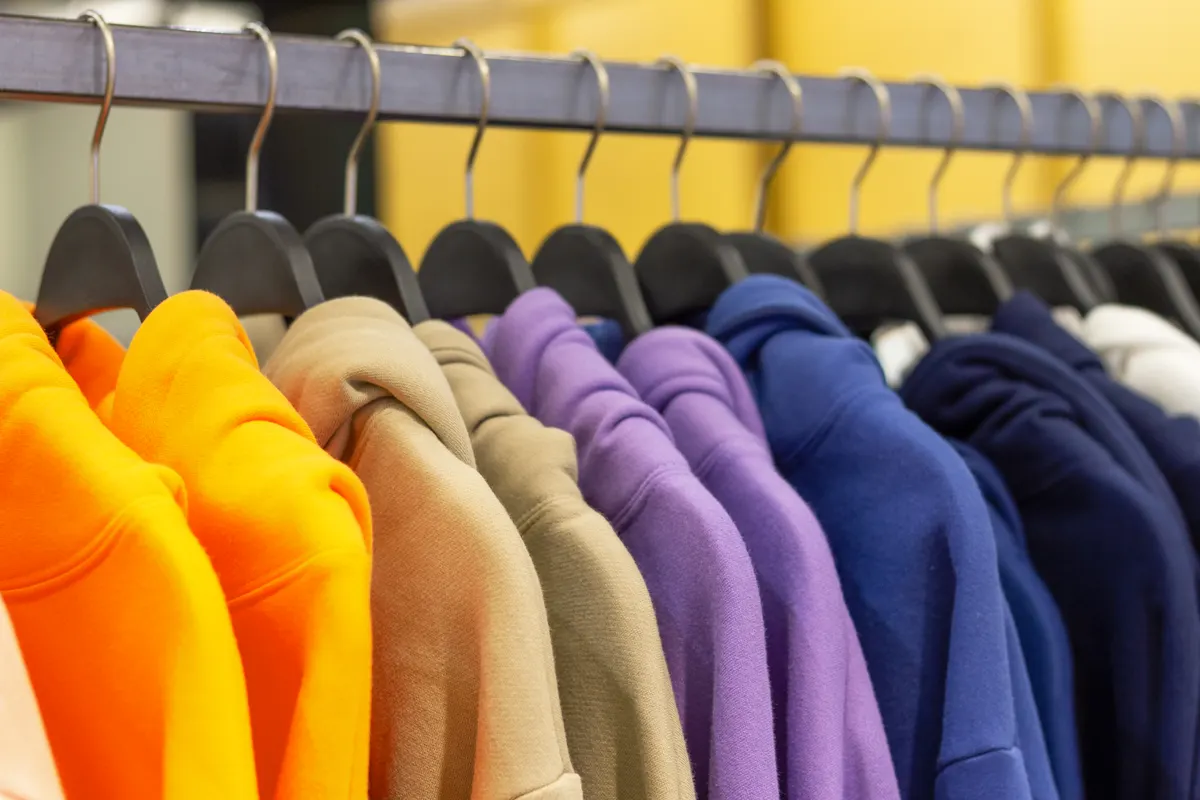
Streetwear marketing agency: colorful hoodies on hangers in a sports store close-up.

How the streetwear customer buys

Streetwear sells on the drop, and the drop is the hardest thing in ecommerce to advertise well. Stock is limited on purpose, the product page may only matter for an hour, and the people who care already know the release time. The marketing job is to make each drop bigger than the last without spending the whole month's budget in the ten minutes the pieces are live.

We write growth plans for streetwear brands that already sell online. The plan gives you a launch calendar with paid, email and SMS mapped to the days before and after each release, a product feed that handles sell-outs and restocks without disapprovals, and a between-drops plan for the core hoodies, tees and caps that keep revenue moving when nothing new is out.

Fit gets its own section, because boxy and oversized cuts confuse shoppers used to standard sizing, and a heavyweight hoodie returned for fit is one you could have sold to the next person on the waitlist.

This customer follows before they buy. They found the brand through a friend, a creator, a collab, or a resale listing, and by the time they land on the store they usually know what they want and when it goes live. The sale is decided in the days before the drop, on Instagram, TikTok, Discord and email, and the store's job on release day is to not get in the way.

Scarcity is part of the product. Limited runs, numbered pieces and collab releases create the urgency, and the resale market outside your store sets a second price that your customers watch. That cuts both ways: a drop that sells out quickly builds the next one, and a drop that sits at full price for weeks tells the audience something too.

Sizing is a genuine friction. Streetwear cuts are often unisex, boxy or oversized, and a shopper cannot tell from a small, medium, large label whether the hoodie will hang the way it does on the model. They want garment measurements: chest width, body length, sleeve length, and fabric weight in gsm. They also want to know the model's height and what size they are wearing.

Between drops, customers buy the core: blank or logo tees, hoodies in standard colours, caps and socks. This is the part of the range that regular Shopping and search advertising can carry, and it is where most brands under-invest because the drop is more exciting.
Where streetwear brands
lose revenue

The four levers, in this niche.

Visitors

Visitors: grow the audience before release day, not on it

Paid traffic bought during a drop is the most expensive traffic you will ever buy, and it arrives after the sale has been decided. The plan puts spend on the weeks before: teaser creative on Meta and TikTok, creator seeding, and content that pulls people onto the waitlist and the SMS list. Between drops, Shopping and search carry the core range to people searching for heavyweight hoodies, graphic tees and the brand name itself. Brand search protection during a launch keeps resellers from taking your own customers.

Conversion rate

Conversion: a product page that holds up in its first minute

Drop pages need to be built and reviewed days before they go live, with images, garment measurements, fabric weight, and the size run loaded, so the only thing that changes at release time is availability. Express checkout and saved addresses shorten the path for returning customers. When a size sells out, the page keeps working: a restock alert replaces the button rather than the size vanishing. Waitlist emails should deep-link to the exact variant, because every extra tap on a phone during a drop is a lost order.

Average order

Order value: attach the core to the drop

A customer who arrives for the release piece will often add a cap, a tee or socks if the page suggests them and the shipping threshold rewards it. We build pairing modules from your order history, set the free shipping threshold just above the hoodie price, and offer matching bottoms or a second colour of a core piece at the cart. Per-customer limits on drop items protect the release, and they push the extra spend onto the core range where stock is not the constraint.

Repeat purchases

Repeat purchases: turn one drop into a calendar

The customer who bought the last drop is the most likely to buy the next, if you tell them first. Early access windows, a members list with SMS alerts, and a restock flow for sizes they missed are the backbone. Between drops, the core range gets its own flows: a replenishment nudge for tees and socks, a new-colourway email for a hoodie they already own. We segment by drop bought and by size, so the alert for a restock in medium only goes to people who wear medium.

What we do for
streetwear brands

Five channels, one plan.

Google Shopping and search

Google Shopping and search ads for streetwear

Shopping does its best work on the core range, not the drop. Heavyweight hoodies, blank tees, sweatpants and caps get searched all year, and a well-titled feed with fabric weight, fit and colour in the title captures those queries at a steady cost. Drop pieces rarely benefit, because the search demand peaks after they have sold out and new product pages take time to be approved in Merchant Center, so we submit drop items to the feed in advance and hold them as preorder or out of stock until release.

Search ads matter for brand protection. During a release, resellers and marketplaces bid on your brand name and collab names; a small branded campaign keeps the top position and sends your own customers to your store. Broad non-brand terms like streetwear are expensive and vague, so the plan uses them sparingly and prefers specific terms: box fit tee, 500gsm hoodie, and product-style names the audience already uses. Negative keywords cover cheap, wholesale and fake, which pull in the wrong visitors.

Meta and TikTok

Meta and TikTok ads for streetwear

Streetwear is a social category first, and the paid side should extend what the organic account already does. Teasers, lookbook clips and creator fit checks run in the week before a drop to grow the waitlist and the SMS list, and the retargeting audience for release day is built from people who engaged with those. On TikTok, fit and styling videos from real customers work because they answer the sizing question the product page struggles with; we brief creators to state their height and the size they wear.

Ad review timing is a practical risk: a drop ad submitted an hour before release may not be approved in time, so creative goes into review days ahead with placeholder dates. Limited-run language is fine as long as it is true; claiming something is nearly gone when it is not is a policy problem and a trust problem. After a drop, the same creative shifts to core-range prospecting with the sold-out piece as social proof, and comments are watched closely because that is where fit questions and authenticity questions get asked in public.

Merchant Center and the feed

Merchant Center and the feed for streetwear

The feed has to survive sell-outs. Every size and colour is its own item with a shared item_group_id, and when a variant sells out its availability changes to out_of_stock rather than the item being removed, so approvals and history are preserved for the restock. Drop items go into the feed early with availability set to preorder and an availability_date matching the release, then flip to in_stock at launch. Apparel attributes are required: gender is usually unisex, age_group adult, and color must match the colour shown in the image rather than a creative name like Storm.

Images are a frequent disapproval source in this niche. Lifestyle shots with heavy text overlays or promotional badges get rejected as the main image, so the primary image is a clean product shot and the lookbook goes in additional_image_link. Fabric weight and fit belong in product_detail so they can be shown, and the size attribute should use the sizes on the label, with a size chart uploaded in Merchant Center for the boxy grading. We keep a separate supplemental feed for drop metadata so the main feed does not need editing on release day.

SEO and AI search

SEO and AI search for streetwear

The questions people ask are practical and brand-specific: when is the next drop, how does the hoodie fit, is this seller legit, is it worth the resale price. A brand that answers those on its own site becomes the source that search engines and AI assistants quote, instead of leaving the answers to forums and resellers. We build a drop archive that keeps every release page live after sell-out, with dates, sizes and a restock or waitlist form, so the pages keep ranking and keep collecting emails.

Sizing content is the other pillar: a fit guide per cut, with garment measurements in a table, the fabric weight, and photos of the same size on people of different heights. Core range collection pages get real copy about fabric, construction and country of manufacture. An authenticity page describes how to tell genuine product from fakes, which protects the brand and ranks for the questions worried buyers ask. Structured data on products and FAQs helps assistants answer with your information.

Email and SMS

Email and SMS for streetwear

The email and SMS programme is a drop machine with a core-range engine underneath. The drop sequence is announced, preview, early access for members, live, and last sizes, with SMS reserved for the live moment and for restocks because that is where speed matters. Segmentation by size lets a restock alert go only to people who wear the size that came back, which keeps the list responsive instead of annoyed.

Between drops the flows sell the core. A post-purchase email after a hoodie suggests the matching sweats; a replenishment nudge for tees and socks arrives when your order data says people usually reorder; a new-colourway note goes to owners of the same style. Win-back is timed to the drop calendar rather than a fixed number of days, because a lapsed customer is most likely to return for a release. Every email deep-links to the exact size and colour, since a customer on a phone during a launch will not browse.

First three fixes

What the plan usually starts with for streetwear brands.

  1. Sold-out product pages taken down

    After a drop the product pages are deleted or hidden, which loses their rankings, their links, and the chance to collect waitlist emails for a restock. We keep every release page live with a clear sold-out state, a restock or waitlist form, and a link to the core range, and we keep the feed item as out_of_stock rather than removed.

  2. The month's ad budget gone in the first hour

    Campaigns are set to run hard on release day with no caps, so the budget is spent on people who were going to buy anyway. We move spend forward to the teaser week, cap release-day campaigns, and hold a share for post-drop core-range prospecting using the sold-out piece as proof.

  3. Size charts that show body measurements for a boxy cut

    A standard body-measurement chart tells an oversized hoodie buyer nothing useful. We replace it with garment measurements per size, fabric weight, and the model's height and size worn, on the product page and in the Merchant Center size chart, which cuts fit returns and the customer service load around them.

Questions from streetwear brands

Several days before release, with availability set to preorder or out_of_stock and an availability_date for the launch. New items need time to be reviewed in Merchant Center, and an item submitted on the day may not be approved until the stock is gone. Flip availability to in_stock at the release moment.

Yes, for the core range. Hoodies, tees, sweatpants and caps get searched year-round and a specific, well-titled feed captures that demand at a steady cost. Drop pieces are a poor fit for Shopping because the search interest arrives after the sell-out. We split budget accordingly.

Nothing stops them entirely, but a branded search campaign on your name and the collab name keeps your store in the top position when demand spikes, and a live product page with a waitlist gives your customer a reason to stay rather than search elsewhere. An authenticity page also helps buyers avoid fakes.

With garment measurements per size, fabric weight, and photos of the same size on people of different heights, all on the product page above the fold. A short creator video where the person states their height and size worn does the same job in ads. Body-measurement charts do not work for boxy cuts.

Use it for the live moment and for restocks, where minutes matter, and keep the announcement and preview in email. Sending every message by SMS burns the list. Segmenting restock alerts by size keeps the messages relevant to the people who receive them.

Other apparel & fashion stores we work with

Send your streetwear brand store.

The plan says which lever is leaking and what to fix first, for your store as it is today.

Store, name, email and phone. A person replies from a real inbox. Privacy

Get your free growth plan