Skip to content

Hat & headwear marketing agency

Marketing for hat and headwear brands: fitted sizing by head circumference, beanie and sun-hat seasons, low-price order building, brims that survive shipping.

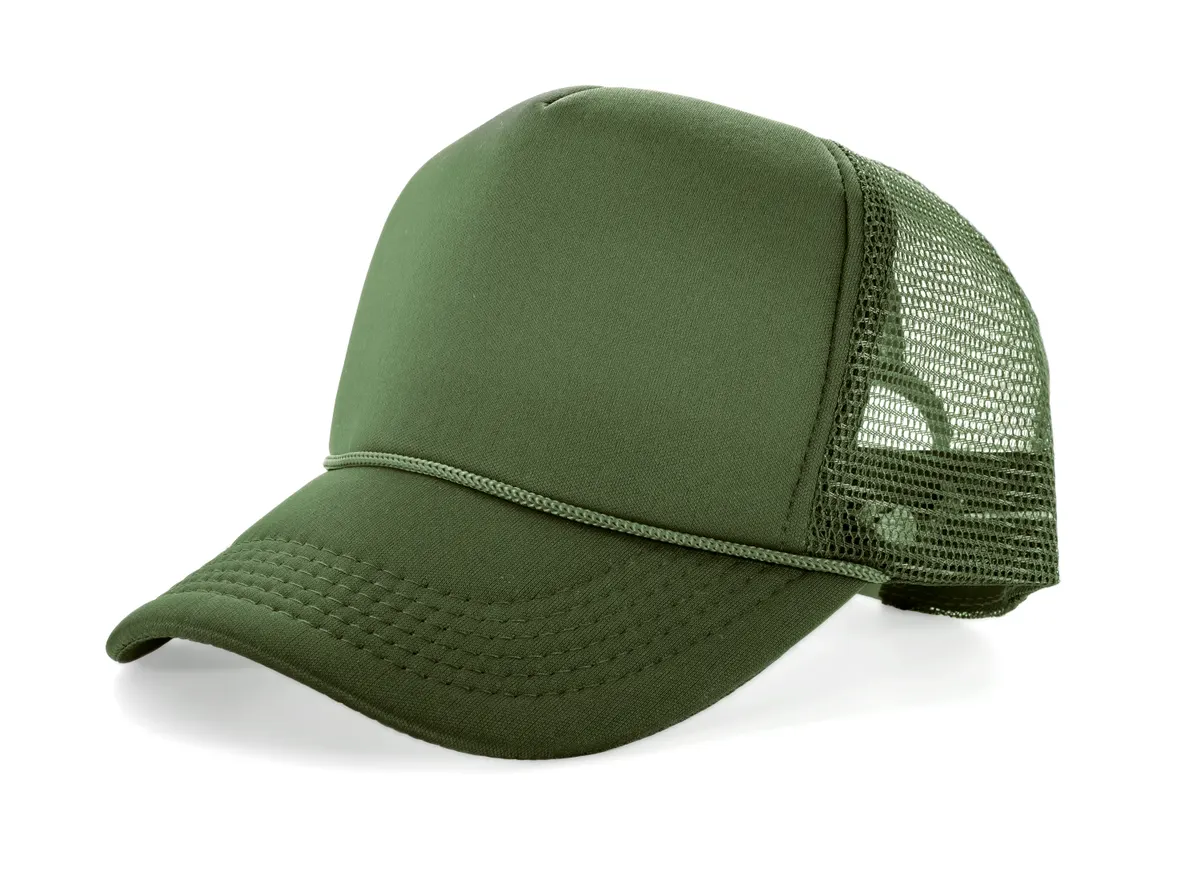
Hat & headwear marketing agency: side View Realistic Cap Mock Up In green khaki texture is a high resolution hat mockup to help you present your designs or brand logo beautifully. Green army. Olive. Snapback.

How headwear is picked and sized

Hats are small, cheap to ship, seasonal twice a year, and sized in a way most shoppers have never measured. A fitted cap is sold in head sizes like 7 1/4, a beanie is one size, a sun hat may be small to large, and a shopper who does not know their head circumference either buys adjustable or does not buy. The order is often a single item under the shipping threshold, so the store makes money on the second hat or not at all.

We write growth plans for hat and headwear brands that already sell online. The plan builds sizing help into the product page and the feed so fitted and sized styles convert, runs the two seasons the category has, beanies from autumn and sun hats from spring, as separate calendars, uses colour multiples and personalisation to lift a low order value, and protects the brand from the crushed-brim returns that come from bad packaging.

It also covers team and event orders, which are where headwear stores find their largest repeat customers.

The hat shopper buys by style first: fitted, snapback, strapback, dad cap, trucker, beanie, bucket, wide-brim sun hat, straw, felt. Within a style they choose by colour and by whether it carries a logo, a plain crown or an embroidered design. Sizing arrives as a problem late in the decision, when a fitted cap or a felt hat asks for a head size and the shopper realises they do not know it. A store that shows how to measure a head with a tape and maps circumference to its sizes keeps that shopper; a store that lists 7 1/8 through 7 3/4 with no explanation loses them to an adjustable style or another store.

Material and construction are checked for the purpose. Sun hats need a stated UPF rating and a brim width; winter beanies need the fibre, the lining and whether they are cuffed; performance caps need moisture management; straw and felt hats need a note on crushability and how to reshape them.

Price points are low relative to the rest of apparel, so the shopper often adds a second colour or buys for someone else, and gifting is a large share of December demand. Teams, clubs, companies and events buy in quantity with a logo, and once they have found a supplier they reorder for years.

Seasons are sharp. Beanies and wool hats sell from early autumn; bucket, straw and sun hats sell from spring into summer; caps sell all year with a lift around sports seasons. Returns are low in count but high in cost when a brim arrives crushed.
Where hat & headwear brands
lose revenue

The four levers, in this niche.

Visitors

Visitors: show up by style, season and head size

Hat searches name the style and often the purpose or the size: fitted cap 7 3/8, wide brim sun hat UPF 50, merino beanie, corduroy dad hat, custom embroidered caps. Feed titles that carry the style, the material, the size and the colour surface for those; a title that says Cap, Black, does not. Seasonal campaigns for beanies and sun hats start before their season, and an all-year campaign carries caps. Team and event buyers arrive through search for custom and bulk headwear and need a landing page that shows the logo process straight away.

Conversion rate

Conversion: teach the shopper their head size on the page

The product page for a sized hat needs a how-to-measure note with a tape illustration, a circumference-to-size table in centimetres and inches, a note on whether the style runs large, and the crown depth and brim width. Sun hats state UPF and brim width; beanies state fibre and lining; straw and felt state how to reshape after shipping. Photos on heads from front and side, and a note on how the hat arrives packed, remove the last doubts. We rebuild templates with the sizing help beside the size selector and add a size recommender that asks for circumference.

Average order

Order value: the second colour and the free-shipping gap

A single hat often sits under the shipping threshold, so the store's job is to make the second item obvious: the same cap in another colour, a beanie to go with a cap for the season, a hat-care brush or a travel box for felt and straw. Bundles of two or three caps at a small saving convert well because the price point is low. Personalisation such as initials or a small embroidery lifts the order and lowers returns. We set the threshold just above one hat and build the pairing modules from what customers already buy together in your order data.

Repeat purchases

Repeat purchases: seasons, colourways and the team reorder

Individual customers return for the other season's hat, for a new colourway of a style they wear, and for gifts in December. Flows record the style and, for fitted caps, the head size, so each season's launch and each colour drop is deep-linked to the right item. Teams, clubs and companies reorder for new members and new seasons, and a saved order with the logo and the quantities makes that a few clicks. We set the seasonal calendar from your own sales data rather than the weather and time the gifting campaign ahead of December.

What we do for
hat & headwear brands

Five channels, one plan.

Google Shopping and search

Google Shopping and search ads for headwear

Shopping suits hats because the price point is low, the image does most of the work, and the search is specific. Titles carry style, material, size and colour: Fitted Wool Cap, Size 7 3/8, Navy, or Wide Brim Straw Sun Hat, UPF 50, Natural, Medium. Campaigns are split by style and by season, so beanies and sun hats have their own budgets that start before their season and stop after it, while caps run all year with a lift scheduled around sports seasons.

Search ads take the size and purpose questions a tile cannot answer: what size fitted hat am I, best sun hat for a large head, packable travel hat, and the custom and bulk queries from teams and companies, where copy states minimum quantities, logo methods and lead times and lands on the bulk page. Negative keywords remove hard hats, helmets and costume terms that share words with headwear, and brand names you do not stock. Because a single hat often sells below the shipping threshold, Shopping copy and landing pages push the multi-buy offer early.

Meta and TikTok

Meta and TikTok ads for headwear

Hats are visual and cheap, which makes social prospecting efficient when the creative shows the hat on a head in a real setting: a beanie in cold weather, a sun hat at the coast, a cap on a run. Short try-on clips that show three colours on the same person, or the same cap on people with different head shapes, answer the questions shoppers have and lend themselves to the multi-buy offer. On TikTok, how-to-measure-your-head and how-to-reshape-a-crushed-brim videos earn attention because they are useful, and they carry the brand into the searches assistants get.

Audiences are built from engagement with style and sport content and from your customer list, with lookalikes from multi-item buyers rather than single-hat buyers. Seasonal creative flips in advance of the weather. Team and event buyers are reached with retargeting after a bulk-page visit, using creative that shows a finished team in the caps and states the lead time. Comment sections fill with size and colour questions, and answers with the circumference table become the next ad.

Merchant Center and the feed

Merchant Center and the feed for headwear

Headwear is apparel in Merchant Center, so age_group, gender, color and size are required in the main markets and each size and colour of a style shares an item_group_id. Sizing is where feeds go wrong. Fitted caps use fractional sizes such as 7 1/4, and the size attribute should carry them exactly as labelled with size_system declared; one-size styles use one size or an explicit note rather than leaving the attribute blank; sun hats and beanies sold small to large use those values. The Merchant Center size chart tool takes the circumference table so listings can show it.

Material carries the fibre or straw type and is worth filling because merino, corduroy and raffia are searched. product_highlight can state UPF, packable or made in a named country. Images must show the hat clearly, on a head or flat, without overlays. Multi-packs use the multipack attribute, and personalised caps list at the base price with embroidery as an add-on on the page. Stock by size for fitted styles has to be accurate because the middle sizes sell out first. We wire variant stock into the feed automatically and keep size and season data in a supplemental feed.

SEO and AI search

SEO and AI search for headwear

Shoppers ask search engines and assistants how to measure their head for a fitted hat, what size 7 1/4 means in centimetres, what UPF rating a sun hat should have, how to reshape a crushed straw hat, and what the difference is between a snapback and a strapback. A brand that publishes clear, measured answers on its own site is what the assistant quotes. We build a sizing hub with a measuring guide and a circumference-to-size table, a style glossary with a page per style explaining construction and fit, and care pages for straw, felt and wool, each opening with the direct answer.

Collection pages exist per style, per season and per purpose with real copy, so Fitted Caps and UPF Sun Hats are pages rather than filters. Product pages carry sizing, material, brim width and UPF as text. A custom and team headwear page explains logo methods, minimums and lead times. Reviews that mention head size and fit are marked up. Structured data on products and FAQs lets assistants answer the sizing questions with your table, which is how a shopper who did not know the brand finds the cap that fits.

Email and SMS

Email and SMS for headwear

The programme runs on the two seasons, the colour calendar and the head size. Customers who bought a beanie hear about sun hats before spring and vice versa; customers who bought a cap hear about each new colourway of that style first; fitted-cap buyers have their head size recorded so every later email links to it. Post-purchase flows carry care instructions for the material, a note on how to reshape a brim if the parcel was squashed, and a review request that asks about fit and head size.

The multi-buy offer is built into the flows: a second colour after the first purchase, a season pair before the weather turns, a gift set in November. Team and event buyers get a separate track with a saved order of logo and quantities, a reminder before their season and a check-in when new members join. Win-back is timed to the customer's next season rather than a fixed gap. SMS is limited to restocks in the customer's size and delivery cut-offs before December.

First three fixes

What the plan usually starts with for hat & headwear brands.

  1. Fitted sizes with no way to measure

    The size selector offers 7 through 7 3/4 with nothing explaining what the numbers mean, so most shoppers pick adjustable or leave. We add a measuring guide and a circumference table beside the selector, a size recommender that asks for a measurement, and the same table in Merchant Center's size chart tool.

  2. Brims crushed in the post

    Straw and felt hats ship in soft mailers, arrive misshapen, and come back as returns that cannot be resold. We change packaging to boxes for brimmed styles, add a reshaping guide to the post-purchase email and the product page, and reflect the packaging cost in the shipping threshold rather than in the hat price.

  3. One hat, no reason to buy two

    The cart shows a single cap under the free-shipping threshold with no suggestion, so the order ships at a loss or the shopper abandons over the shipping fee. We add colour multiples and season pairings to the product page and cart, set the threshold just above one hat, and offer a two-cap bundle at a small saving.

Questions from hat & headwear brands

Exactly as labelled, such as 7 1/4, with size_system declared, and with each size and colour as its own item sharing an item_group_id with the style. One-size styles should still carry a size value. Upload the circumference table through the size chart tool so the listing can show how to choose.

Before the weather changes. Beanie demand begins in early autumn and sun hat demand begins in spring, and the auction is cheapest before other brands react to the first cold or hot week. Your own sales data will show the exact weeks, and the campaigns for each season should be built while the other is selling.

Mostly by turning it into a two-hat order. Set the free-shipping threshold just above one hat, show the same style in other colours and the other season's hat on the page and in the cart, offer a two-cap bundle at a small saving, and add personalisation as a paid option. Packaging costs belong in the shipping threshold, not in the hat price.

The UPF rating, the brim width in centimetres, the material, whether the hat is packable and how to reshape it, the size and how to measure for it, and whether it has a chin cord or an adjustable band. Shoppers search for UPF and brim width specifically, so both belong in the title and in product_highlight as well.

Yes, through a separate bulk page rather than the normal product page. Show the logo methods, minimum quantities, lead times and a quote form, and save the order so the club or company can reorder for new members in a few clicks. These buyers reorder for years once the first order is right.

Other apparel & fashion stores we work with

Send your hat & headwear brand store.

The plan says which lever is leaking and what to fix first, for your store as it is today.

Store, name, email and phone. A person replies from a real inbox. Privacy

Get your free growth plan