Skip to content

Performance part marketing agency

Marketing for performance part stores: fitment by engine code, staged builds sold in the right order, and feeds that keep the ad account out of trouble.

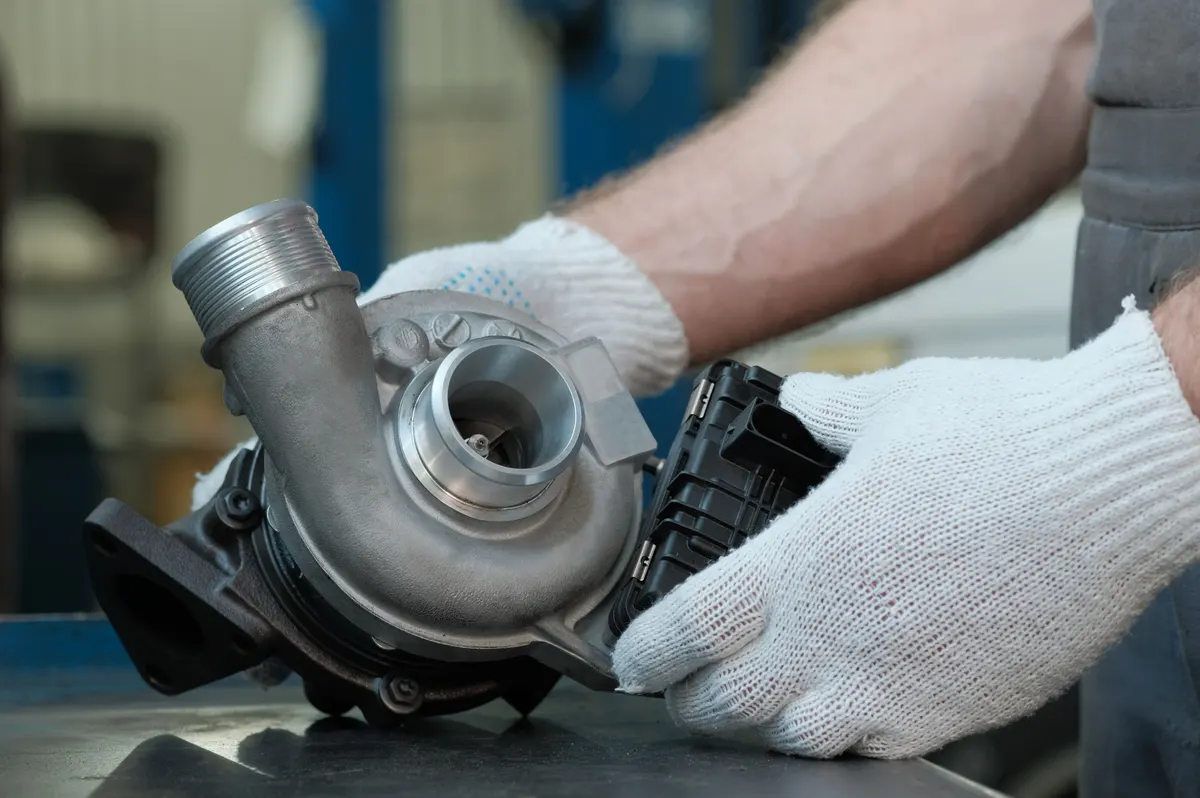
Performance part marketing agency: auto parts. Repair and maintenance in a car service.

How enthusiasts buy performance parts

A performance part store sells to someone building a car over years, not buying a part today. The customer knows their chassis and engine code, has read the build threads, and is working through a list in an order that matters, because fitting a turbo before the fuel system is how a build ends badly. A page that treats a downpipe as a standalone product misses both the sale and the four parts that go with it.

We work with performance stores that already sell online: intakes, exhausts, turbo and supercharger kits, intercoolers, fuelling, suspension, brakes, clutches and tuning, usually concentrated on a handful of platforms. The plan starts by shopping your store the way an owner with a specific engine code and a stage two plan does. Does the page name the engine, the transmission and the model years? Does it say what else the part needs? Does it say where the part is legal to fit?

Order value and repeat purchases carry this niche, because a build is a sequence of orders.

A performance purchase is one step in a plan. The owner has a target, more power, better lap times, a particular sound or stance, and a route to it that the community has already mapped: intake and exhaust, then a tune, then fuelling, then the turbo, then the clutch that suddenly cannot hold it. They know the order, and they know what happens when someone skips a step.

Research is heavy and social. Build threads, dyno charts, forum arguments about which bracket cracks, videos of the same platform on the same map. By the time they reach a product page they usually have a part number in mind and one question left: does this fit my exact car, and what else do I need at the same time.

Exact means engine code, transmission, drivetrain and model year, and sometimes the difference between two cars that look identical in a photo. A part that fits the manual and not the automatic has to say so before the price.

Legality is the other blocking question, and it changes with where the car is registered and tested. Buyers ask whether a part carries an emissions exemption number, whether it passes inspection where they live, and what it does to the factory warranty. Stores that answer honestly keep the sale and stay out of trouble.
Where performance part stores
lose revenue

The four levers, in this niche.

Visitors

Chassis codes and part numbers are the search terms

Owners search using the chassis or engine code with the part, often with the stage they are building towards, and they paste part numbers straight out of build threads. Pages carrying those codes, the model years and the numbers in readable text catch that traffic cheaply. Broad searches, the model name plus more power, are worth ads but decide slowly, so they should land on a guide that explains the path rather than on a single product listing that cannot answer the real question.

Conversion rate

Exact fitment, then what else the part needs

Two statements decide the sale. The first is fitment down to engine code, transmission, drivetrain and years, with the exceptions named rather than buried. The second is what the part requires to work properly, because the buyer already suspects there is a supporting modification and would rather hear it from you than from a forum after the box arrives. Add a legality line for the buyer's region and a real lead time for anything made to order, and most of the hesitation goes.

Average order

Sell the stage in the order it should be fitted

A turbo kit needs fuelling, a tune, a clutch and cooling. A set of track pads needs fluid and ducting. Putting the stage package on the product page, with the parts listed in the sequence they should be installed, raises the order and stops a customer running a half-finished setup that damages the engine. It also keeps the rest of the list from going to another store while your first box is still in transit.

Repeat purchases

A build is a sequence of orders across years

This is a repeat-purchase niche even though almost nothing in it is consumable. The customer who bought an intake in March is the customer for a tune in June and a turbo next winter. Record the platform and the current stage, then follow the ladder at the pace the owner is actually moving. Track use adds genuine consumables on top of it: pads, fluid, oil and tires, replaced on a schedule the owner already keeps in their head.

What we do for
performance part stores

Five channels, one plan.

Google Shopping and search

One structure per platform, and a feed that stays clean

Shopping campaigns split by platform first, because a store covering four engine families is really running four businesses. Inside each platform, product groups follow system: intake, exhaust, fuelling, cooling, suspension, brakes, drivetrain. That structure matches how owners search and it stops a cheap intake spending the budget a turbo kit needed.

Titles carry the platform, the engine code and the year range, since those are the words in the query. Custom labels hold margin, lead time and whether an item is made to order, so budget is not spent driving demand for parts with a three month wait while shelf stock sits unsold.

This is also the niche where the ad account needs watching. Anything described as removing or bypassing emissions equipment does not belong in a feed, and listings written in that language put the whole account at risk. Negatives clear out used parts, salvage, tuning services, dyno bookings and the endless searches for free power.

Meta and TikTok

Real cars, real fitment, no invented numbers

Social works here because the community already lives on it. Build accounts, platform pages and event coverage are where owners see a part in use, and a store that shows real cars running its parts, named by platform, earns attention that a catalogue image never will.

Creative should show what enthusiasts actually judge: the quality of the welds, how the part sits against the factory mounting points, the sound, the car on track or on the rollers. Claims stay within what the footage shows, with no invented figures, because this audience checks and says so publicly.

Retargeting follows the build ladder rather than the last product viewed. Someone who looked at a turbo kit sees fuelling and a clutch. Someone who bought an intake sees the tune. Timing follows the season: winter is when cars come off the road for the big jobs and spring is the deadline everyone sets themselves, so the October message and the April message are different.

Merchant Center and the feed

MPN, minimum advertised price, and honest categorisation

Performance feeds need brand, MPN and precise titles, plus discipline about language. Write the title as part type, brand, then platform, engine code and year range, so a search naming the engine matches the item. Group variants such as finish or pipe diameter under item_group_id rather than listing them as separate products competing with each other.

Minimum advertised price is enforced by many performance brands, so feed prices and promotions have to respect it or you risk the dealer account that makes the store possible.

Compliance matters more here than anywhere else in automotive. Parts intended for competition use only, or that alter emissions equipment, need honest categorisation and honest descriptions, and some of them do not belong in a shopping feed at all. Keep exemption numbers in the description where they exist, keep defeat device language out of the store entirely, and set freight shipping groups for the long heavy items such as full exhaust systems and intercoolers so the quoted price survives the checkout.

SEO and AI search

Platform hubs that explain the path, not product copy

Organic search in performance parts is won with build guides. Owners, and the assistants they ask, want to know what stage two actually means on their engine, which supporting modifications a given turbo needs, whether a part passes inspection in their state or province, and what breaks next when power goes up.

We build a hub per platform: what the engine responds to, the sensible order of modification, the known weak points, and your parts at each step. Those pages age well, earn forum links, and answer the exact question an assistant is handed. Product pages carry fitment, supporting requirements, lead time and legality as plain text rather than in a spec image.

Dyno charts and install documentation belong on the page as content, with the conditions stated, not as marketing claims. Every legal statement should be accurate and tied to a jurisdiction, because a wrong answer costs a customer an inspection failure and costs you the trust that made the sale in the first place.

Email and SMS

Follow the build, and keep long lead times honest

Email follows the build. Record the platform and what the customer has already fitted, then send the next step when they are likely to be ready for it rather than every week. An intake buyer hears about the tune. A tune buyer hears about fuelling. A turbo buyer hears about the clutch before it starts slipping.

Lead times need their own flow. Made-to-order parts create anxiety, and a short note at each stage, in production, ready to ship, tracking issued, prevents both the support ticket and the cancelled order.

Seasonal sends match how the cars are used. Autumn is when the car comes off the road and the big parts get ordered, winter is when the build happens and the small hardware gets forgotten, spring is the deadline everyone sets themselves, and summer is event season, which brings pads, fluid and tires back around. SMS suits restock alerts on parts people have waited months for.

First three fixes

What the plan usually starts with for performance part stores.

  1. Put engine code, transmission and years above the price

    Two cars that look identical can take different parts, and the manual and automatic split catches people constantly. Naming the exact fitment before the price removes the doubt that sends buyers back to a forum thread instead of into the cart.

  2. List the supporting parts each stage genuinely needs

    A turbo without fuelling, a tune without a clutch, a big brake kit without the right wheel clearance. Saying what else the job needs raises order value and prevents the failures that turn into refunds and public complaints.

  3. Audit the store for emissions language before it costs you the account

    Descriptions written around removing or defeating emissions equipment endanger the ad account, the payment processor and the business. Rewrite the listings, categorise competition-only parts honestly, and keep exemption numbers where they legitimately apply.

Questions from performance part stores

Some can be listed with careful, accurate descriptions, and some should stay out of the feed entirely. The dividing line is whether the part alters or removes emissions equipment on a road vehicle, which is not something to advertise around. We audit the catalogue, separate the parts that carry a legitimate exemption number from the ones that do not, keep the second group out of paid channels, and make sure the descriptions do not put the ad account or the payment processor at risk.

Say the lead time on the product page, in the ad landing page and again in the order confirmation, then keep talking while the customer waits. A build note at each stage, in production, ready to ship, tracking issued, turns a long wait into a process rather than silence. We also flag made-to-order items in the feed with a custom label so the budget is not spent creating demand you cannot fill quickly.

Everything that is not the price. Stock you can actually ship today, honest lead times, fitment certainty for a specific engine code, the supporting parts included, install documentation, and the staging advice that stops a build going wrong. Those decide where an enthusiast orders far more often than a small discount would, and none of them put your dealer accounts at risk.

By measuring the customer, not the click. We track first order, the platform, the stage reached and the value across the build rather than judging a campaign on its first sale. That changes decisions: a campaign that looks weak on day one can be the one bringing in the customers who order the turbo in November. It also means the email and retargeting sequences matter more here than the initial ad, and are budgeted that way.

A meaningful share, but earned rather than bought. The platform communities are where parts get recommended, and they are quick to reject a store that only appears when it wants something. What works is being genuinely useful in public, with install documentation, honest fitment notes, and staff who answer technical questions without pitching. The paid channels then convert the demand that community credibility creates.

Other automotive & marine stores we work with

Send your performance part store store.

The plan says which lever is leaking and what to fix first, for your store as it is today.

Store, name, email and phone. A person replies from a real inbox. Privacy

Get your free growth plan