Skip to content

Motorcycle part marketing agency

Marketing for motorcycle part stores: fitment by model code, chain and sprocket kits sold as a job, and a calendar built around the riding season.

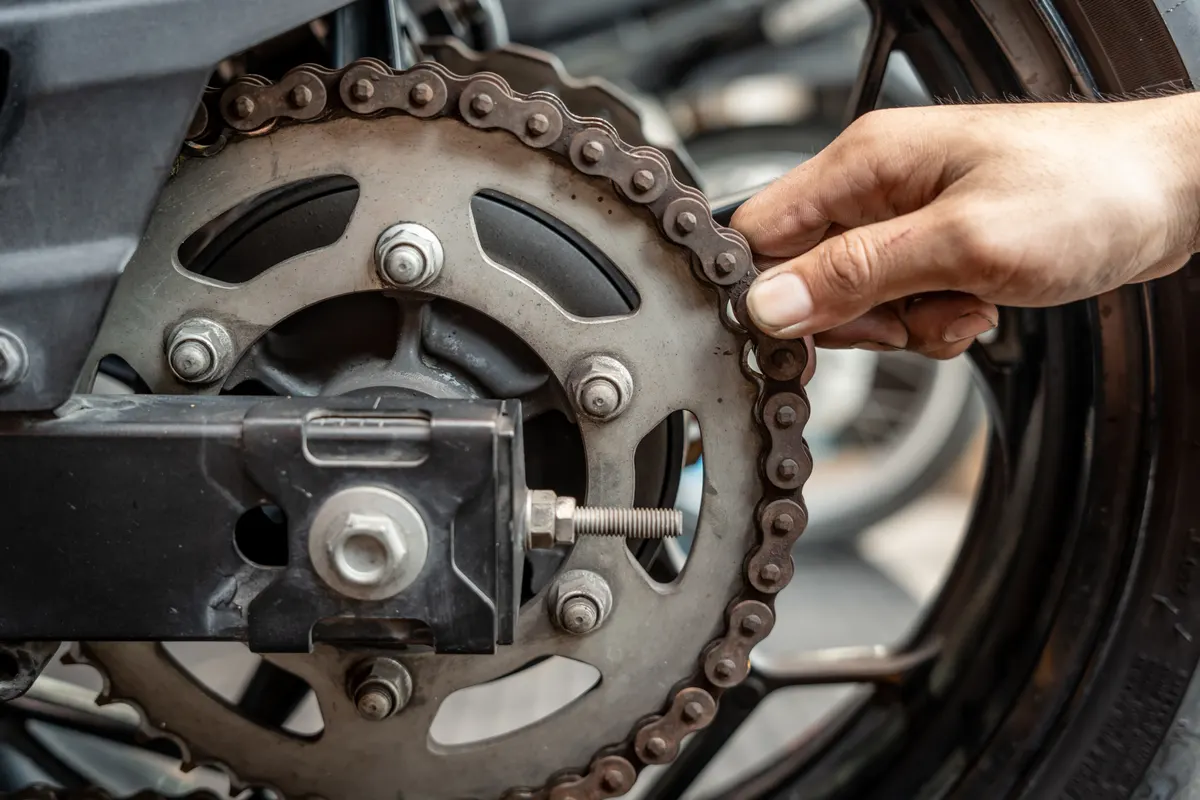
Motorcycle part marketing agency: mechanic Check chain's wear level by attempting to pull it away from the back of the rear sprocket in garage,.

How riders buy motorcycle parts online

A motorcycle part store sells into a season and a garage. The rider knows the bike down to the model code and the year the frame changed, and they are usually doing the work themselves with the tank off. If your page cannot say whether a sprocket is 520 or 525, or whether the pads suit the four-piston caliper fitted to the later model, they close the tab and go back to the forum thread that sent them.

We work with stores that already sell online: chains and sprockets, tires, brake pads, filters, levers, exhausts, bodywork and riding gear, across sportbikes, cruisers, adventure bikes and dirt. The plan starts by shopping your store the way a rider with a ten year old bike and an open service manual does. Does the fitment ask for the model code as well as the year? Does the chain listing state the pitch and the link count? Does the gear page carry the maker's own size chart?

Conversion on fitment and repeat purchases on consumables are usually the two weakest numbers.

A rider buys in two modes and the store has to serve both. The first is maintenance: the chain is stretched, the pads are down to the backing plate, the oil is due before a trip. The second is the build, where a rider decides on new levers, a different exhaust or a suspension refresh and shops for weeks before committing.

Both start with the bike, and the bike is more specific than a year and a model name. A model can change frame, caliper or sprocket carrier partway through a generation, so riders identify themselves by model code and sometimes by the number stamped on the headstock. They check a manual or a forum thread, then search with the part and the bike together.

Riders also do their own work far more than drivers do. That makes install detail part of the buying decision: what tools the job needs, whether the chain ships riveted or clipped, whether the fairing has to come off to reach the filter. Pages that answer those questions get the order.

Season sets the pace. Orders build through spring as bikes come out of storage, hold through summer, and fall away when the bike goes back on the tender. A store that only sells in season leaves the winter months empty when it could be selling layup supplies, gear and build parts.
Where motorcycle part stores
lose revenue

The four levers, in this niche.

Visitors

Riders search with the model code attached

Riders search with the bike attached to the part, and often with the chain pitch, the pad compound or the model code in the query. Those searches are specific and cheap to win. Product and collection pages that carry the model code, the production years and the size detail in readable text pick up that traffic without an ad behind it. Shopping ads then cover the broader model plus part searches where the volume sits. Install guides that answer a technical question properly bring steady traffic from forum links for years.

Conversion rate

Fitment on a bike is finer than year and model

A store that asks for the model code, then states the chain pitch and link count, the pad compound and the caliper it suits, removes the doubt that keeps a rider in a second tab. Add the install detail on the same page: tools needed, whether the chain ships riveted or clipped, whether the bodywork has to come off. On riding gear, publish the maker's own size chart with real measurements instead of a generic small, medium and large, because sizing doubt is what stops those carts.

Average order

Sell the job, not the single part

Almost nothing on a bike is one part. A chain wants both sprockets and usually a rivet tool. Pads want fluid and often a bleed kit. An oil change wants a filter, a crush washer and the right quantity of the grade the manual specifies. Selling the job rather than the part raises the order without a discount, and it saves the rider a second order and a second shipping charge on a bike that is already in pieces on the garage floor.

Repeat purchases

Consumables come back with the riding season

Chain lube runs out in a season, oil and filters follow the service interval, tires follow the mileage a commuter or a touring rider burns quickly. Because the first order tells you the bike, the reminder can be timed to the riding season rather than to a calendar month. A rider who bought pads in April is due for a chain check by autumn, and the store that stored the model code sends the correct part number instead of a general promotion.

What we do for
motorcycle part stores

Five channels, one plan.

Google Shopping and search

Parts, gear and consumables never share a campaign

Shopping campaigns split by part type and by how much the rider already knows. A query naming the bike and the part, like a chain and sprocket kit with a model and year, gets its own product group, a bid that matches the real margin, and a landing page already filtered to that bike. A query for a part type alone gets a lower bid and a collection page with the bike selector at the top.

Gear runs separately from hard parts. Helmets, jackets and gloves are sized, returned more often and chosen on brand and certification rather than fitment, so mixing them with sprockets hides the performance of both. Consumables like oil, lube and filters produce small orders, so they run on tight bids and earn their money on the second purchase.

Negative keywords do real work here. Searches for used bikes, bikes for sale, insurance, licence courses and repair shops look close and buy nothing. Budget follows the riding calendar, building from the first dry weekend of spring and shifting to storage supplies and gear in the off season.

Meta and TikTok

Show the job on the bike, not the part on white

Social sells motorcycle parts when the creative shows the bike and the work, not the box. A clip of a chain and sprocket swap on a common model, a fitted exhaust with the sound left in, or a rider explaining what changed after a suspension refresh gets attention from people who actually buy. A sprocket on a white background does not.

Retargeting is where most of the return sits. A rider who read the fitment on a pad set sees the fluid, the bleed kit and the discs for the same bike. A rider who looked at a jacket sees the size chart and the return rule, because sizing, not price, is what stopped them.

Model groups and owner clubs are strong in this niche and quick to notice a store that turns up only to sell. Presence there comes from riders who already bought and from install content worth sharing. Paid pushes land best in the weeks when bikes come out of storage and again before the long weekends when people plan trips.

Merchant Center and the feed

Hard parts need MPN, riding gear needs apparel attributes

A motorcycle feed carries two product types that Merchant Center treats very differently. Hard parts need brand and MPN, with identifier_exists set to false only where a part genuinely has no identifier. Riding gear falls under apparel, so it needs size, colour, age group and gender, and it needs item_group_id so the sizes of one jacket group together instead of competing against each other.

Fitment has no dedicated attribute, so it goes in the title and the description. We write titles as part type, brand, then bike and year range, and put the model code and the size detail, chain pitch, link count, pad compound, into the description where the matching engine can read it.

Shipping needs its own groups. A chain is heavy, oil and brake fluid ship by ground only under hazardous goods rules, and a helmet is a large light box that most rate tables price wrongly. One flat rate across all three produces mismatch warnings and abandoned carts. We set rates by product class in the feed and in the checkout so the two agree.

SEO and AI search

Model pages, specification in text, and guides that earn links

Organic and AI search reward the store that answers the technical question properly. Riders ask which chain pitch their model uses, how many links a kit needs, whether sintered pads suit their caliper, what oil grade the manual specifies, whether a helmet certification is accepted where they ride. Pages that answer in plain sentences, with the model named, get quoted and clicked.

We build a page per model that gathers everything for that bike and opens with a short summary of what changed across its production years, because that is the detail riders and assistants get wrong most often. Product pages carry the specification as text rather than only inside a spec image, which is invisible to both.

Maintenance and install guides earn forum links that product pages never will, and they answer the question that comes immediately before the purchase. Each guide lists the parts and consumables the job needs and links to them filtered to the reader's bike. Structured data keeps brand and mpn consistent with the feed.

Email and SMS

A riding season sequence and an off season that still sells

Email runs on the bike in the account and the weather outside. A first order tells you the model, the year and the kind of riding, so every send after it can be filtered to parts that fit. A chain purchase starts a sequence: fitting notes and slack setting in the first week, lube and cleaner a month later, a sprocket wear check before the next season.

The off season is not dead time. A layup sequence covers battery tenders, fuel stabiliser, covers and the oil change riders do before parking the bike. A spring sequence covers the shakedown: tire pressure, chain, brake fluid, filters and a gear check. Those two carry the months when the store would otherwise be silent.

SMS suits back-in-stock alerts on parts and gear sizes, because a bike off the road in riding season is an urgent problem. Abandoned carts on gear get the size chart and the return rule rather than a discount code.

First three fixes

What the plan usually starts with for motorcycle part stores.

  1. Ask for the model code, not just the year and model

    Mid-generation changes to calipers, carriers and frames make a year and model answer wrong often enough to drive returns. A selector that captures the model code, stores it and filters every page is the largest conversion fix available here.

  2. List what else the job needs on the part page

    A chain page that shows both sprockets, the rivet tool and the lube, and a pad page that shows fluid and a bleed kit, raises order value without discounting and saves the rider a second shipping charge on a stripped bike.

  3. Build a layup sequence and a spring shakedown sequence

    Two seasonal email flows, one when bikes go into storage and one when they come out, fill the quietest months of the year with orders you already have the customer list for.

Questions from motorcycle part stores

No. Gear and hard parts behave nothing alike. Gear is sized, is returned more often, is chosen on brand and certification rather than fitment, and needs apparel attributes in the feed. Hard parts are chosen on fit and part number and are rarely returned when the fitment is right. Sharing a campaign means one hides the other's numbers, and the bidding ends up wrong for both. We run them apart and let each carry its own return rate and margin.

Sell the off season instead of waiting it out. Riders still spend on storage supplies, battery tenders, covers, gear bought while it is discounted, and build parts fitted in a warm garage over the winter. We build a layup flow when the bikes come off the road and a shakedown flow when they come back, then shift ad budget from parts to gear and accessories in between. It will not match summer, but it stops the store going quiet for four months.

It affects the shipping table and the promise on the page. Those items ship by ground under hazardous goods rules, so they need their own shipping group with realistic transit times, and the product page has to say so before the cart. In the feed the same rates apply, otherwise Merchant Center flags a mismatch. It also shapes bundling: pairing a fluid with a light part can slow the whole order, so we say that plainly rather than surprising the rider.

You can become the page the thread links to. Threads link to whichever source answers the technical question best, and that is usually not a product page. We build install and maintenance guides that carry the specification, the tool list and the fitment detail for specific models, then link the parts from inside them. Over time the links come to you, and the same pages are what AI assistants quote when a rider asks the same question.

Usually yes, because old bikes are exactly where a well-indexed page wins. Those riders search precise terms, the search volume is low but the competition is lower, and few stores keep the pages tidy. We keep them organic rather than funding ads against them, and we watch which of them actually convert. Where the stock has gone and cannot be replaced, the page should say so rather than collect clicks that end in an out of stock message.

Other automotive & marine stores we work with

Send your motorcycle part store store.

The plan says which lever is leaking and what to fix first, for your store as it is today.

Store, name, email and phone. A person replies from a real inbox. Privacy

Get your free growth plan