Skip to content

Online tire store marketing agency

Marketing for online tire retailers: size and speed rating in the feed, installed price on the page, and a winter changeover that sets the whole year.

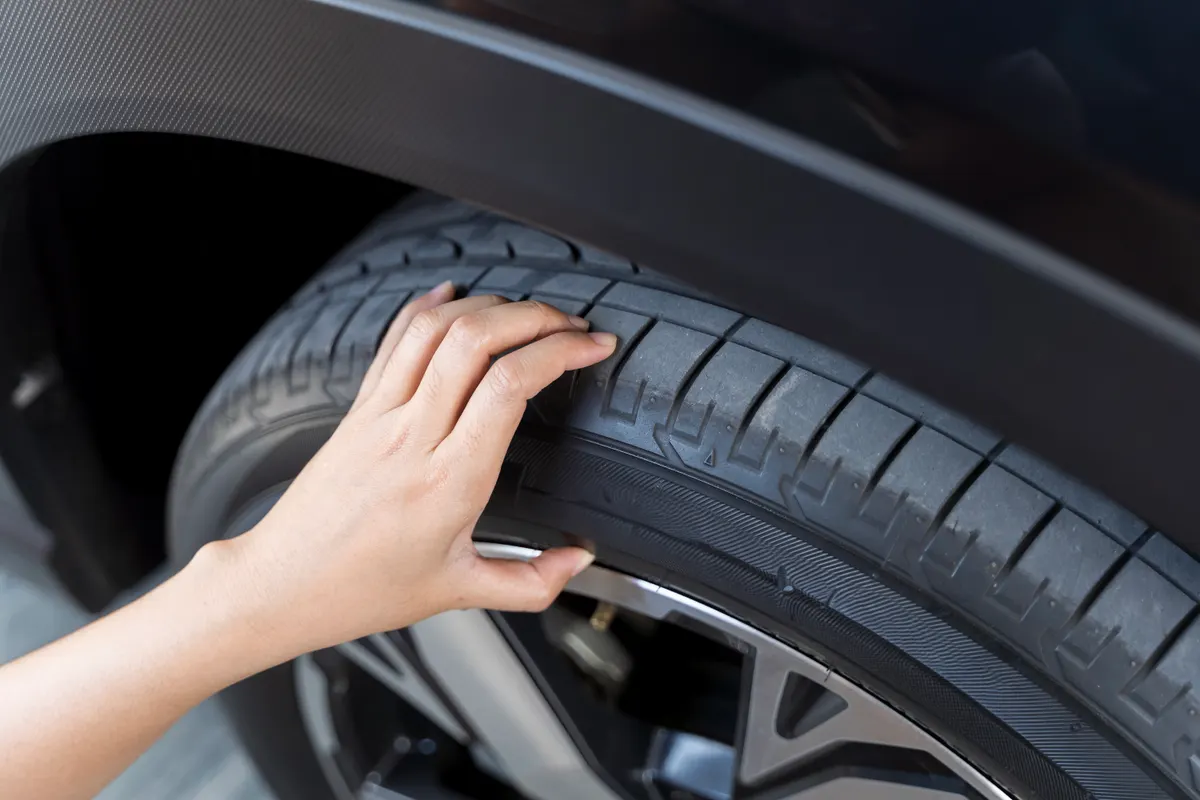
Online tire store marketing agency: hand woman checking air pressure air car tire. Close-up of unrecognizable woman checking the status of his car's tires.

How drivers buy tires online

An online tire store sells a heavy, size-coded product that most buyers cannot fit themselves. The hard parts of the sale are delivery and installation, not the tire. A shopper arrives with a code off the sidewall, or with a vehicle and no idea what size it takes, and the store has one job: confirm the size, the load index and the speed rating, then say where the tires will land and who mounts them.

We work with tire retailers that already sell online, whether you ship to the door, ship to a network of installers, or run bays of your own. The plan starts by buying a set the way a driver with a five year old crossover and a slow leak does. Does the vehicle lookup return the original size and the approved alternatives? Does the page explain the load index and speed rating in words? Is mounting in the price, or does it appear later?

Conversion and order value are usually the weak numbers here.

Tire buying starts with a trigger and a deadline. A slow leak, a failed inspection, a bulge in the sidewall, or the first cold week that reminds a driver the winter set is due. Very few people shop for tires early, so the shopper you get is in a hurry and looking at two or three stores on the same size at once.

They identify the tire by the code on the sidewall, something like 225/45R17 94V, and the last part is not decoration. The load index and speed rating have to match what the vehicle was built for, and a shopper who does not know that needs the page to tell them. Others arrive by vehicle and expect the store to return the original size plus any approved alternatives.

Then comes the question that decides the sale: who fits them. A driver with no jack and no torque wrench needs an installer, an appointment, and a price that includes mounting, balancing, valve stems or a sensor service, and disposal of the old set. Stores that quote the tire alone and leave the rest to the shopper lose the people who do the arithmetic and give up.

Tires are dated too. Buyers check the week and year in the code on the sidewall and ask about it, so a store that explains its stock rotation in plain language answers a lot of email before it is sent.

Where online tire retailers
lose revenue

The four levers, in this niche.

Visitors

Two searches, two different pages

One search is the size itself, typed straight off the sidewall, and it wants a page listing every tire you stock in that size with the load and speed ratings visible. The other is the vehicle, and it wants a page that returns the original size and the approved alternatives before it shows any products. Seasonal searches for winter and all-weather sets arrive inside a narrow window each autumn, so those pages have to be live, indexed and stocked weeks before the first cold snap.

Conversion rate

Sets are abandoned at the fitting question, not the price

Show the installed price on the product page: tires, mounting, balancing, valve service and disposal, with the installer choices and their next open dates. Confirm the load index and speed rating against the vehicle in words rather than leaving a code for the driver to decode. State your policy on how old stock can be. Each of those removes a reason to open another tab, and together they move more sets than shaving a few dollars off the tire price ever will.

Average order

The set is four items and a service

A tire order is naturally four tires, and the alignment, sensors, valve stems, road hazard coverage and disposal around them are the difference between a thin sale and a healthy one. Present those as part of the fitting, priced clearly, rather than as a surprise at checkout. Staggered fitments need the front and rear pairs shown as one set so nobody orders two and calls to fix it. A second seasonal set with storage is the largest single lift available here.

Repeat purchases

Tread wear and the changeover are both appointments

Tires wear on a clock you can estimate from the sale date and the driving the customer described, and a winter set creates a second visit every year across a good part of the country. Store the vehicle, the size and the fitting date, then send the changeover reminder before the cold arrives and a tread check before a long weekend. Wipers, batteries and alignment checks fill the gap between sets. A store that speaks only when it has a promotion misses the appointment it earned.

What we do for
online tire retailers

Five channels, one plan.

Google Shopping and search

Split by tire class, group by size, budget for the season

Shopping campaigns split by tire class first: all-season, summer performance, winter, all-terrain and commercial. Those buyers behave differently, decide at different speeds and carry different margins, so they should not share a budget. Inside each class, product groups follow size, because a search containing 225/45R17 comes from someone ready to order.

Feed titles have to carry the full sidewall code, the brand, the model and the season, since that is exactly how the search is typed. Custom labels hold margin tier, stock depth and whether you can actually fill four of that size, because advertising a set you can only half ship is a refund in waiting.

Budget here is seasonal in a way few niches are. Winter demand arrives in a short window each autumn and vanishes again, and the stores that take it have campaigns, stock and installer capacity ready early. Negatives strip out used tires, retreads, puncture repair, mobile fitting services and the endless searches for tire pressure specifications.

Meta and TikTok

Seasonal reminders and catching the size that got away

Few sets are sold cold on social, and pretending otherwise burns budget. It works in two places. The first is the seasonal reminder, aimed at regions with a real winter, telling drivers the changeover window is coming before they start searching. The second is retargeting the shopper who checked a size and left, this time with the installed price and an appointment date attached.

Creative should show what actually worries people: a wet stop, a snow-covered road, a tread depth check with a coin, an installer torquing the last nut. Close-ups of tread pattern mean nothing to the average driver.

Location targeting earns its keep where you have installer coverage, because the offer is genuinely different when fitting is easy. Where you do not have coverage, the creative should say ship to your door up front, so you stop paying for clicks from people who bounce at the installer step.

Merchant Center and the feed

The sidewall code belongs in the title, and the weight in the rates

A tire feed lives or dies on the title. Write it as brand, model, then the full size and service description, 225/45R17 94V, then the season, because shoppers paste that string into the search box. Tires carry manufacturer GTINs, so use them, and set the brand field to the tire maker rather than to your store.

Merchant Center has no attribute that means tire size, so size, load index, speed rating and any run-flat or reinforced marking belong in the title and the description. Group one tire across its sizes with item_group_id so your own listings stop competing with each other.

Shipping is the other trap. Tires are heavy, oversized in pairs and sets, and often sent to a business address for fitting. Rates built for small parcels produce mismatch warnings and cancelled orders. Set real weight-based rates by region, mark ship-to-installer items as what they are, and make sure the advertised price matches what the checkout charges, including any disposal or environmental fee that applies where you sell.

SEO and AI search

A page for every size, and honest answers to the size questions

Size pages are the backbone of organic search here. One page per size you genuinely stock, listing the tires available in it, the vehicles that commonly take it, and the load and speed ratings, answers a search that has one right answer. Vehicle pages sit alongside, returning the original size and the approved alternatives with a sentence saying why the alternatives are approved.

The questions drivers ask assistants are practical and answerable: can I fit a different speed rating, how old is too old, do I need four or can I replace two, what does the load index mean for a loaded van, when do winter tires stop helping. Write those as real pages with real answers instead of padding a blog post.

Keep the seasonal pages permanent rather than rebuilding them each year, so they hold position through the quiet months. Structured data should carry the same brand, mpn and gtin values as the feed, so the paid and organic listings agree about what the product is.

Email and SMS

An appointment book, not a promotion calendar

Email in a tire store works as an appointment book. Capture the vehicle, the size and the fitting date at the first order, then time every send to wear and season rather than to a promotion schedule. A summer set sold in May earns a tread check note in early autumn, then a changeover reminder before the first cold week.

The changeover sequence carries the year in places where winter tires are required or strongly advised, and it should go out while installer slots are still open, not in the week everyone panics. A second sequence covers storage, since a driver with two sets needs somewhere to keep the one that is off the car.

After the fitting, send the wheel torque re-check reminder for the first short drive, which is a real safety step most stores never mention, and the rotation reminder at the interval the tire maker publishes. SMS is right for appointment confirmations and delivery-to-installer updates, where the timing actually matters to the customer.

First three fixes

What the plan usually starts with for online tire retailers.

  1. Show the installed price, not the tire price

    Put mounting, balancing, valve service and disposal into the number on the page, with the installer options and their next available dates. Most abandoned tire carts come from the shopper realising the quoted price was only part of the job.

  2. Build a page for every size you actually stock

    Size pages catch the sidewall search, which is the highest intent query in the niche and the cheapest to win. Build them only for sizes you can fill four of, and keep them live all year rather than seasonally.

  3. Send the changeover reminder before the first cold week

    Use the vehicle and fitting date from the order to book the winter changeover early, while your bays or your installers still have capacity. It converts a one-off set into two visits a year for as long as the customer keeps the car.

Questions from online tire retailers

It changes the message rather than capping the store. Ship-to-door buyers are usually people with a trusted local shop, a truck, or a second set to swap themselves, and they respond to stock depth, delivery date and price transparency. We say ship to your door clearly in the ad and on the page so nobody clicks expecting an appointment, and we put the effort into delivery promises and size availability instead of into fitting offers you cannot make.

By starting earlier than feels comfortable and by protecting stock. The search window opens with the first cold forecast and closes when the sets are fitted, so campaigns, size pages and the changeover emails have to be live weeks before. We build the budget around the window rather than around even monthly spend, hold back some of it for the panic week, and pull it the moment fitting capacity is full, because ads that sell sets you cannot mount create refunds.

Say what your policy is, in plain words, on the product page rather than in a support article. Explain that the code on the sidewall gives the week and year of manufacture, state the maximum age you will ship, and say how stock is rotated. It removes a pre-sale question that otherwise arrives by email one shopper at a time, and it is exactly the sort of answer an AI assistant will quote when someone asks whether new old stock is safe to buy.

On everything around the tire, because the product is identical and the experience is not. Real stock counts in the size, a delivery date the shopper can plan around, an installed price with nothing added later, an appointment they can book while they are on the page, and a clear line on disposal and sensors. Those decide the order far more often than a few dollars, and they are the parts of the store you control.

Keep them out of the campaigns and label them in the feed. A partial set is a support ticket and usually a refund, so we use a custom label for depth and exclude anything you cannot fill four of from paid coverage, while leaving it listed for the shopper who genuinely wants a pair. On the page, show the real available quantity instead of a generic in stock message.

Other automotive & marine stores we work with

Send your online tire retailer store.

The plan says which lever is leaking and what to fix first, for your store as it is today.

Store, name, email and phone. A person replies from a real inbox. Privacy

Get your free growth plan