Skip to content

Wheel & rim marketing agency

Marketing for wheel and rim stores: bolt pattern, offset and centre bore answered on the page, plus mounted packages that arrive ready to bolt on.

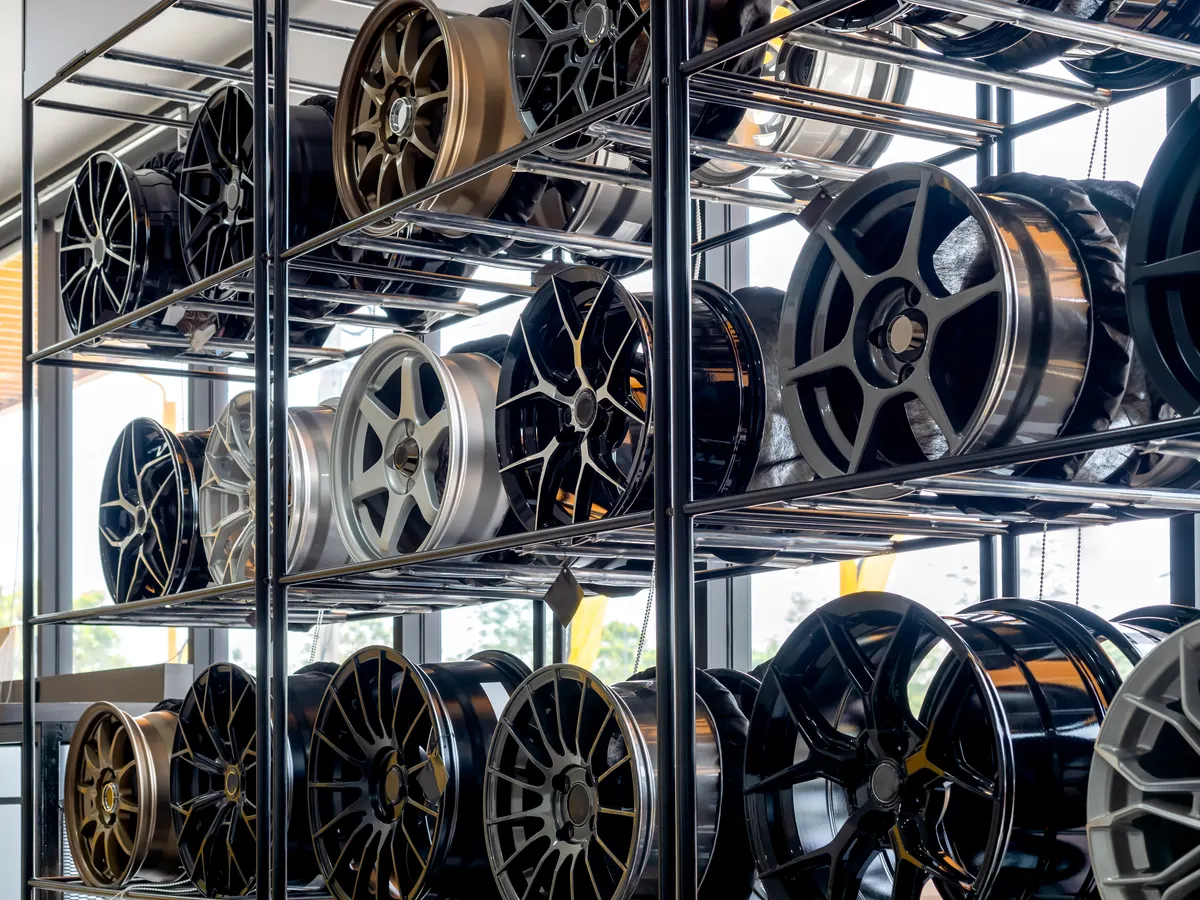
Wheel & rim marketing agency: scene of modern tyre store decoration with various designs of steel alloy wheels rim on metal shelf inside the building near huge glass window. Alloy wheel showroom shop background.

How buyers choose wheels online

A wheel store loses sales in the gap between a photograph and a fitment. The shopper has seen the wheel they want on someone else's car and has no idea whether an 18 by 9 with a plus 35 offset will clear their brakes, fill the arch or rub at full lock. A standard product page answers none of that, so they go back to the forum gallery and buy from whoever posted the picture.

We work with wheel and rim stores that already sell online: alloys, steel wheels, winter packages, mounted wheel and tire sets, lug hardware, hub rings and sensors, across original replacements and aftermarket styles. The plan starts by shopping your store as someone who knows their bolt pattern, has been told to check offset, and does not trust their own arithmetic.

Conversion is almost always the weakest number here, and mounted packages are usually the largest untapped lift in order value.

Wheel buying starts with a picture and ends with numbers. The shopper wants a look, sees it on a car like theirs, and then has to translate that into diameter, width, bolt pattern, offset and centre bore, plus whether the wheel clears the brake calipers and which lug seat it needs.

Most buyers cannot make that translation confidently, and the ones who can still want it confirmed. That is why fitment galleries matter more in this category than anywhere else in automotive. A photograph of that exact wheel, in that size and offset, on that model, with the specification written underneath, does more for the sale than any amount of description.

The second decision is what comes with the wheel. A bare wheel still needs tires fitted, sensors transferred or replaced, balancing, hub rings and the correct lug nuts, and each of those means a trip to a shop. A mounted package that arrives ready to bolt on removes all of it, which is why many buyers choose it as soon as they learn it exists.

Delivery is the last hurdle. Four wheels, or four mounted assemblies, are heavy and awkward, they suffer transit damage more often than small parts, and mounted sets usually cannot be returned once tires have been fitted. Buyers know this, so they read the return policy before they order.
Where wheel & rim stores
lose revenue

The four levers, in this niche.

Visitors

Two searches: the specification and the style

People search a size and offset, a bolt pattern with their model, a finish by name, or the wheel they saw on someone else's car. Pages that carry diameter, width, bolt pattern, offset and centre bore in text catch the specification searches. Vehicle fitment pages catch the style searches, because a shopper looking for wheels for one model wants a page that has already removed everything that will not bolt on, rather than a catalogue they have to filter themselves.

Conversion rate

Answer fitment before the shopper has to ask

Show diameter, width, bolt pattern, offset, centre bore, load rating and lug seat type on every listing, then say plainly whether the wheel fits the vehicle in the selector and what it needs to do so: hub rings, different lug nuts, sensors transferred. Photographs of the same wheel on the same model close the gap that numbers leave open. Then state the return position on mounted sets clearly, because uncertainty about that stops more orders than price ever does.

Average order

The mounted package is the whole lift

A wheel and tire set that arrives balanced, with sensors installed and the correct hardware in the box, is worth far more than four bare wheels and it removes the shop visit the customer was dreading. Hub rings, lug nuts, valve stems, sensors and locking sets belong in the fitting decision rather than as afterthoughts at checkout, because leaving one out means the car sits on stands waiting for a courier to arrive with a part.

Repeat purchases

The second set, and everything that goes on it

Wheels are not consumable, so the repeat cycle comes from the second set and from what wears. A summer wheel customer is the natural buyer of a winter package, and once they own two sets they need storage and a changeover twice a year. The tires you fitted wear on a schedule you can estimate, which makes that reorder yours to lose. Curb damage, refinishing and single replacement wheels bring people back too, and those enquiries deserve a fast reply.

What we do for
wheel & rim stores

Five channels, one plan.

Google Shopping and search

Replacement, style and winter package are three businesses

Shopping campaigns split by fitment reality first. Original replacement wheels are bought by people fixing a problem and they convert quickly. Aftermarket styles are bought by people building a look and they take longer to decide. Winter packages are seasonal and should not share a budget with either of them.

Titles carry the numbers: diameter, width, bolt pattern, offset and finish, because those are the words in the query. A wheel sold in several sizes and offsets belongs under one item_group_id with size as the variant, rather than as separate products competing for the same search.

Mounted packages need their own campaigns and landing pages, since the price is higher, the value is obvious once it is explained, and the shipping is different. Custom labels track freight class and lead time, particularly for finishes made to order. Negatives clear out used wheels, wheel repair, curb rash refinishing services and finance searches that will not convert here.

Meta and TikTok

The wheel on the car, at the size you sell

Social is where wheels are genuinely sold, because the product is visual and the audience is shopping for a look. Photographs of the wheel on the specific model, in the specific finish, at the size you stock, do more work than any other creative in this category.

We build a fitment library from customer cars, with permission, tagged by model, size and offset, then use it across ads, product pages and retargeting. It answers the buyer's real question and costs less than a studio shoot.

Retargeting follows the specification rather than the last click. Someone who viewed a size for their model sees the same wheel in another finish and the mounted package option, not a random product from the catalogue. Seasonal pushes land before the changeover, when the second set is already on people's minds, and around meets and shows where wheels are the entire conversation. Creator content works when the car is real and the fitment is stated honestly.

Merchant Center and the feed

The specification is the title, and sets of four set the rates

A wheel feed has to say what the wheel is in the title, because the search is a specification. Write brand, model, then diameter by width, bolt pattern, offset and finish. A wheel offered in eight sizes needs eight items grouped by item_group_id, each with its own MPN, rather than one listing with a size selector the feed cannot express.

Mounted packages are a different product and should be listed as one, with the tire named in the title and the description, because the price looks wrong beside a bare wheel otherwise.

Shipping is heavy, bulky and prone to damage claims. Set real rates for sets of four, note where residential delivery costs more, and keep the feed and the checkout identical. Where finishes are made to order, keep the lead time in the description and out of the delivery estimate, because an ad implying stock on a six week custom finish produces cancellations rather than sales.

SEO and AI search

A page per vehicle, and honest offset explainers

Fitment is the search, so fitment is the page. A page for each vehicle and generation, listing the sizes and offsets that fit, what rubs, what needs hub rings and which lug seat the car uses, earns traffic for years and is exactly what an AI assistant gets asked to summarise.

Size and offset explainers do the same job from the other direction. What offset actually means, how to measure a bolt pattern, why centre bore matters, whether spacers are advisable, what load rating a heavier vehicle needs. Write them plainly, including the cases where the honest answer is that the combination is a bad idea.

Product pages carry the full specification as text alongside the fitment gallery, and structured data keeps brand and mpn aligned with the feed. Keep the winter package pages live all year instead of deleting them each spring, so they hold position when the season turns and everyone searches at once.

Email and SMS

Two sets a year, and a torque reminder that matters

Email works on the two sets rhythm. A summer wheel buyer is a winter package prospect, and that reminder should arrive before the first cold week rather than during the rush. A winter buyer gets the reverse in spring, along with storage advice for the set coming off the car.

Post-purchase flows earn their place here. A mounted set needs an inspection note on delivery, torque instructions for the first drive and a re-check reminder afterwards, plus the sensor pairing steps where they apply. Those messages prevent damage claims, loose wheel incidents and a great deal of support.

After that, the tires you fitted wear out on a schedule you can estimate, which makes the replacement set the natural next order. Curb damage happens to nearly everyone eventually, so a short note about single replacement wheels and refinishing keeps you in mind for the call that would otherwise go elsewhere.

First three fixes

What the plan usually starts with for wheel & rim stores.

  1. Put the full specification and a fitment gallery on every listing

    Diameter, width, bolt pattern, offset, centre bore, load rating and lug seat, in text, with photographs of that wheel on real examples of the buyer's model. It is the fastest conversion fix available in this category.

  2. Make the mounted package the obvious choice

    Show the wheel and tire set, balanced, with sensors and hardware included, next to the bare wheel price, and explain what the customer avoids by choosing it. Order value rises and the fitting problem stops being the buyer's problem.

  3. State the return position on mounted sets before the cart

    Once tires are fitted, a set usually cannot go back. Saying so plainly, alongside strong fitment information, converts better than silence, because the buyer's real fear is being stuck with wheels that do not fit.

Questions from wheel & rim stores

Most of them, yes. The recurring questions are whether a size and offset clears the brakes, whether hub rings are needed, which lug seat the car uses and whether the wheel will rub. Those answers belong on vehicle pages and on the listing itself rather than in a support queue. The calls that remain are the unusual builds, which are worth a person's time. Answering the common ones publicly also feeds the AI assistants that get asked the same thing.

Usually yes, because the higher order value more than covers the freight and the customer avoids a shop visit, sensor work and a balancing charge. They also cut the wrong-hardware problems that follow bare wheel orders. What they need is their own campaign, their own landing page and honest shipping rates, since comparing a mounted set against a bare wheel on price alone makes it look expensive rather than complete.

It affects packaging, carrier choice and the post-purchase flow more than the ads, but it shows up in reviews, so it is a marketing problem in the end. We build an inspection step into the delivery email, tell the customer exactly what to check and photograph before signing, and make the claim process easy to find. Stores that do this quietly reduce claims and improve the reviews that later decide someone else's purchase.

Separately, with the lead time stated everywhere it appears. Made-to-order finishes should carry a custom label in the feed, a clear production time on the product page, and their own campaign so they are not judged against in-stock wheels on conversion speed. Then keep the customer informed while they wait. The cancellations in this category come from silence during production, not from the wait itself.

Whether a given size and offset fits their car, whether they need hub rings, what lug nuts an aftermarket wheel takes, whether spacers are safe, and what load rating a heavier vehicle needs. Assistants answer from pages that state those things in sentences with the vehicle named. We build vehicle fitment pages and plain explainers for offset, bolt pattern and centre bore, so the answer being quoted is one you wrote and can stand behind.

Other automotive & marine stores we work with

Send your wheel & rim store store.

The plan says which lever is leaking and what to fix first, for your store as it is today.

Store, name, email and phone. A person replies from a real inbox. Privacy

Get your free growth plan