Skip to content

RV & camper accessory marketing agency

Marketing for RV and camper accessory stores: fitment by measurement, orders that ship to a campground, and the two seasonal lists that carry the year.

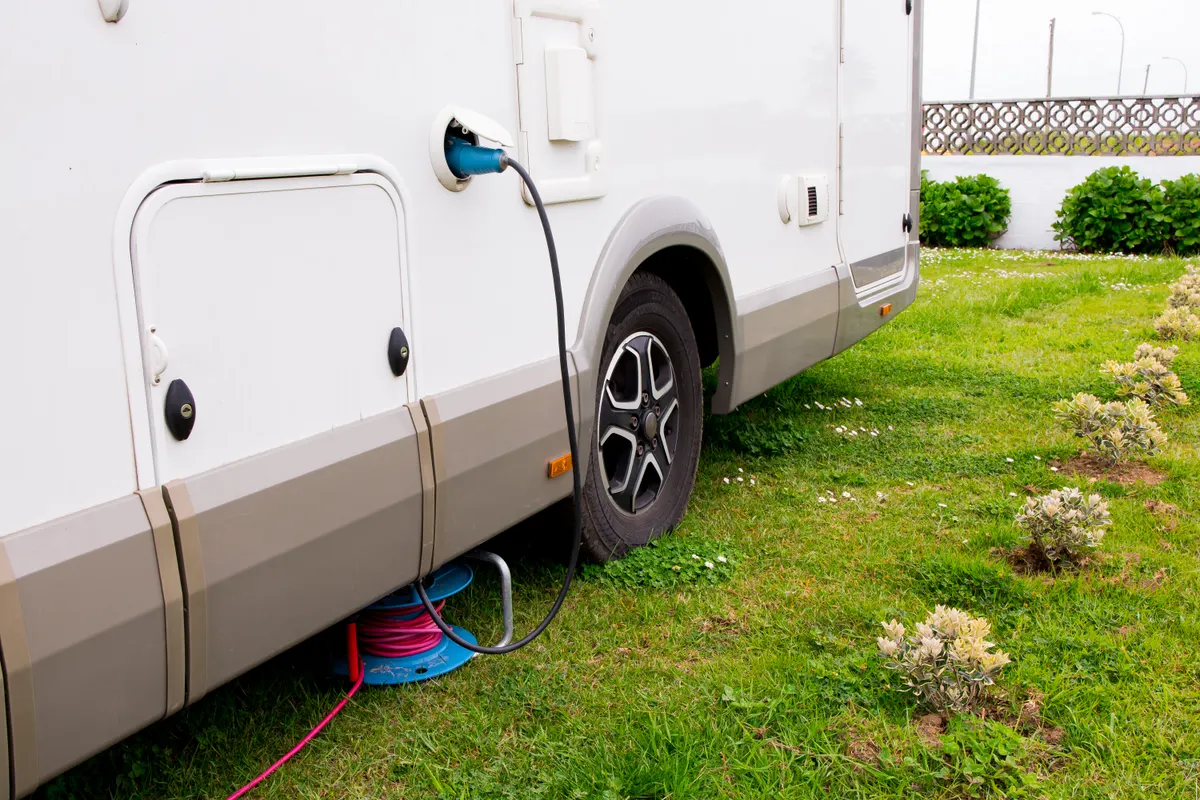
RV & camper accessory marketing agency: camper van power connection on grass with electric cable reel for outdoor use.

How RV owners buy parts and accessories

An RV accessory store sells to people who are either getting ready to travel or already stuck somewhere. Both matter and they need different pages. Fitment here is rarely a year, make and model. It is a measurement: the awning length, the roof vent opening, the mattress that is shorter than the one at home, whether the rig is on thirty amp service or fifty. A store that asks for the right measurement sells the right part.

We work with RV and camper accessory stores that already sell online: sewer and fresh water gear, electrical adapters and surge protection, awnings and covers, vents and fans, tank chemicals, levelling and towing equipment, interior fittings, and the solar and battery kit that off-grid campers buy. The plan starts by shopping your store as someone whose water pump failed two days into a trip.

Season and urgency shape everything, so the calendar matters here more than in most niches.

Two very different purchases share one store. The first is planned. A new owner or a returning traveller kits out before the season from a checklist that came from a forum, a rally or the dealer, and buys a group of items at once after a fair amount of reading.

The second is urgent. Something failed at a campground, the trip is under way, and the buyer needs the right part delivered to a place they will only be for another three nights. Delivery date and address flexibility matter more than price, and a store that can ship to a campground, a post office holding address or a mail forwarding service takes orders that other stores cannot fill at all.

Fit is answered by measurement and by system rather than by vehicle. The buyer needs the roof vent opening, the awning fabric length, the tank fitting type, the amperage of their shore power connection, and the size of a bed that is not a household size. A store that asks for those inside the buying path removes most of the returns in the category.

Underneath both is a maintenance rhythm that repeats every year: putting the rig away in autumn, waking it up and resealing in spring, and tank chemicals, filters and consumables all season long.
Where RV & camper accessory stores
lose revenue

The four levers, in this niche.

Visitors

Search follows the season and the breakdown

In autumn people search for antifreeze, covers and layup supplies. In spring they search for sealants, filters and fresh water sanitising. All season they search for the exact thing that just failed. Pages built by system and by measurement, roof vents by opening size, adapters by amperage, hoses by fitting, catch the urgent searches that convert on the spot. Rig type pages catch the planners, because a fifth wheel owner and a camper van owner want very different lists out of the same catalogue.

Conversion rate

Ask for the measurement, then promise a delivery date

Vent openings, awning lengths, tank fittings, shore power amperage and the bed size in a rig are the five questions behind most returns in this category. Put them in the filters and answer them on the product page rather than leaving the shopper to guess. Then answer the other blocking question: when will it arrive, and can it go to a campground or a holding address. For someone travelling, the delivery date is part of the specification, not a detail at checkout.

Average order

Every job needs the fittings around it

A sewer hose wants a clear elbow, a support ramp and a set of seals. A new roof fan wants a trim ring and butyl tape. A solar panel wants a controller, cable, glands and a fuse. Selling the whole job saves a traveller a second order they cannot afford to wait for, which is a stronger argument than any discount. Seasonal kits, one for putting the rig away and one for waking it up, do the same work for the planners.

Repeat purchases

Two dates a year, plus steady consumables

Tank treatments, water filters, toilet chemicals, antifreeze, roof sealant and propane accessories come back every year, and most of them cluster on the same two dates. Store the rig type and the region, then send the layup list before the first freeze and the spring list before the first trip. Full-time travellers reorder far more often and shop on delivery speed, so they belong in their own segment rather than in the weekend camper sequence.

What we do for
RV & camper accessory stores

Five channels, one plan.

Google Shopping and search

Campaigns by system, budgets by season, sizes in the title

Shopping campaigns here are built around system and season rather than brand. Sewer and fresh water, electrical and power, exterior and awnings, interior fittings, towing and levelling each carry their own margin and urgency, and each gets its own campaign so the seasonal swings stay visible instead of averaging out.

Titles need the measurement in them: the vent opening, the hose diameter, the amperage, the awning length. Those numbers get typed into the search box, and a title without them loses to a title with them every time.

Budget moves hard with the calendar. Layup supplies spike in a few weeks in autumn, sealants and sanitising kits in spring, covers at both ends of the season. We fund those windows properly and pull back in between. Negatives remove RV rentals, RVs for sale, campground bookings, repair services and park searches, which are high volume and buy nothing from a parts store.

Meta and TikTok

The annoyance, then the fix, named by rig type

Social works here through community and through use, not through product shots on white. Travel content, campground scenes, setup and teardown routines and honest fixes for the problems every owner meets are what earn attention.

Creative that performs shows the annoyance and then the solution: a sewer hose that will not stay in the drain, a slippery step in the rain, a battery flat on the second night away from power, a leak discovered after a winter under a tree. Naming the rig type sharpens it, because a camper van owner will scroll past what a fifth wheel owner needs.

Owner and camping groups are the backbone of this community and recommendations move through them quickly. Retargeting should follow the season, so the shopper who looked at covers in September sees them again before the first freeze rather than in July. Rally and show weeks are worth funding, because that is when people plan purchases in public.

Merchant Center and the feed

MPN without GTIN, measurements in the title, sizes in the rates

An RV feed carries thousands of small parts with inconsistent identifiers. Many come from specialist manufacturers with an MPN and no GTIN, so brand and MPN have to be right and identifier_exists should be false only where that is genuinely the case.

Measurement goes in the title, because the category has no attribute for a vent opening or a hose fitting. Write titles as part type, brand, then the size or rating, then the rig types it suits. Multipacks of consumables, chemicals, tissue, filters, need the multipack attribute set so a case of twelve is not compared against a single bottle.

Shipping is complicated by size and by content. Awnings, covers, mattresses and ladders are oversized, tank chemicals and sealants can carry shipping restrictions, and propane accessories have rules of their own. Set shipping groups by class with real rates and keep them identical to the checkout, because travellers watch the delivery date and the total more closely than most shoppers do.

SEO and AI search

Measurement guides, seasonal jobs, and honest safety notes

The organic wins here are measurement guides and seasonal jobs. How to find your roof vent opening, which adapter lets a thirty amp rig plug into a fifty amp post, how to winterize a fresh water system, which sealant suits which roof material, what size mattress fits a bunk. Those are exactly the questions put to AI assistants, and every one of them has a checkable answer.

We build a page per job that ends in the parts list, and a page per rig type that gathers the accessories that fit it. Product pages carry the measurement, the material and the compatible fittings as text.

Seasonal pages should be permanent and updated rather than rebuilt each autumn, so they hold position year after year. Where a job has a safety element, propane, mains electrical work, roof access, say so plainly and say when the work belongs with a technician. That honesty is what gets a page trusted and cited.

Email and SMS

Two seasonal lists and a pre-trip checklist

Email in this niche runs on a calendar every owner already keeps. The autumn sequence covers putting the rig away: antifreeze, blowout fittings, covers, tank treatment and battery storage. The spring sequence covers waking it up: sanitising the fresh water system, resealing the roof, checking tires that sat all winter, replacing filters. Those two carry more revenue than everything else you send combined.

Between them, sends follow the trip. A pre-trip checklist before long weekends, consumables at the interval they actually run out, and a note about the parts that most often fail on the road.

Segment by rig type and by how people travel. A full-timer needs supplies and fast delivery to changing addresses. A weekend camper needs the seasonal lists and the checklist. SMS earns its place on shipping updates for urgent orders, because a traveller needs to know whether a part will reach the campground before they have to leave it.

First three fixes

What the plan usually starts with for RV & camper accessory stores.

  1. Filter by measurement, not by vehicle

    Vent opening, hose fitting, awning length, shore power amperage and bed size decide fit in this category. Put them in the filters and on the page and most of the wrong-part returns disappear with them.

  2. Say plainly that you ship to campgrounds and holding addresses

    Travellers assume they cannot order to where they are. Stating the delivery options, with realistic dates, wins urgent orders at full price from people who have no other way to get the part.

  3. Build the autumn and spring lists and send them early

    One sequence for layup and one for waking the rig up, sent before the freeze and before the first trip rather than during them. These two sends carry the year for most stores in the category.

Questions from RV & camper accessory stores

Many stores can, and the ones that say so out loud take orders nobody else can fill. It means checking which carriers deliver to campgrounds and holding addresses in the regions you serve, showing realistic delivery dates rather than optimistic ones, and letting the customer enter an address that does not look like a home. We also build a short flow for urgent orders so the customer knows whether the part will arrive before they have to move on.

It goes in the title and the description, because there is no attribute for a vent opening or a hose fitting. Titles carry the part type, the brand, the size or rating and the rig types it suits, which matches how people search, since they type the measurement. On the store, the same values become filters. The stores that do this well see it in their return rate long before they see it in their ad results.

Sell the off season rather than wait it out. Layup supplies, covers and storage products come first, then upgrade projects, because winter is when people install solar, replace mattresses, rebuild interiors and plan next year's trips. Shows and rallies fall in the quiet months in many regions too. We shift budget from urgent-repair categories to projects and planning content, then move it back as the first trips approach.

Yes, because they buy differently. Full-timers reorder consumables constantly, need delivery to changing addresses, and care about durability and repairability more than price. Weekend campers buy in seasonal bursts, follow checklists and respond to the two annual sequences. We segment them at the first order, usually from what they buy and where it ships, and send them different sequences from the same catalogue.

It makes them a separate shipping problem, not an unadvertisable one. They need their own shipping group with honest rates and transit times in both the feed and the checkout, and the product page should state the delivery method before the price does its work. We keep oversized items in their own campaigns so their slower conversion and higher shipping cost do not distort the small parts that sell every day.

Other automotive & marine stores we work with

Send your RV & camper accessory store store.

The plan says which lever is leaking and what to fix first, for your store as it is today.

Store, name, email and phone. A person replies from a real inbox. Privacy

Get your free growth plan