Skip to content

Truck accessory marketing agency

Marketing for truck accessory stores selling covers, liners, steps and lift kits online: cab and bed fitment, freight quoted up front, staged outfitting.

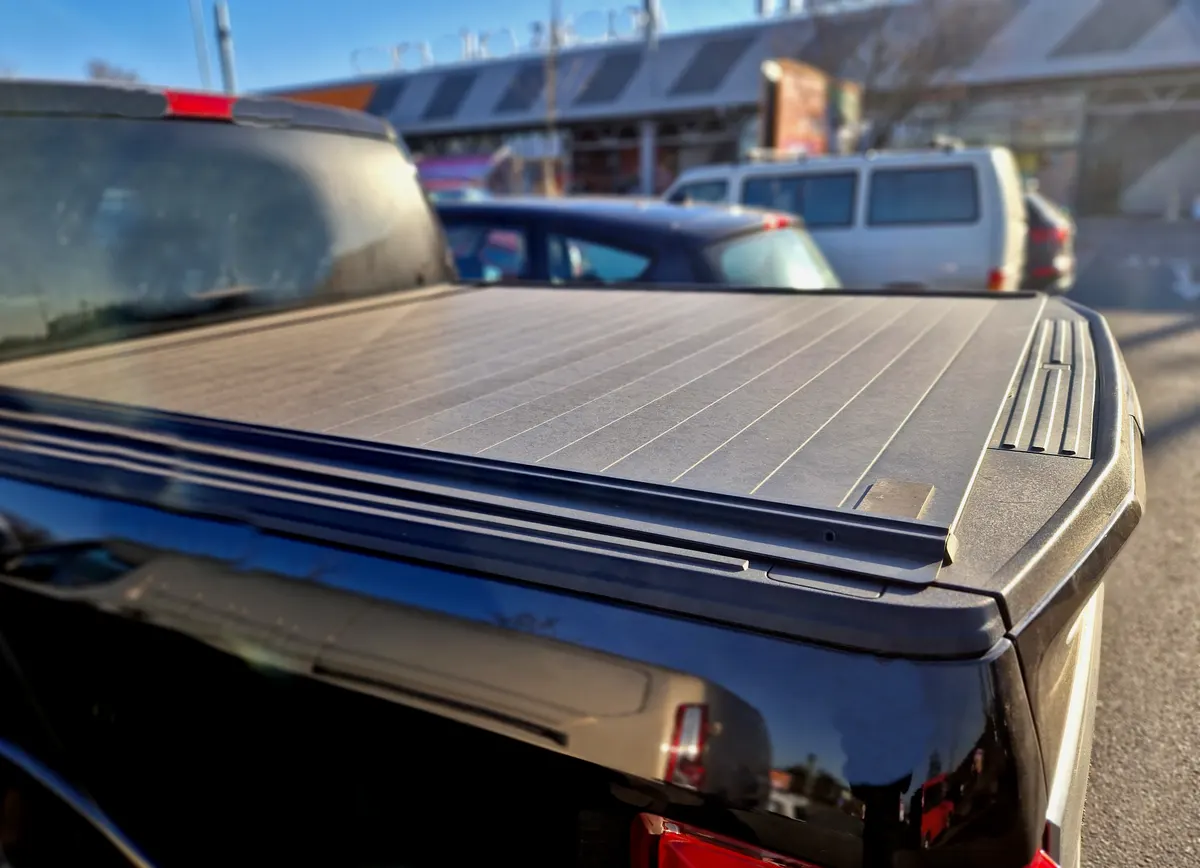
Truck accessory marketing agency: cover with tail gate locking system designed to fit all standard vehicle security accessory offering a quick and easy way to safely lock away your load.

How pickup owners buy accessories online

A truck accessory store sells to an owner who bought the truck for a purpose and now wants it set up for that purpose: towing, hauling, hunting, work or looks. The catch is that a tonneau cover, a set of running boards or a bed liner fits one cab and bed configuration of one generation of one model, and a product page that does not ask about the cab and the bed length is guessing.

We work with truck accessory stores that already sell online: covers, liners, steps, lift and levelling kits, hitches, toolboxes, floor liners, lighting and bumpers, usually across the half-ton and heavy-duty pickups that make up most of the market. The plan starts by shopping your store as an owner with a crew cab and a short bed does. Does the cover page ask for bed length before it shows a price? Does it say whether the cover works with the factory rail system or a spray-in liner? Does the freight cost appear on the page or as a surprise at checkout?

The weakest lever in this niche is often conversion on freight items, and the biggest opportunity is order value, because a truck gets outfitted in stages and the store can shape the stages.

A truck owner shops with a configuration in their head, not just a model. Crew cab, 5.5 foot bed, the generation that started three model years ago, with or without the factory bed rail system, with or without a spray-in liner. Every accessory decision runs through that list, and the first thing they check on a product page is whether the listing matches it.

The search usually begins with the accessory type and the truck: 'hard folding tonneau cover 2021 F-150 5.5 bed'. Owners also ask AI assistants whether a cover will work with a bed extender or a fifth-wheel hitch, and they read owner forums where people post what they fitted and what they regretted. By the time they land on your store they have a shortlist and a set of doubts.

The doubts are practical. Does it ship by freight and how long does that take. Do I have to drill. Will it leak. What happens if I sell the truck. Answering those on the page converts better than a discount does.

Outfitting happens in stages. The cover comes first, the bed mat and tailgate seal soon after, then steps, floor liners, a levelling kit and lighting over the first year or two of ownership. The store that sold the first item and stayed in touch sells the rest.

Where truck accessory stores
lose revenue

The four levers, in this niche.

What we do for
truck accessory stores

Five channels, one plan.

Google Shopping and search

One campaign per accessory type, product groups per configuration

Shopping ads for truck accessories are structured around product type first and truck configuration second. Tonneau covers, bed liners, steps, lift kits and hitches each get their own campaign because they carry different margins, different freight costs and different conversion speeds. Inside each, the search terms that include a bed length, a cab type or a model year get their own product groups with titles that answer them.

Freight items need landing pages that state the delivery method before the price, because a shopper who clicks a Shopping ad expecting parcel delivery and finds a freight surcharge leaves. We keep the covers and bumpers separate from parcel-sized items like tailgate seals and mud flaps so the budgets do not mix.

Brand terms cover the accessory brands you are authorised to sell, within whatever advertising rules those brands set. Negative keywords remove rental trucks, toy trucks, trucks for sale, fleet leasing and towing services, which all generate clicks and no orders. Seasonal budgets rise for covers in spring, for floor liners and lighting in autumn, and for hitches ahead of towing season.

Meta and TikTok

The truck doing its job, with the accessory in the frame

Truck owners are lifestyle buyers, which makes social the channel where cold prospecting works in this niche. Creative that shows the truck doing its job, hauling, towing, at the trailhead or at the job site, with the accessory visible as part of the setup, gets attention from the owners who buy. Product-on-white shots of a cover do not.

We build video around installs and around the moments an owner recognises: closing a hard folding cover in the rain, dropping a toolbox into the bed, stepping up on a running board with a child in arms. Short install clips also answer the drilling and fitment doubts that stop the sale. Retargeting follows the owner from the configuration they browsed to the accessories that fit it.

Meta groups organised around a single truck model are where owners ask what to buy. A presence there comes from owners who bought and posted, not from ads in the feed. Timing matters: hunting season, towing season and the weeks after new model deliveries are when creative for the matching accessories gets its best response.

Merchant Center and the feed

Titles that carry cab and bed, and freight groups that match the checkout

Merchant Center approves a truck accessory feed easily and serves it badly if the titles say only the product name. We write titles as product type, brand, model, generation years, cab and bed length, so a search that includes those terms matches the exact variant. A cover made in four bed lengths for two cab types is grouped under one item_group_id with bed length as the variant, not listed as eight unrelated products.

Most accessories carry an MPN from the brand and many carry a GTIN, and both go in the feed with the brand field set to the manufacturer, never the store. Price parity with the brand's minimum advertised price is checked, because a feed price below MAP can cost you the dealer relationship.

Shipping is where truck feeds get throttled. A cover ships by freight, a tailgate seal ships by parcel, and one flat rate in Merchant Center for both produces mismatch warnings. We set shipping groups by product class with real freight rates by region, and mark items that need a delivery appointment so the promise on the ad matches the promise at checkout.

SEO and AI search

Generation pages and the compatibility questions owners ask assistants

The organic and AI search opportunity in truck accessories is the question an owner asks before buying: will this cover work with my bed rail system, can I use a tonneau cover with a fifth-wheel hitch, does a levelling kit affect the factory warranty, what bed length is my truck. Pages that answer those in full sentences, with the truck configuration named, are the ones assistants cite and owners click.

We build collection pages by truck model and generation, each opening with a short answer about what fits that generation and what changed from the last one, then listing the accessories by type. Product pages carry a fitment statement, the compatibility notes for rails and liners, install time and whether drilling is required, all as plain text.

Comparison content stays within your own range: a soft roll-up against a hard folding cover against a retractable, in your store, with the trade-offs an owner cares about. That content earns links from forums and answers the question owners type into assistants, and every version links to the products that fit the reader's truck.

Email and SMS

A staged outfitting plan, sent one accessory at a time

Email for a truck accessory store is a staged outfitting plan sent one item at a time. A cover purchase triggers install tips, then a bed mat and tailgate seal offer, then, months later, the next logical item for the season: floor liners before winter, a hitch before summer towing, lighting before hunting season. The truck configuration from the order filters every send so the owner only ever sees parts that fit.

Freight orders need their own flow. A delivery appointment reminder, a what-to-check-on-arrival note about freight damage, and an install guide the day it lands reduce support tickets and returns. SMS is reserved for that freight scheduling and for back-in-stock on the configuration the owner asked about.

A new-truck sequence starts when the order shows a current model year. Those owners are at the beginning of the outfitting cycle and are worth a longer, slower series that walks through the first year of ownership. Seasonal broadcasts follow the calendar the owner already lives by, not a promotion schedule.

First three fixes

What the plan usually starts with for truck accessory stores.

  1. Ask for cab and bed length before showing a cover price

    A configuration selector on the cover, liner and step collections, with year, model, cab and bed length, filters the page and stores the truck. It removes the guess that produces most wrong-fit returns and most abandoned carts on freight items.

  2. Quote freight on the product page, not at checkout

    Show the delivery method, the estimated transit time and the freight cost by region on every item that ships on a pallet. Owners accept freight when they see it coming. They abandon when it appears as a surprise line at the last step.

  3. Start a new-truck sequence from the first accessory order

    Use the model year in the order to identify recent buyers and send them a slow, staged series through the first year of ownership. It is the highest-value repeat-purchase flow in the niche and most stores do not have one.

Questions from truck accessory stores

It raises the cost of a wrong click and the cost of a surprise. We keep freight items in their own campaigns with landing pages that state the delivery method and cost up front, and we build the delivery appointment and damage-check steps into the post-purchase flow. Conversion on freight items improves when the shopper knows the process before they pay, and returns fall when they inspect the pallet on arrival.

No. Narrow fitment means specific searches, and specific searches convert. A campaign built around one model's generation years, cab types and bed lengths reaches every owner searching with those terms and wastes nothing on owners of other trucks. The plan sizes the budget to the search volume for that model rather than assuming a broad campaign.

Yes, through a trade account with quote requests, volume pricing and repeat ordering of the same configuration. Fleet buyers want the same fitment certainty as owners, plus an invoice and a delivery window. We build that path in the store and keep it out of the consumer campaigns so it does not confuse either audience.

We treat the new generation as its own set of pages, feed titles and campaigns from the day the fitment data is available, and we keep the old generation live because owners of those trucks do not disappear. The collection page for the model opens with a note about what changed, which is exactly what owners and AI assistants are asking at that point.

The accessory type with the truck attached: model, year, cab and bed length, often with a qualifier like factory rails or spray-in liner. They also ask assistants and forums whether a product will need drilling, will leak, or will interfere with a hitch. The store that answers those questions in its titles and page text captures the search and the sale.

Other automotive & marine stores we work with

Send your truck accessory store store.

The plan says which lever is leaking and what to fix first, for your store as it is today.

Store, name, email and phone. A person replies from a real inbox. Privacy

Get your free growth plan